Can You Really Change the World Starting With One Choice?
The world feels broken, but what if the solution isn’t out there—it’s within you? Every thought, every reaction, every choice shapes…

 The proportion of deaths attributable to diabetes in the US is as high as 12 percent—three times higher than estimates based on death certificates suggest—a new analysis shows.
 A new study with worms may help explain how diseases like Alzheimer’s and Parkinson’s spread in the brain. Sometimes when neurons dispose of toxic waste, neighboring cells get sick.
 We all know and hear a lot about postnatal depression, but what about depression and anxiety during pregnancy?
 Under emotional distress, the brain may signal the adrenal glands to produce chemicals called corticosteroids. Cancer-related processes are accelerated in the presence of these chemicals. Certain cancers have also been associated with distressing life events.
 Recent reports that cancer rates in UK women are set to rise six times faster than in men over the next two decades will have alarmed many.
 How’s your back? About a quarter of Australia’s population experience a back pain episode at any point in time, and nearly all of us (around 85%) will have at least one lifetime experience with back pain.

As the baby boomer generation begins to age, the prevalence of both eye and ear disease will rise exponentially, as there is a strong correlation between vision loss, hearing loss and ageing.
 Many of us do things we wish we would not do. We may compulsively eat sugary or fatty things, drink too much alcohol, become a zombie in front of the TV, or whatever. We may judge ourselves as “weak” or “lacking in willpower”, because of this. Maybe we...
 Pleasure and pain are always coming and going, fluctuating to and fro, sometimes only five minutes apart, doing “their thing” to this flesh-and-bone vehicle, inspiring all kinds of crazy thoughts in our thinking organ—the brain.
 New research reveals a new, menopause-specific indicator of heart disease risk—and suggests possible ways to reduce it.
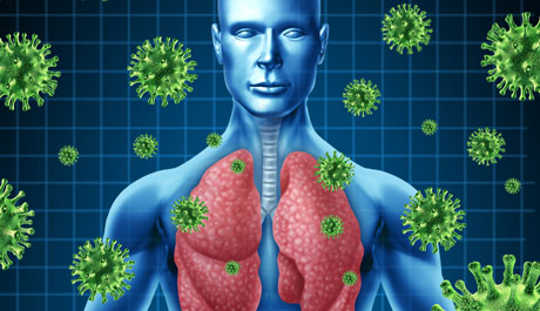 Many infectious diseases are one and done—people get sick once and then they are protected from another bout of the same illness.
 It is common for individuals with autism to have a more intense reaction to stress, and some of these patients seem to experience frequent constipation, abdominal pain, or other gastrointestinal issues...
 The anxiety many men experience after being diagnosed with prostate cancer may lead them to choose potentially unnecessary treatment options, researchers report.
 Scientists have discovered that a chemical compound—and potential new drug—reduces the spread of melanoma cells by up to 90 percent.
 To make the most of your energy, look to nature as your guide. For example, for a plant to survive long term, it requires strong roots–ones that pull in nutrients and water from its environment and give it the strength to carry on.
 Currently there is not a single test that can reliably and objectively diagnose concussions, but new research suggests measuring the brain’s response to sound could take the guesswork out of the diagnosis.
 Women with breast cancer cite “chemo-brain” as a substantial problem after chemotherapy for as long as six months after treatment, research shows.
 A tool that analyzes the expression patterns of four genes might help doctors predict if prostate cancer will reoccur following surgery.
 A new study confirms that sense of smell declines sharply in the early stages of Alzheimer’s, which suggests a sniff test might be a helpful diagnostic tool.
 Scientists are studying a small group of older adults with excellent memories called “supernormals” to determine their risk for Alzheimer’s.
 Scientists have used a wireless “brain-spinal interface” to bypass spinal cord injuries in a pair of rhesus macaques, restoring intentional walking movement to a temporarily paralyzed leg.

A centuries-old herbal medicine, discovered by Chinese scientists and used to effectively treat malaria, may help treat tuberculosis and slow the evolution of drug resistance.
 Older adults are less inclined to take risks, but this behavior may be linked to changes in brain anatomy rather than age, new research shows.