
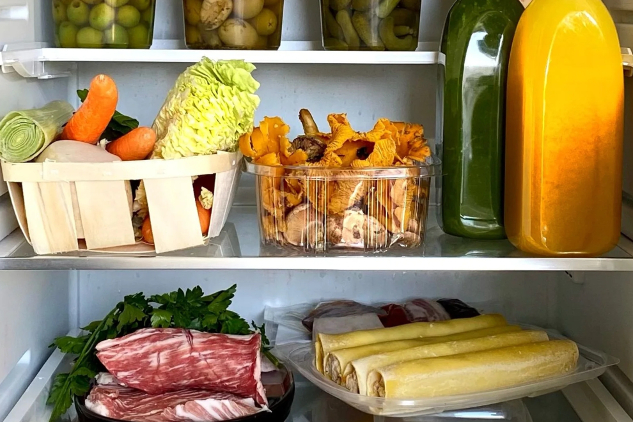
Most people don’t realize their fridge storage habits may be shortening the life of their food and even risking food safety. From eggs and berries to herbs and leftovers, small mistakes can make a big difference. This article reveals the top fridge storage errors you might be making and shows you simple ways to keep your food fresh, safe, and delicious longer.
In This Article
- Why fridge storage habits matter for food safety and health
- The most common fridge storage mistakes people make
- How bad storage habits shorten freshness and waste money
- Simple ways to correct fridge storage for better results
- How mindful food care reflects mindful living
10 Fridge Storage Mistakes That Could Be Harming Your Food Safety
by Beth McDaniel, InnerSelf.comOpen the door of your refrigerator and you’ll find a miniature ecosystem, one that lives and breathes at a chilly 40 degrees Fahrenheit or less. Every item in there interacts with the others, and every shelf tells a story of your habits. When food is misplaced or left too long, it quietly spoils, losing both flavor and safety. Yet this isn’t just about science, it’s about how we care for ourselves and our loved ones through small, daily choices.
Think of your fridge as a partner in your well-being. It safeguards your health when used wisely, but it can just as easily betray you if neglected. It’s more than an appliance, it’s a silent witness to how you honor nourishment and respect the earth’s gifts. When we understand how food thrives best in cold storage, we also begin to treat our bodies and our homes with more mindfulness.
The Psychology Behind Kitchen Habits
Why do we store food the way we do? Sometimes it’s convenience, we toss milk in the door because it’s easy to grab. Other times it’s habit, learned from parents who had their own storage quirks. Rarely do we stop to ask: is this the safest or most effective way?
Our kitchen choices reflect more than practicality, they mirror our relationship with abundance, waste, and care. Do you find yourself keeping leftovers long past their prime because you hate to waste food? Do you shove vegetables in the crisper drawer only to forget them until they wilt? Each of these patterns says something about how we balance responsibility and awareness in daily life.

The Top 10 Fridge Storage Mistakes
Let’s walk through some of the most common mistakes people make when storing food in the refrigerator. You may recognize your own habits here, and that recognition is the first step toward change.
One mistake is placing raw meats on upper shelves. This creates the risk of juices dripping onto ready-to-eat foods below, leading to cross-contamination. Meats belong at the very bottom, sealed and contained.
Another error is keeping milk and dairy in the door. Though convenient, the door is the warmest spot in the fridge, and fluctuating temperatures can shorten freshness. Dairy products deserve the middle shelves, where the temperature is steady.
Fresh herbs often get neglected, tossed loosely into drawers where they wilt within days. Wrapped in a damp paper towel and placed in a loosely sealed bag, they can last a week or more. Eggs too, though often stored in the door’s built-in racks, last longer and stay safer in the fridge’s interior.
Leftovers are another blind spot. Without labels or dates, we rely on memory and guesswork, an unreliable system. A simple marker noting the date can prevent both waste and risk.
And then there’s the common practice of overstuffing the fridge. While it might feel like abundance, overcrowding blocks air circulation and forces the motor to work harder, raising temperatures and quickening spoilage. A crowded fridge is not a healthier fridge.
The Hidden Impact on Health and Finances
These mistakes don’t just change the flavor of your food, they carry real costs. Spoiled food is wasted money, and in a time when grocery bills stretch wallets, that waste adds up. Beyond finances, poor fridge habits also invite bacteria to thrive. Foodborne illnesses are not abstract risks; they happen in ordinary homes to ordinary families, often when someone eats leftovers that looked fine but weren’t safe.
Imagine opening your fridge and seeing not just shelves of food, but stacks of dollar bills, because that’s what each item represents. When lettuce wilts or strawberries mold too soon, it’s not just nutrition lost, it’s money in the trash. That realization alone can inspire us to store food with greater care.
Practical Storage Solutions
How can you shift from careless habits to mindful storage? Start with temperature. Keep your fridge set at or below 40°F (4°C) and your freezer at 0°F (-18°C). Use a thermometer to be sure, digital displays can lie.
Next, think in layers. Ready-to-eat foods belong on upper shelves, dairy in the middle, raw meats on the bottom, and produce in drawers. Keep leftovers visible, “out of sight, out of mind” is a fast track to waste. Label containers with dates so you know what’s still safe to eat.
Don’t overlook the door. Reserve it for condiments, juices, and items that tolerate slight temperature swings. Milk, eggs, or other perishables don’t belong there if you want them to last.
Finally, give your fridge breathing space. Air needs to circulate freely, so resist the urge to cram every inch. A clean, spacious fridge is not just safer, it feels calmer and more inviting.
Food Care as Self-Care
When you treat your food well, you treat yourself well. It’s a form of everyday mindfulness, an act of quiet respect. Storing food with care isn’t about being fussy, it’s about being present. Each time you take an extra moment to seal leftovers properly or rinse and dry produce before storing, you affirm the value of your health and the resources you’ve been given.
This mindful attention extends beyond the fridge. It reflects how we approach life itself. Do we rush, clutter, and neglect, or do we pause, organize, and honor what sustains us? Your refrigerator becomes a metaphor for your inner world, a place where order and care create peace of mind.
The Bigger Picture: From Kitchen to Community
Fridge storage might seem like a small, private matter, but it ripples outward. When we waste less food, we lessen the burden on landfills and reduce methane emissions. When we buy only what we can store well, we make wiser use of the earth’s resources. And when we keep food safe, we protect not just our families, but everyone who shares meals with us.
Every bite we save through better storage is a quiet act of stewardship. It says: I care about my health, my household, and the planet we share. Imagine if millions of households made these shifts, what a difference it would make in both food waste and public health.
Bringing It All Together
Your fridge is more than a box that keeps food cold. It’s a reflection of your values, a stage where daily choices play out. With awareness and care, those choices can turn ordinary routines into extraordinary acts of mindfulness and empowerment. You don’t need perfection, you just need the willingness to pause and choose wisely.
So the next time you place a carton of eggs or a bunch of herbs inside, take a breath. Ask yourself: am I honoring this food, and in doing so, am I honoring myself? That simple question can transform not just how you store food, but how you live.
And isn’t that what we’re really after, a life where even the smallest details carry meaning, connection, and care?
About the Author
Beth McDaniel is a staff writer for InnerSelf.com
Recommended Books
The Omnivore’s Dilemma: A Natural History of Four Meals
Michael Pollan’s classic takes readers on a journey through the modern food chain, questioning how our choices affect health, environment, and society. A must-read for those interested in conscious eating and mindful living.
https://www.amazon.com/exec/obidos/ASIN/0143038583/?tag=innerselfcom
Waste: Uncovering the Global Food Scandal
Tristram Stuart examines the shocking amount of food wasted globally and offers insight into how we can all reduce waste in our daily lives. It connects personal habits to global impact in a compelling way.
https://www.amazon.com/exec/obidos/ASIN/0141036346/?tag=innerselfcom
An Everlasting Meal: Cooking with Economy and Grace
Tamar Adler writes beautifully about food, turning leftovers and simple ingredients into meals full of joy and meaning. Her approach aligns perfectly with the spirit of mindful storage and mindful living.
https://www.amazon.com/exec/obidos/ASIN/1439181888/?tag=innerselfcom
Article Recap
Fridge storage mistakes often go unnoticed, yet they affect both food safety and freshness. By shifting habits, placing foods wisely, maintaining proper temperatures, and practicing mindful care, you protect your health, reduce waste, and save money. More than that, you cultivate a daily ritual of awareness, turning food care into self-care and connecting your kitchen habits with a deeper sense of mindful living.
#fridgestorage #foodsafety #foodtips #freshfood #kitchenhacks #healthyhome #mindfulliving #innerselfcom