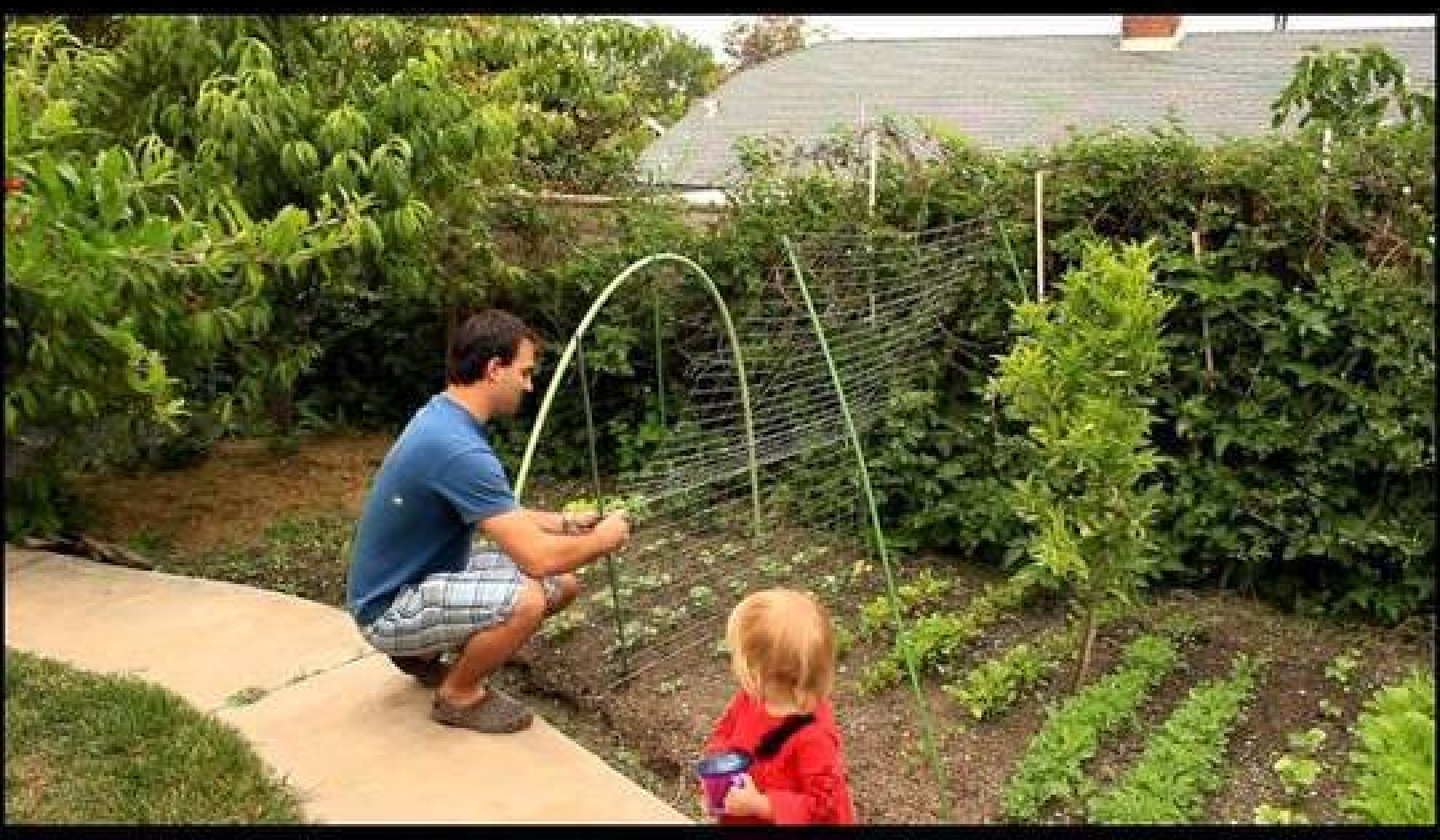

What if the most radical act of hope was right outside your front door? Picture this: instead of grass lawns demanding endless mowing and watering, your yard overflows with tomatoes blushing in the sun, butterflies circling tall zinnias, and children plucking strawberries on their way to school. This isn’t just about gardening, it’s about freedom, healing, and rewriting the story of our neighborhoods. And yet, for millions, this dream is illegal.
In This Article
- Why grass lawns became the norm, and the hidden costs we rarely see
- How front yard gardens nurture food, beauty, and resilience
- The struggle between homeowners and laws that ban vegetable gardens
- Stories of courage: ordinary people facing fines for growing food
- How the “Right to Garden” movement is reshaping our future
Why Front Yard Gardens Beat Grass: Food, Beauty, and Freedom
by Beth McDaniel, InnerSelf.comAn Invention of Control
Step back in time to the manicured estates of European aristocrats, where lawns were first a symbol of wealth. Grass was useless for food, but it shouted affluence, “I don’t need this land to survive.” Fast forward to post–World War II America, and the suburban lawn became a mass-produced symbol of success. It promised conformity, neatness, and the illusion of prosperity.
But here’s the truth: lawns are thirsty, chemically dependent, and barren of life. They drink billions of gallons of water each year, soak up pesticides, and offer nothing edible in return. And still, we’ve been taught to worship them.
The Hidden Costs of Grass
You already know the sound: the drone of the mower every Saturday, the scent of gasoline and cut grass lingering in the air. What’s harder to notice is the cost. Lawns demand fertilizer that poisons waterways. They guzzle water while rivers run dry.
They release emissions from endless mowing. And perhaps worst of all, they whisper the same tired story: that beauty is uniform, predictable, and sterile. Isn’t it time we asked more from the ground beneath our feet?

The Joy of Front Yard Gardens
Now imagine instead walking through a neighborhood where every house blooms with its own personality. Cucumbers twining up fences, sunflowers standing tall like sentinels, herbs spilling fragrance into the air. A front yard garden feeds the body and the spirit, but it does something more subtle too, it wakes up the senses. The hum of bees replaces the buzz of the mower. The colors shift from uniform green to a living quilt of reds, yellows, and purples. Even the air feels different, tinged with basil and mint instead of gasoline and fertilizer.
A front yard garden transforms strangers into neighbors. It draws people into conversation, because who can walk past without pausing to admire those heirloom tomatoes or ask for a tip on growing peppers? It becomes a point of connection in a world where so many of us feel isolated behind screens and closed doors. Suddenly, the front yard is not just a patch of land, it’s an invitation, a welcome mat written in flowers and food.
Children, too, are captivated. They kneel to watch a ladybug climb a bean stalk, or pluck strawberries still warm from the sun. These small moments spark curiosity that no packaged snack can replace. A garden becomes a teacher, whispering lessons about patience, cycles, and gratitude. Long after the season ends, the memory lingers, food is not just bought, it is nurtured, tended, and shared.
And perhaps most importantly, a garden gives back, season after season, something a lawn never can: nourishment. Not just the nourishment of tomatoes and kale, but the nourishment of belonging, of pride, of a quiet sense that you are part of something bigger. A single yard may seem small, but multiplied across a community, front yard gardens weave together a tapestry of abundance. They remind us that beauty can also be practical, and that survival can also be joyful.
But Wait, Isn’t It Illegal?
Here’s the heartbreak: in many communities, yes. Homeowner associations and city ordinances have waged war against vegetables. A woman in Miami Shores, Florida, faced fines of $50 a day for her front yard garden.
Others have been told to rip out kale and replace it with grass. These stories aren’t rare, they’re symptoms of outdated laws that value appearance over sustenance.
Think about that: growing food on your own land is treated as rebellion. And in a way, it is, a rebellion against waste, against conformity, against fear of difference.
The Right to Garden Movement
Thankfully, resistance is sprouting. States like Florida and Illinois have passed “Right to Garden” laws, affirming that front yards are not just decorative, they are sovereign plots of survival. Activists are pushing other states to follow.
The movement isn’t just about vegetables. It’s about shifting the cultural script from consuming to creating, from lawns to life. Each victory reminds us: freedom is not only a political concept, it’s a seed planted, watered, and shared with neighbors.
Stories of Everyday Bravery
I think of one Michigan family who planted squash and beans in their front yard, only to face zoning threats. Neighbors rallied, newspapers covered it, and suddenly it wasn’t just about beans, it was about dignity. Or the grandmother in Orlando who turned her yard into a pollinator paradise with milkweed and basil, only to be told she was in violation of HOA rules.
She refused to back down, because for her, it wasn’t a yard, it was a living classroom for her grandchildren. These stories echo everywhere: ordinary people saying, “No. My yard is my freedom.”
Gardens as Resistance to Climate Chaos
Beyond beauty and food, front yard gardens are survival tools in a warming world. They cool neighborhoods, capture carbon, and reduce reliance on industrial agriculture. Imagine if every lawn in America were transformed, how many pollinators would return, how much food insecurity would ease, how much joy would spread like sunlight. The fight for front yard gardens is a fight for resilience in a fragile time. And resilience, unlike grass, grows roots deep and strong.
But maybe the most overlooked benefit is emotional. When you kneel in the soil, when your hands are stained with tomato juice, when you share zucchini with a neighbor, you feel alive. Front yard gardens remind us we belong to the earth and to each other. They break down the fences of isolation, one seed at a time. Isn’t that what we’re truly starving for? Not just calories, but connection. Not just green lawns, but green hearts.
Changing Laws, Changing Minds
So what can we do? Pressure lawmakers. Attend city meetings. Challenge HOA rules. Educate neighbors about the benefits. Frame the story not as rebellion, but as renewal. Lawns are a relic of a past obsessed with image. Gardens are the future, a future of abundance, community, and dignity. The laws will follow where hearts lead, but only if enough of us start planting now.
Here’s the truth: front yard gardens aren’t just about food. They are about rewriting the narrative of who we are. They are a declaration that life matters more than image, that community matters more than conformity, and that healing begins with what we grow. Maybe your neighbors will raise eyebrows. Maybe your city will send a warning. But every seed you plant is an act of courage. Every tomato is a vote for freedom. And every bloom says to the world: we are alive, we are connected, and we will not waste this soil on silence.
So the next time you look at your lawn, ask yourself: Is this patch of grass serving you, or could it serve life? The choice, as always, begins with you.
About the Author
Beth McDaniel is a staff writer for InnerSelf.com
Recommended Books
Food Not Lawns: How to Turn Your Yard into a Garden
Food Not Lawns combines practical wisdom on ecological design and community-building with a fresh, green perspective on an age-old subject. Activist and urban gardener Heather Flores shares her nine-step permaculture design to help farmsteaders and city dwellers alike build fertile soil, promote biodiversity, and increase natural habitat in their own "paradise gardens."
The Edible Front Yard: The Mow-Less, Grow-More Plan
A creative guide for turning front yards into edible landscapes, blending design and function to create spaces that are both beautiful and nourishing.
Edible Landscaping: Now You Can Have Your Gorgeous Garden and Eat It Too!
Creasy's expertise on edibles and how to incorporate them in beautifully designed outdoor environments was first showcased in the original edition of Edible Landscaping, hailed by gardeners everywhere as a groundbreaking classic.
Article Recap
Front yard gardens are more than landscaping choices, they are declarations of freedom, food, and community. Unlike grass lawns, which drain resources and return little, vegetable gardens offer nourishment and resilience. By challenging outdated laws and embracing the right to garden, we can transform wasted space into vibrant life. The future of our neighborhoods, and our planet, may depend on what we choose to grow right outside our doors.
#FrontYardGardens #VegetableGardens #SustainableLiving #RightToGarden #FoodFreedom #EcoFriendly #BanTheGrass #HOALaws #ClimateSolutions