You step into the crisp dark of October and feel it at once. Lanterns glow. Costumes whisper. Doorbells turn into drums. Halloween did not appear fully formed on a suburban porch. It wandered to us across centuries of firelit harvests, saints days, immigrant kitchens, and neighborhood truce making. If you have ever wondered how it all stitched together, this is your candle to carry through the story.
In This Article
- How harvest festivals shaped early customs of protection and gratitude
- Why All Hallows and old folkways blended into a single autumn night
- How trick or treat grew from mischief to a neighborhood peace pact
- Why pumpkins and lanterns trace back to immigrant traditions
- Ways to honor history while keeping Halloween kind and mindful
A Gentle History Of Halloween
by Beth McDaniel, InnerSelf.comClose your eyes for a heartbeat and imagine a hill at dusk. The fields are cut, the air smells like cold apples and smoke, and people gather near a bonfire to mark the thin time between seasons. You can hear laughter, a little fear, and a lot of relief that the harvest is in.
Halloween begins in moments like these, where you and your neighbors stand in a circle and say we made it. From there, the story winds through chapels and city blocks, across oceans and into front yards, always reshaping itself to fit the people who carry it. When you hold a bowl of candy on your porch, you are holding more than sweets. You are holding a thread that stretches through centuries.
Roots In Fire And Harvest
Before the porch lights and plastic spiders, there were fires at the edge of fields. People marked the end of the growing season with light because light says we are safe, we can see each other, we belong. The old year felt like it was dying, and winter felt like a deep breath you had to take together. So communities gathered and made noise to push back the dark. They dressed in odd ways to confuse whatever wandered on nights when the boundary between worlds felt thinner than usual. They carried embers home to relight their hearths. They shared food not because it was fancy but because it was necessary and kind.
You know this feeling even if you have never named it. The first time you step into true autumn, you feel the urge to take stock. You tidy, you put up, you say soft prayers that the cold months will be gentle. A festival at the tipping point is not superstition so much as an emotional technology. It gives your nerves a way to exhale. It says change is coming and we will face it together. In that spirit, early customs mixed practical caution with symbolic play. Masks hid you from mischief. Songs and jokes broke the tension. House to house visits stitched neighbors into a fabric tough enough to hold through winter.

When you picture those early nights, let them be human sized. There is fire, bread, a sleeve against your cheek, the warm weight of a child leaning into your side. There is a gate left open so whoever needs warmth can step in. There is also a little thrill, because the mind loves stories that say the world is wider than the eye can see. Halloween was born as a balancing act between fear and comfort, night and hearth, endings and what comes after.
Saints Spirits And All Hallows
Centuries roll on, and the church calendar lays fresh paths across old roads. The night before a day for all saints becomes a vigil, a time to keep watch and remember the good that walked among us. Communities keep many of their seasonal habits because people rarely tear out the roots of a tradition that keeps them steady. Instead, they graft. Candles still burn. Bells still ring. Costumes keep their place because dressing differently lets you step out of the year’s tight roles and breathe. The newest parts of the tradition give you language for gratitude and remembrance. The oldest parts give you permission to laugh in the dark.
What does this blending feel like up close. Imagine a village where you stop at a chapel to light a candle for your grandmother and then step outside to find children giggling behind painted masks. You carry both moments in one body. You are solemn and playful, tender and noisy. This is the heart of Halloween as it moves through history. It holds the living and the dead in the same evening, not as a horror but as a reminder that love threads the two together. The customs become a neighborhood language for that reminder. You light a lantern so memory can find the door. You share a small sweet so children will remember generosity as part of the season.
When holidays travel, they change. Merchants set out treats. Towns call for safe fun. Families invent rituals that fit their kitchens. A saint’s vigil and an old harvest sendoff braid into one night. If that sounds messy, it is the kind of mess that makes culture. Your family recipe did not start with you; it moved through many hands and picked up spices along the way. Halloween is the same. It is a stew that tastes like place, season, and the people who stir it.
From Mischief To Doorbells
Now picture a crowded neighborhood at the start of the twentieth century. Kids already love playing tricks when the leaves fall because the dark comes early and rules loosen. Adults love order because windows are expensive and nerves are thin after long workdays. Communities invent a truce. If children promise to keep their tricks small, adults will meet them at the door with small gifts. A bargain is struck. You might call it a social technology. It turns potential mischief into a parade of tiny meetings, eye to eye at the threshold. The doorbell becomes the drumbeat of peace.
Trick or treat arrives as a way to manage energy. Children want to be silly and bold. Parents want safety and sleep. The door to door ritual satisfies both. There is structure and freedom. There is also a chance for adults to remember the playfulness they packed away. A costume gives everyone a little permission to try on courage. The smallest monsters get to practice saying please and thank you. The older ones get to practice being gentle giants when they pass a bowl to a tiny bumblebee who can barely hold it.
As neighborhoods grow, candy becomes the simplest common language. You do not need to know someone’s story to drop a wrapped sweet into their bag with a smile. For a few hours, the street agrees to be a tiny village again. Your porch is a harbor light. Your candy bowl is an invitation to brief belonging. You can feel it in the way people linger and in the soft wave as they turn down the walk. The ritual still keeps mischief in bounds, but it also keeps loneliness in bounds. One night a year, we all knock on each other’s doors without an appointment and say we share this place.
Pumpkins Lanterns And Immigrant Hands
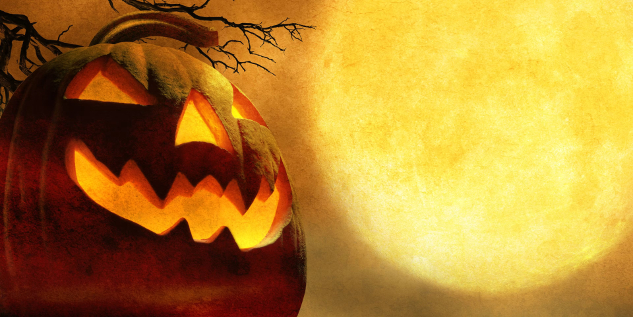
Every tradition needs a symbol you can hold. The carved lantern is that symbol for Halloween, and like so many American symbols, it is an immigrant’s story. People who knew how to carve faces into sturdy root vegetables found a new canvas in pumpkins, which glow like small suns when hollowed and lit. The first time you put a candle inside a pumpkin, you understand why the lantern stuck. The light is warm, a little flickery, and very alive. It turns a quiet doorstep into a beacon.
Lanterns do double duty. They are cheerful and a touch eerie. Their smiles are crooked on purpose. They say to the night we see you and we are not afraid. They also make a path for wanderers, whether that wanderer is a neighbor child dressed as a bat or a memory you have not visited in a while. When you carve one, you are participating in a conversation that crossed the ocean in calloused hands. You are honoring craft and play at the same time. You are also creating a small ritual of transformation. A heavy fruit becomes a face; a dark porch becomes a welcome.
Costumes have a similar arc. The first costumes were practical as much as anything. If the world felt thin at the edges, a mask protected you by scrambling your outline. Over time, costumes became a chance to try on a possibility. You become a pirate or a nurse or a cloud. You step into a story you do not usually get to tell. This is part of the emotional wisdom of Halloween. It lets you rehearse courage under a different name. It lets children experiment with power while staying tethered to home. And it lets adults soften the armor they wear the rest of the year.
Making Meaning In A Modern Night
What do you do with all this history on your porch tonight. You treat it like a gift, not a museum label. You ask yourself what your household needs. Do you crave connection. Sit outside with your bowl a little longer and compliment every costume. Do you need a gentler rhythm. Light a single lantern, keep the decorations simple, and give yourself a curfew that honors your sleep. Both choices are faithful to the spirit of the season because the spirit of the season is care for the living while remembering the dead.
If you love ritual, let it be kind and uncomplicated. Before the first doorbell, step into the yard and name the people and seasons you are grateful for. After the last doorbell, leave your lantern lit for a few minutes more as a quiet thank you for safe passage through another turn of the year. If you face grief, set a small plate at the table with a favorite food that once made someone you love smile. You are not summoning. You are honoring. Memory is a way of keeping warmth in circulation.
Parents, here is a small suggestion that carries the old wisdom forward. Teach your kids the language of the threshold. The door is where we practice being neighbors. A clear please and thank you, a gentle pace on and off the steps, a quick wave to the person behind you. These are tiny stitches that keep a community from fraying. Teens can help by taking the late shift on the sidewalk, guiding littles with flashlights and easy jokes. Everyone gets to belong when everyone gets a role.
If you live where trick or treat is quiet or absent, you can still keep the heart of Halloween alive. Invite two friends for a pot of soup and a lantern on the table. Share one story about the year that is closing and one hope for the winter ahead. That is the same conversation people have had beside fields and under steeples for hundreds of years. The costumes and candies are adornments. The core is simple. We are together at the edge of change, and we will carry each other forward.
As for fear, give it a friendly seat but not the head of the table. A spooky story reminds us that life has shadows. A lantern reminds us we are not alone in them. If a child wants to be truly scary this year, teach them to check the faces of smaller kids nearby and adjust. Power that can throttle down is power you can trust. That is a lesson worth learning on a night when masks are everywhere.
And you, standing there with the bowl, are part of the history now. In a few decades, someone will remember the way your porch smelled like leaves and cinnamon, the sound of your laugh, the shape of your lantern’s grin. They will not remember the price of candy or the pageantry of a costume as much as they will remember the kindness of the exchange. That is how holidays live. They hop from heart to heart like candlelight, one steady hand passing to another.
So take a breath on this bright dark night. Listen for the small drums of doorbells up and down the block. Feel the old harvest rhythm in your chest, the one that says we made it through and we are heading into winter together. Light your lantern. Hold your bowl. Smile at the next costume. You are walking an ancient path in very modern shoes, and every step is part of the story.
About the Author
Beth McDaniel is a staff writer for InnerSelf.com
Recommended Books
Halloween: From Pagan Ritual To Party Night
A lively history that traces autumn festivals, church observances, immigrant traditions, and modern neighborhood customs into the celebration we share today.
Article Recap
Halloween carries harvest roots and all hallows remembrance into a modern neighborhood ritual. From lanterns to doorbells, its history blends folk customs and immigrant creativity with a simple purpose. Share light, practice kindness, and make community while the year turns.
#Halloween #Samhain #Traditions