Can You Really Change the World Starting With One Choice?
The world feels broken, but what if the solution isn’t out there—it’s within you? Every thought, every reaction, every choice shapes…

 Do you ever feel unworthy to receive good things in your life? It’s not an easy question to answer. Some of you are in touch with your feelings of not deserving. Some of you are not. I dare say that feelings of unworthiness are present in most of us...
 Physically wanting to strike out or viewing other people, things, or situations as enemies isn’t going to get you where you want to go. In fact, it could land you up in prison or equally worse, locked up in an emotional prison of being alone forever...
 Many people who are striving to be tolerant and loving and kind suppress their own personal power because they mistakenly perceive the energy of personal power to be anger.
 Often in my readings I was simply validating the suspicions, insights, or intuitions that they already had about themselves and the changes they needed to make in their lives. Sometimes these readings ignited an inner physical and spiritual healing process.
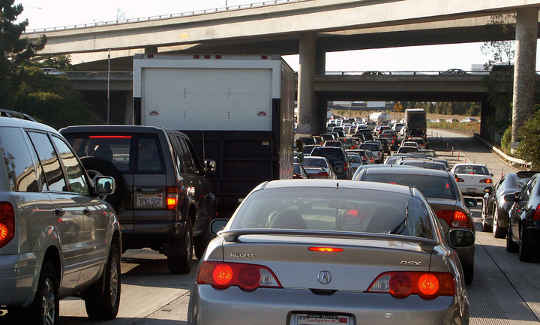 Society pays a heavy price for traffic. It leads to lost time, more pollution and increased spending on gasoline. But there may be yet another hidden cost of traffic.
 Feeling deep gratitude is wonderfully addictive; the more we do it, the more we want to do it, and so we begin looking even more deeply to reflect on things for which we’re grateful. I first learned about the amazing power of gratitude during a time when my financial situation was quite bleak...

No mother, no parent, can prepare for the tormented experience of the death of a child let alone begin to heal, even slightly, without help. Like many children born to fill a void in a family, I grew into a chubby, anxious little girl, with my desire to please not only my mother but also everyone.
 Believing is as automatic as walking or talking or sneezing, and about as noteworthy. Deprived of our-ists and -isms, would we behave differently than we do now? Who would we be without our beliefs?
 Mainstream media tend to report more stories about illicit drugs than alcohol. This is despite one study finding 47% of homicides in Australia over a six-year period were alcohol-related.
 Internet trolls, by definition, are disruptive, combative, and often unpleasant with their offensive or provocative online posts designed to disturb and upset.
 A new study shows that some people have a mild but consistent set of tendencies to take the quicker and simpler path when thinking about logical challenges, the people around them, the societies they live in, and even spirituality.
 The penchant for human beings to discover how unalike they are, how distinct they are - it all has to do with ego. Where we need to put the energy now is in how similar we are...
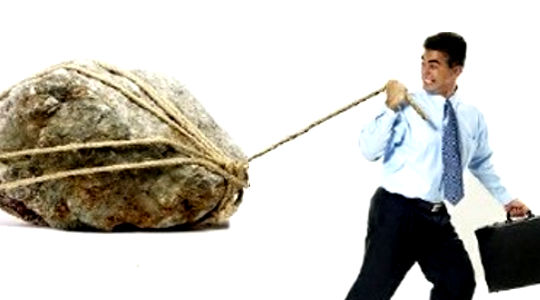 Often, we just can’t forgive. Although we may want to completely let it go, the debate in our minds and the emotion tied to the event are too strong, especially when the offense has occurred repeatedly over a long period of time.
 By the age of six, girls become less likely than boys to associate brilliance with their own gender and are more likely to avoid anything they think may require it.
 Have you ever wondered why you were prone to bouts of moodiness or why you were always so easy going? Turns out personality could be linked to brain shape, according to new research.
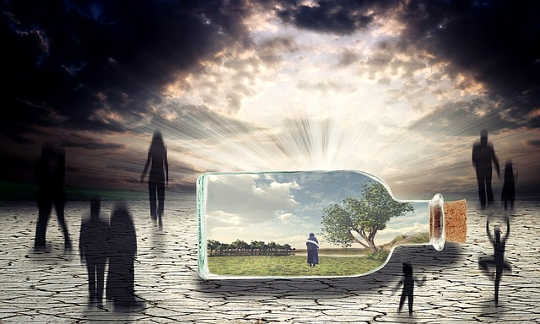 The most dominant destructive attitude of the twelve possible core attitudes is that our attention is in the past or future. This attitude is related to the emotion of fear.

Consider slogans such as “Make America great again”, used by Donald Trump, or “Take back control”, used by the Brexit campaign. Both slogans were the perfect pitch to mobilize what are called collective narcissists.
 In his book The Power of Now, Eckhart Tolle writes that people have only three options when they are presented with a situation that is intolerable: they can change the situation, walk away from it, or accept it.
 Drinking to forget may make the fearful memories associated with post-traumatic stress disorder worse, not better, experiments with mice suggest.
 How many times have you had a good idea only to keep it to yourself for fear of looking like a crackpot? Well, this fear of appealing foolish is crippling. Worrying what other people think squelches our joy, our fun, and all those good ideas our planet needs.
 Many public conversations we have about science-related issues involve communicating risks: describing them, comparing them and trying to inspire action to avoid or mitigate them.
 The election divided the year into “before” and “after.” But there remain signs of hope for 2017.
 A very common example of the ubiquitous nature of the critic is the phenomenon of “imposter syndrome” — the feeling that you don’t deserve to be where you are in life. It’s estimated that 70 percent of people have imposter syndrome.