In This Article
- What do brain scans reveal about optimistic thinkers?
- Why do optimists process future events more consistently?
- How does brain activity differ between optimists and pessimists?
- Can shared brain patterns explain emotional resilience?
- What does this mean for depression, empathy, and therapy?
How Optimists Process the Future for Happiness
by Beth McDaniel, InnerSelf.comClose your eyes for a moment and imagine something lovely waiting for you next month. Maybe it’s a long-awaited visit from a friend, the smell of fresh-cut grass at the edge of summer, or even just a moment of peace on your porch. That little flicker of anticipation? It turns out, it’s lighting up a very specific part of your brain—one that looks surprisingly similar in people who tend to lean toward optimism.
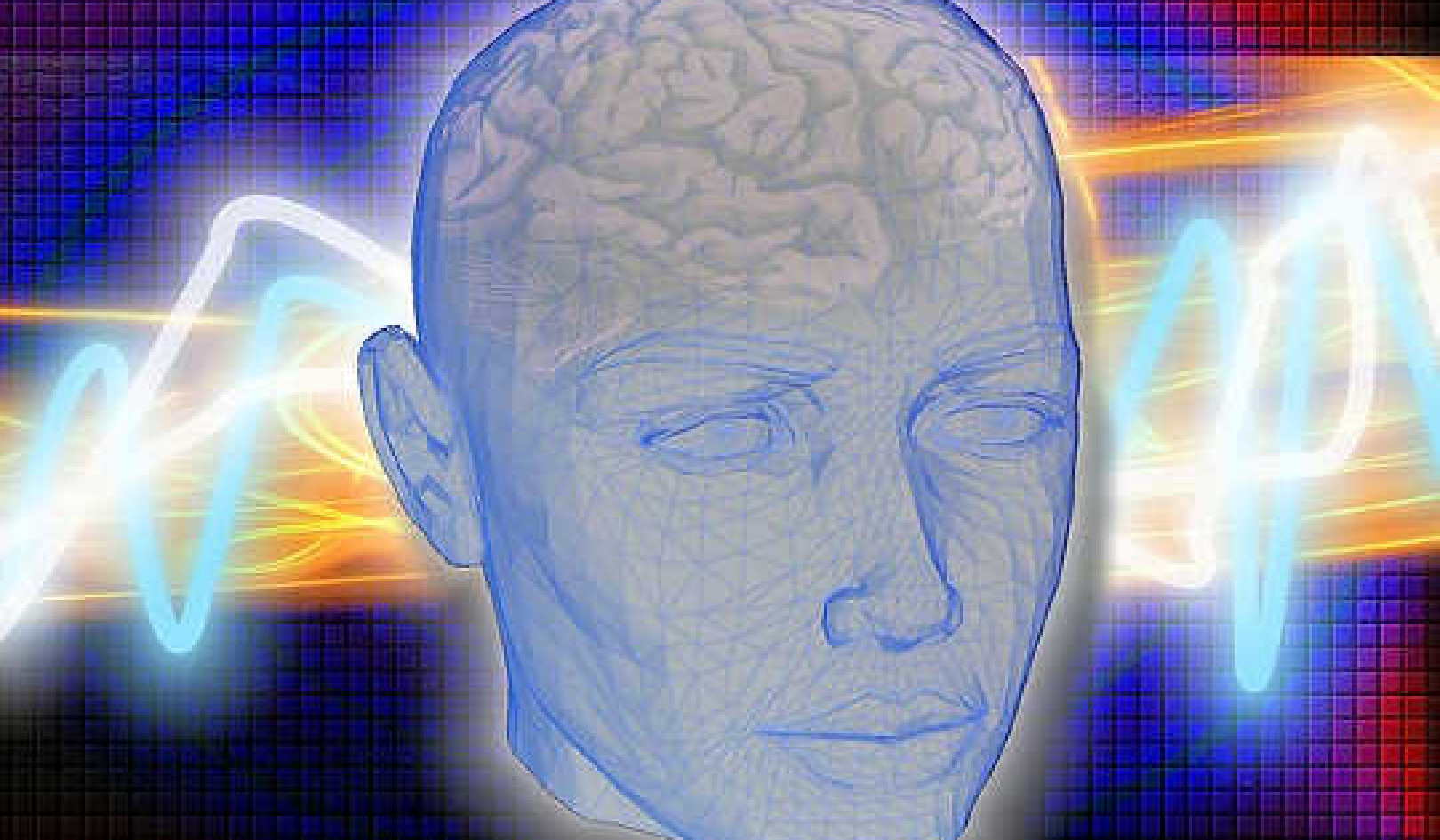
In a new study using functional MRI scans, researchers observed that optimistic individuals displayed consistent patterns of activity in their medial prefrontal cortex (MPFC) when imagining future events. That means their brains weren’t just positive—they were remarkably aligned. As if they were quietly humming the same inner tune when picturing tomorrow.
What Is the Medial Prefrontal Cortex?
The medial prefrontal cortex sits like a wise counselor near the front of your brain. It’s responsible for integrating emotion, memory, and future thinking. It helps you imagine what might happen and decide how to feel about it. It’s the internal narrator that not only weaves your personal story, but shapes the tone of what’s to come.
In the study, when participants imagined events—positive, neutral, or negative—optimists' MPFCs lit up in similar ways. It was almost like their brains spoke a common language of hope. Meanwhile, pessimists' brains behaved differently: their MPFC activity was far more unique and scattered, like each person was watching their own chaotic weather report.
Emotions Are Filtered
One of the most intriguing findings? Optimists don’t necessarily turn every negative into a silver lining. Instead, they seem to process negative events with a certain distance—viewing them as less personal, less defining. It’s not denial. It’s perspective. They maintain emotional clarity by not letting every bump in the road feel like a sinkhole.

Imagine standing in the rain. A pessimist might feel every drop, weighed down by the wet and cold. An optimist, on the other hand, might simply step under a tree, knowing the clouds will eventually pass. That difference in perception shows up in their brains: clearer emotional boundaries, smoother cognitive transitions, less stormy internal skies.
Loneliness, Empathy, and Optimism
There’s another layer to this that reaches beyond the individual. Shared neural patterns among optimists may help explain why they often experience deeper connections with others. If you're mentally “tuned in” to how someone else views the world, it becomes easier to empathize, to bond, to feel less alone.
This may offer a powerful insight into why loneliness isn’t just about being physically isolated—it’s about not feeling understood. Optimists, by aligning with others neurologically, might naturally foster connection. And for those who struggle with depression or disconnection, that’s more than a warm idea. It’s a call for new ways to build shared emotional language.
The Anna Karenina Brain Principle
The researchers noted something poetic: Tolstoy’s line, “All happy families are alike; each unhappy family is unhappy in its own way,” may also apply to the brain. Optimists—like those happy families—show neural similarity. Pessimists? Their mental responses are varied and unpredictable. In other words, emotional suffering has many faces. But emotional well-being often has common roots.
This makes sense. While trauma can shape each of us uniquely, healing and resilience may follow more universal pathways. Recognizing those paths could help us guide more people toward emotional safety, even if they begin from very different places.
Can We Learn Optimism?
Here’s the hopeful twist: brain patterns aren’t destiny. They're habits. And habits can change. Practices like mindfulness, cognitive reframing, and gratitude journaling all have documented effects on how the brain processes emotion. So while you may not be wired for optimism by birth, your brain is listening—and it can learn a new tune.
Start small. Notice the way you talk to yourself about the future. Pay attention to whether your inner voice anticipates beauty or disaster. Ask yourself gently: is this worry helpful, or just a well-worn groove in my thinking? Then try imagining a different outcome. One where things go right. One where you’re safe. One where you're enough.
The more often you offer your brain these visions, the more familiar and accessible they become. Eventually, your MPFC may start to light up in new ways—not from pretending everything’s okay, but from practicing a future where okay is possible.
Mental Health Solutions
These insights from brain imaging offer more than scientific intrigue. They hint at how we might better support those grappling with depression, anxiety, or disconnection. If mental health struggles involve erratic, isolating brain patterns, then healing might involve gently syncing our thoughts with more stable, connected ones.
This could reshape therapy—not just as a place to unravel the past, but as a training ground for imagining futures that feel livable. It suggests that what we visualize matters. And that sharing stories, building community, and practicing hope are not luxuries—they're neurological necessities.
So if you’ve ever felt adrift in a sea of mental fog, know this: the brain is not static. You are not broken. You are becoming. And even now, you might be rewiring yourself toward a future that looks a little brighter—one quiet thought at a time.
Because sometimes, being “on the same wavelength” isn’t just a figure of speech. It’s the start of healing.
Recommended Book
 The Happiness Hypothesis: Finding Modern Truth in Ancient Wisdom
Discover timeless wisdom through modern science in The Happiness Hypothesis by Jonathan Haidt, bestselling author of The Anxious Generation.In this insightful and accessible book, Haidt explores ten enduring philosophical truths from across world civilizations—testing each against the lens of contemporary psychology and neuroscience.
From the Golden Rule to the resilience behind adversity, The Happiness Hypothesis offers practical guidance and deep reflection on what truly leads to human flourishing in today’s complex world.
For more info and/or to order this book, click here. Available as either hardcover, paperback, audio book, or a Kindle edition.
About the Author
Beth McDaniel is a staff writer for InnerSelf.com

Books Improving Attitude and Behavior from Amazon's Best Sellers list
"Atomic Habits: An Easy & Proven Way to Build Good Habits & Break Bad Ones"
by James Clear
In this book, James Clear presents a comprehensive guide to building good habits and breaking bad ones. The book includes practical advice and strategies for creating lasting behavior change, based on the latest research in psychology and neuroscience.
Click for more info or to order
"Unf*ck Your Brain: Using Science to Get Over Anxiety, Depression, Anger, Freak-Outs, and Triggers"
by Faith G. Harper, PhD, LPC-S, ACS, ACN
In this book, Dr. Faith Harper offers a guide to understanding and managing common emotional and behavioral issues, including anxiety, depression, and anger. The book includes information on the science behind these issues, as well as practical advice and exercises for coping and healing.
Click for more info or to order
"The Power of Habit: Why We Do What We Do in Life and Business"
by Charles Duhigg
In this book, Charles Duhigg explores the science of habit formation and how habits impact our lives, both personally and professionally. The book includes stories of individuals and organizations who have successfully changed their habits, as well as practical advice for creating lasting behavior change.
Click for more info or to order
"Tiny Habits: The Small Changes That Change Everything"
by BJ Fogg
In this book, BJ Fogg presents a guide to creating lasting behavior change through small, incremental habits. The book includes practical advice and strategies for identifying and implementing tiny habits that can lead to big changes over time.
Click for more info or to order
"The 5 AM Club: Own Your Morning, Elevate Your Life"
by Robin Sharma
In this book, Robin Sharma presents a guide to maximizing your productivity and potential by starting your day early. The book includes practical advice and strategies for creating a morning routine that supports your goals and values, as well as inspiring stories of individuals who have transformed their lives through early rising.
Click for more info or to order
Article Recap
Optimistic individuals share consistent brain activity in the medial prefrontal cortex when imagining the future. This shared neurological pattern may explain how they maintain emotional clarity, forge strong social bonds, and display resilience. Unlike pessimists, who show scattered brain responses, optimists process emotions with perspective—offering clues for improving mental health and promoting well-being through intentional thought patterns.
#OptimisticBrain #SharedBrainPatterns #NeuroscienceOfOptimism #MentalHealthResearch #PositiveThinkingScience #FutureThinking #BrainImaging #OptimismStudy