
The above video was inspired by this article. Visit our YouTube channel for additional empowering videos. And please subscribe. Thank you!
In This Article:
- What defines a fatal personality flaw—and how to recognize one
- Why kindness and boundaries must go hand in hand
- Nine principles for navigating destructive relationship patterns
- The role of genetics, trauma, and environment in shaping personality
- Hope for healing—even when the journey takes decades
Finding Peace with Those Who Have Personality Flaws
 by Jude Bijou, M.A., M.F.T., author of the book: Attitude Reconstruction
Some relationships are just plain hard. No matter how much love, understanding, or support we offer, certain people seem to live in a world where connection, honesty, and mutual respect don’t register the same way. It’s frustrating, heartbreaking, and often, downright confusing. If you’ve ever tried to love someone who seems stuck in destructive behavior, you’re not alone. And you’re not powerless.
A resource I often suggest to clients navigating such relationships is a profound book called Fatal Flaws: Navigating Destructive Relationships with People with Disorders of Personality and Character, by psychiatrist Dr. Stuart Yudofsky. If you are struggling with a fatal flaw family member, work mate, etc. this book is a worthy investment in your relationship and personal well-being.
A couple I worked with recently found it incredibly helpful as they struggled to maintain connection and boundaries with their adult son. With their permission, I will share the essence of their journey here—not to diagnose anyone, but to shine a light on what can feel like an emotional fog.
When Love Isn't Enough: Seeing the Signs Clearly
At the heart of it, personality and character flaws stem from brain-based distortions in how people think, feel, and relate to others. Narcissistic and borderline traits are two of the better-known patterns, but there’s a wide range of behaviors that fall under this umbrella—none of which are subtle.
These aren’t quirks or bad moods. They are persistent ways of interacting that can wreak havoc: lying, manipulation, irresponsibility, emotional outbursts, or a chilling lack of empathy. Financial distress, betrayal, emotional exhaustion—it’s all part of the fallout.
To understand someone who may live with these patterns, it helps to consider what’s missing. Imagine someone who is deficient in qualities like empathy, responsibility, honesty, and kindness. Not just once in a while, but consistently. Then add poor impulse control, fear of abandonment, and an inability to reflect on their behavior. It’s a cocktail that can drain the most loving heart.

Still, we must remember: that while these behaviors are not excuses, they do have causes. Genetics, life experiences, and spiritual disconnection all play a role. And understanding these roots can help us let go of blame and focus on what we can do—namely, protect ourselves, speak our truth, and remain grounded in kindness.
What Is Personality?
According to Dr. C. Robert Cloninger, “The origins of personality are a combination of inheritance (genetics) and environmental influences (life experience). What constitutes personality is best understood by looking at specific personality traits or persistent patterns of how a person perceives and relates to oneself, one’s environment, and other people.”
Specific Personality Traits:
- sensitivity,
- integrity
- empathy
- conscientiousness
- responsibility
- reliability
- purposefulness
- honesty
- generosity
- kindness
- respectfulness
- humility
By placing “deficient in” before each of these personality traits, you can begin to get a picture of the problems associated with people with fatal flaws of personality and character.
Note that people with fatal flaws of personality and character will have significant problems with several, but not all of these personality traits.
Nine Principles for Navigating Difficult Relationships
Here are nine truths drawn from the book Fatal Flaws and enriched by the couple’s hard-won wisdom. These may help you bring more clarity, calm, and compassion into your interactions with someone who has deep personality struggles:
1. Respect the Human Behind the Disorder
No matter how disruptive their behavior, each person is more than their diagnosis. Shaming, attacking, or diminishing them only adds fuel to their emotional fire. Treating them with kindness and dignity sets a tone of respect—even if it’s never returned.
2. Boundaries Are Love in Action
Protecting yourself is not cruel—it’s necessary. Saying “no,” setting limits, and following through on consequences are essential acts of self-care. They also provide the structure the other person may desperately need, even if they resist it fiercely.
3. Know What You're Dealing With
These disorders often have recognizable patterns: impulsiveness, blame-shifting, disregard for others' feelings, or emotional outbursts. Once you see these signs for what they are—not as personal attacks—you can stop trying to fix or rescue. You can begin to accept what is and respond wisely.
4. Don’t Be Fooled by the Charm
Yes, many people with personality disorders are intelligent, funny, talented, and compelling. That’s part of the confusion. Early interactions may feel magical. But over time, the shine fades, and the deeper dysfunction reveals itself. When this happens, believe what you see—not what you wish for.
5. Self-Centeredness Isn’t Just a Trait—It’s a Trap
Trying to reason with someone who cannot or will not see another’s point of view is futile. Arguments go in circles, empathy is absent, and compromise is rare. Accepting this truth allows you to disengage from power struggles and take care of yourself.
6. It's Not Your Fault
The roots of these disorders are complex. Genetics, trauma, poor role models, unmet spiritual needs—there’s no single cause. And no, it’s not something you did. Let go of self-blame. It only keeps you stuck.
7. Many Won’t Ever Acknowledge the Problem
This is one of the hardest pills to swallow. If the person you love refuses help, denies responsibility, and projects all their issues onto others, change may never come. You can’t heal someone who doesn’t want to be healed. But you can change how you respond—and that can change everything.
8. Healing Is Possible—With Willingness
For those who recognize their behavior and commit to change, there is hope. With evidence-based treatment and a willingness to grow, healing can happen. But it’s their journey—not yours to force.
9. Get Support for Yourself
Whether you stay in the relationship or step away, professional help can give you clarity, emotional tools, and peace of mind. Therapy can help you break old patterns, understand your vulnerabilities, and reclaim your power. You don’t have to do it alone.
The Light at the End of the Tunnel
The wife who shared her family's journey with me recently reread her notes and had an epiphany. Her son—after three decades of pain, hope, and hard work—has found healing. Through medication, behavior retraining, and a profound spiritual shift, he now embodies the very traits that once seemed so out of reach: empathy, kindness, honesty, and purpose. Not perfectly, but consistently. “We are so grateful,” she told me. “This 30+ year journey has transformed us all.”
There’s the lesson. Transformation is possible—but it begins with clear eyes and a compassionate heart. Whether the other person changes or not, you can find freedom, peace, and even love by letting go of unrealistic expectations and choosing what’s true for you. That’s not giving up. That’s growing up. And it just might change everything.
©2025 by Jude Bijou, M.A., M.F.T.
All Rights Reserved.
Book by this Author: Attitude Reconstruction
Attitude Reconstruction: A Blueprint for Building a Better Life
by Jude Bijou, M.A., M.F.T.
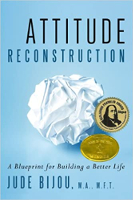 With practical tools and real-life examples, this book can help you stop settling for sadness, anger, and fear, and infuse your life with joy, love, and peace.
Jude Bijou's comprehensive blueprint will teach you to: cope with family members' unsolicited advice, cure indecision with your intuition, deal with fear by expressing it physically, create closeness by truly talking and listening, improve your social life, increase staff morale in just five minutes a day, handle sarcasm by visualizing it flying by, carve out more time for yourself by clarifying your priorities, ask for a raise and get it, stop fighting via two easy steps, cure kids' tantrums constructively. You can integrate Attitude Reconstruction into your daily routine, regardless of your spiritual path, cultural background, age, or education.
For more info and/or to order this book, click here. Also available as a Kindle edition.
About the Author
Jude Bijou is a licensed marriage and family therapist (MFT), an educator in Santa Barbara, California and the author of Attitude Reconstruction: A Blueprint for Building a Better Life.
In 1982, Jude launched a private psychotherapy practice and started working with individuals, couples, and groups. She also began teaching communication courses through Santa Barbara City College Adult Education.
Visit her website at AttitudeReconstruction.com/
Article Recap:
Many of us have struggled to love someone with a deep personality flaw. This article offers clarity and compassionate strategies for dealing with challenging relationships. It reminds us that transformation is possible—but protecting your peace is essential, even if the other person never changes.
#toxicrelationships #personalitydisorders #mentalhealth #emotionalboundaries #healingjourney #innerselfcom
Finding Peace with Those Who Have Personality Flaws by Jude Bijou. Ever love someone who constantly drains your energy or pushes your limits? This heartfelt piece helps you set boundaries without shutting down compassion. #innerselfcom Click to find out how to protect your peace and still love with clarity.