


Can You Really Change the World Starting With One Choice?
The world feels broken, but what if the solution isn’t out there—it’s within you? Every thought, every reaction, every choice shapes…


Consider these two questions: What percentage of Americans are, or have been, infected with the coronavirus?

Price transparency is the wrong goal for the free-market health care structure we have in the U.S. Instead, consumers need to know not so much the price, but the costs of things.
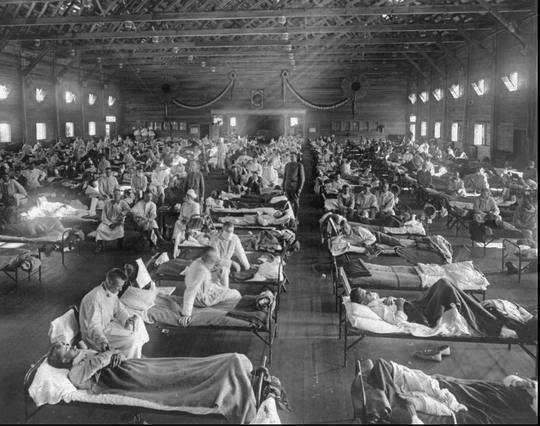
2018 marked the 100th anniversary of the great influenza pandemic of 1918. Between 50 and 100 million people are thought to have died, representing as much as 5 percent of the world’s population. Half a billion people were infected.

A potential crisis simmers in the shadows: The global dependence on China for the production of pharmaceuticals and medical equipment.

No one should have to beg for money to get the healthcare they need in the richest country on Earth.

Make no mistake, how we pay for healthcare in the US is broken for many individuals and for many communities. Like a tire with a slow leak, without immediate repair, the outlook for the largest industry in the US economy is bleak.
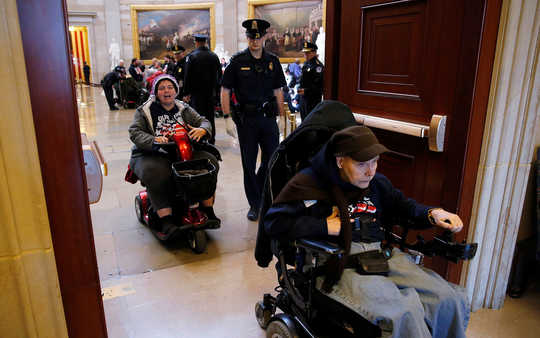
Trump wants to destroy Medicaid while claiming to save it. This fiendish scheme is an Orwellian fable conjured up by the most shameless pack of liars to ever occupy our government.

Across the political spectrum, there is near consensus among these economists that a single-payer system would save money.

Partisan wrangling over health reform has perhaps been the most acrimonious issue in Americans politics, exemplified by the failed Clinton health reform efforts in the 1990s and the passage of the Affordable Care Act in 2010.

Generic prescription drugs have saved the U.S. about US$1.7 trillion over the past decade. The Food and Drug Administration approved a record 781 new generics in 2018 alone, including generic versions of Cialis, Levitra and Lyrica.

The are tremendous health disparities rural Americans face, in terms of both their own health and accessing care.

NBC News’ speaks to doctors at Massachusetts General Hospital about how they are coping with drug shortages and the reason they think it is happening.

The Democratic presidential debates, which resume Sept. 12, have highlighted a deep disagreement over the future American health care system.

Presidential candidates and other politicians have talked about the rural health crisis in the U.S., but they are not telling rural Americans anything new.

President Trump promised to protect healthcare for people with pre-existing conditions, but his administration is now fighting to throw out the entire Affordable Care Act. Ali Velshi is joined by Kentucky
 The doctor was desperate. ‘I need to talk to my patients,’ she said, ‘and give them time to ask questions.
 The United States spends much more per person on health care than other developed countries. But it’s largely because prices are higher, not because Americans get more care, according to a new study.
 When low-income Michigan residents enrolled in an expanded Medicaid program, many got more than just coverage for their health needs—they also got a boost to their wallets, according to a new study.
 So far, policymakers have tried to reduce costs by tinkering with how care is delivered. But focusing on care delivery to save money is like trying to reduce the costs of house fires by focusing on firefighters and fire stations.
 I was beyond frustrated. I felt extremely hopeless. I believed that I had zero options, despite the fact that I could no longer remain in the same physical or mental state. My bills had piled up so much I was about to get evicted. I had to do something. I got into my uninsured car and drove myself back to the E.R.
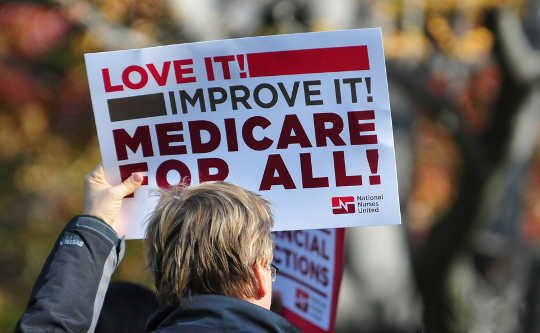 'We have got to end the international disgrace of being the only major country on earth not to guarantee healthcare to all people as a right not a privilege.'
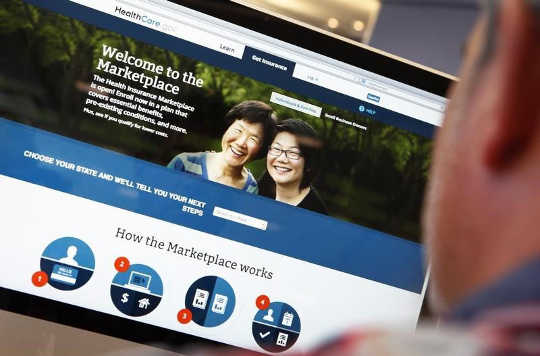 As House Republicans labor to define a new plan to replace the Affordable Care Act, often called “Obamacare,” public support for the 2010 legislation is at an all-time high, according to a national survey taken in January.
 Plans put forth by House Speaker Paul Ryan and HHS Secretary Tom Price are 'unlikely' to fulfill President Donald Trump's campaign promises—'but single payer could'