


Can You Really Change the World Starting With One Choice?
The world feels broken, but what if the solution isn’t out there—it’s within you? Every thought, every reaction, every choice shapes…


The world’s supply of cheap and clean fresh water will likely plummet as the climate warms and populations boom. Can we find ways to conserve, cut waste, and find new sources before it’s too late?
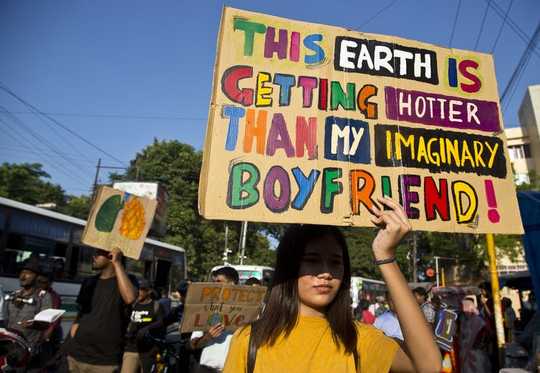
Climate change is not inherently funny. Typically, the messengers are serious scientists describing how rising greenhouse gas emissions are harming the planet on land and at sea, or assessing what role it played in the latest wildfire or hurricane.
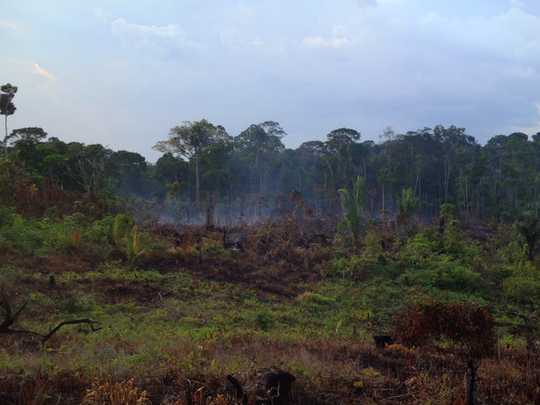
The flames consuming the Amazon rainforest this year have alarmed the world, renewing concerns about one of the planet’s most biodiverse regions and the release of large amounts of carbon into the atmosphere
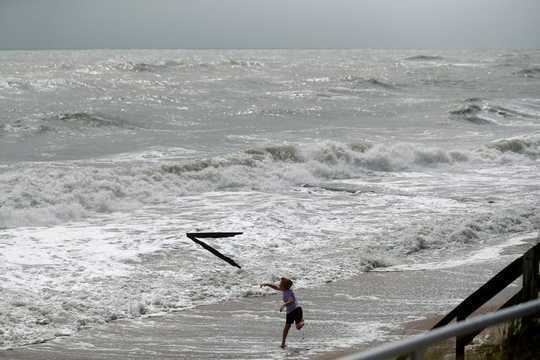
Behind the scenes during hurricanes and other disasters, scores of public information officers in state and local government agencies are fixed to their screens – often in 24-hour shifts
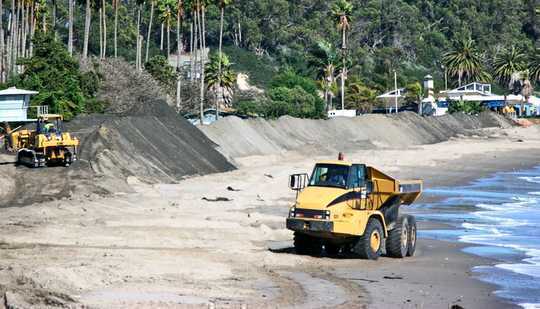
Attempts to maintain the “natural beauty” of Southern California beaches are actually having a massive negative impact on the beach ecosystem overall, a new study warns.

Most people want to be sustainable, but have a hard time taking the necessary actions.
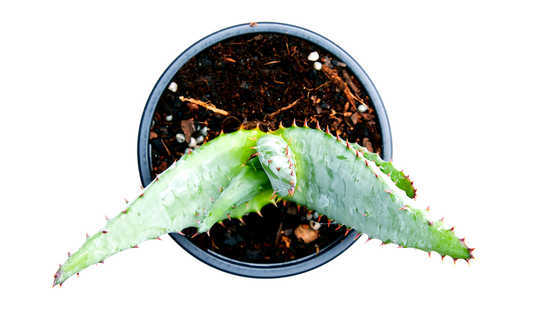
The aloe plant’s ability to survive extended periods of drought could contribute to more resilient crops.
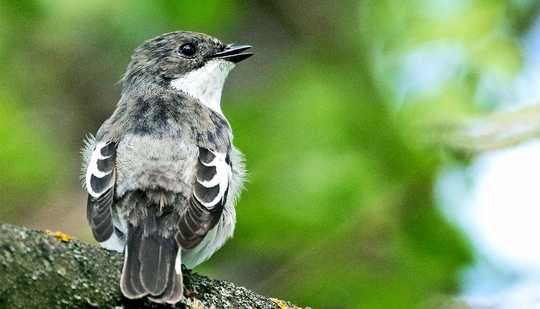
Climate change is outpacing the ability of birds and other species to adapt to their changing environment, researchers report.
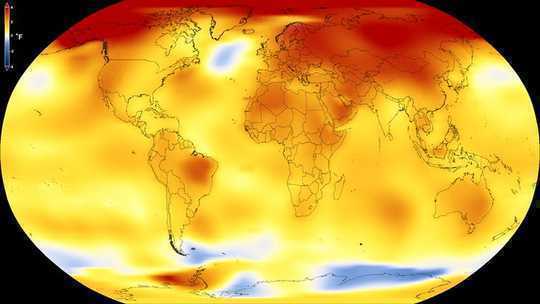
I am a scientist who researches climate hazards. I have published research on the potential for a catastrophic cyclone-heatwave combo in the global south.

Management that takes evolution and adaptation into account can help rescue coral reefs from the effects of climate change, according to a new study.
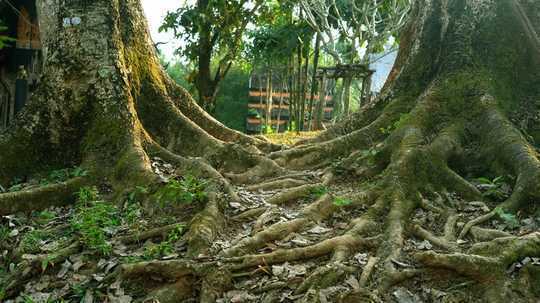
Every tree in a forest has a neighbour. In many forest neighbourhoods, the same species are often found living together, especially when the growing conditions are similar. Sometimes these neighbours are close and sometimes far apart, but collectively they form part of a community, with some species naturally being more dominant than others, especially in terms of biomass production.
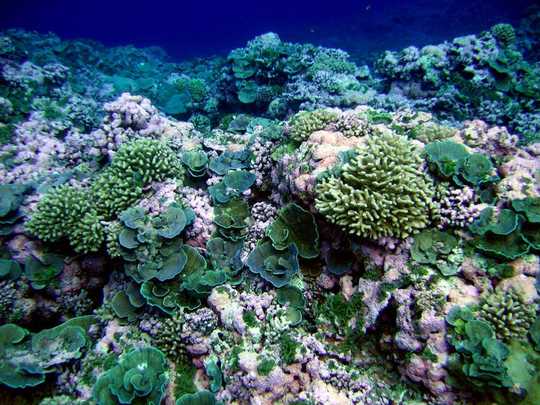
Coral reefs are home to so many species that they often are called “the rainforests of the seas.”

The next great agricultural revolution is here. Wine growers have a neat, if unusual, trick for making more flavorful wine?—?don’t water the vines
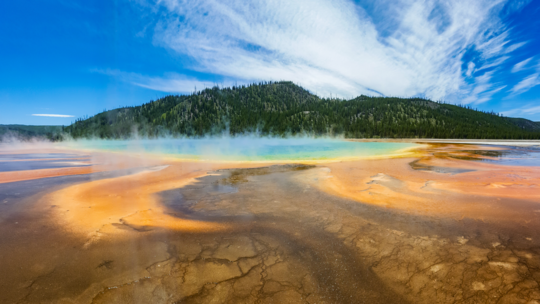
Biomining is the kind of technique promised by science fiction: a vast tank filled with microorganisms that leach metal from ore, old mobile phones and hard drives.

If we’re serious about feeding the world’s growing population healthy food, and not ruining the planet, we need to get used to a new style of eating.

Removing salts and other impurities from water is really difficult. For thousands of years people, including Aristotle, tried to make fresh water from sea water.

In cities around the world, trees are often planted to help control temperatures and mitigate the effects of the “urban heat island”. But while trees have been called “nature’s air conditioners”, in practice, scientists often have difficulty demonstrating their cooling properties.

This summer, wildfires erupted in California, torrential rains flooded parts of Japan, and record-breaking temperatures led to a number of heat-related deaths around the globe. Disasters like these are augmented by climate change, and scientists say extreme weather like this will increase and worsen as climate change accelerates. And it’s impacting our mental health.
 Local people collect water from a muddy waterhole in 2006 in San Marcos Tlacoyalco. The Tehuacan Valley South-East of Mexico City has long experienced severe water shortages. Drought and climate change have contributed to this but recent industrial growth has also strained the very limited ground water resource. Water resources in the area are largely based on a weekly delivery by truck as well as collecting water from small pools known as Jagueys.
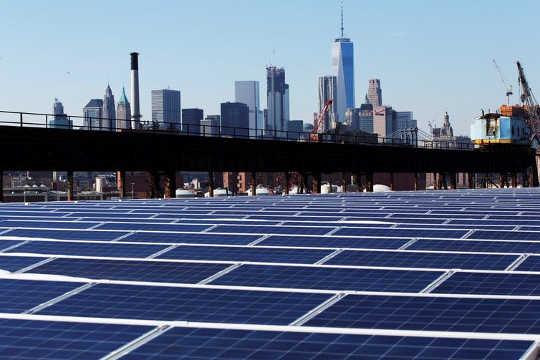
Far from protecting U.S. interests, the tariffs are bound to stifle the current solar boom, destroying American jobs and dragging down clean energy innovation. As economists who research climate and energy policies that can foster a greener North American economy, we argue the government should instead create targeted subsidies that support innovation and lower costs across the supply chain.
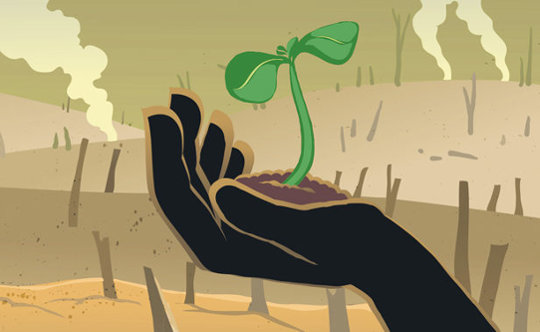 To maintain our capacity to address climate change, we need to recognize and address the trauma it creates.
 Remember the movie “Moneyball”? The Oakland A’s are struggling, financially and on the baseball field.Then they introduce an innovative system for figuring out which players will improve team performance.
 A new report indicates that almost half of native California salmon, steelhead, and trout species are on track to be extinct in the next 50 years.