


Can You Really Change the World Starting With One Choice?
The world feels broken, but what if the solution isn’t out there—it’s within you? Every thought, every reaction, every choice shapes…


As the world warmed millions of years ago, conditions in the tropics may have made it so hot some organisms couldn’t survive.
 For a period about a million years ago Greenland wasn’t covered in ice. Researchers say the discovery suggests it’s possible the ice sheet could go away again.
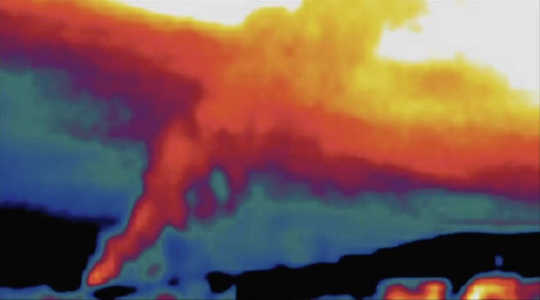 The bulk of methane emissions in the United States can be traced to a small number of “super-emitting” natural gas wells.
 NOAA’s National Centers for Environmental Information (and several other institutions) reported April 2016 to be the warmest April on record for the planet. All of the previous twelve months now hold the “Warmest [INSERT MONTH HERE] on Record” title. That’s twelve months in a row, and that’s never happened.
 2016 continues to be a momentous year for Australia’s climate, on track to be the new hottest year on record.
Senior military figures in the US warn of national and international security threats posed by the impacts of climate change.
 Claims that the “the science isn’t settled” with regard to climate change are symptomatic of a large body of ignorance about how science works.
 With the help of satellite data, scientists have shown that low-level cloud cover in the tropics thins out as Earth warms. Because this cloud cover has a cooling effect on the climate, the two-degree warming target set by the Paris Agreement may arrive sooner than predicted.
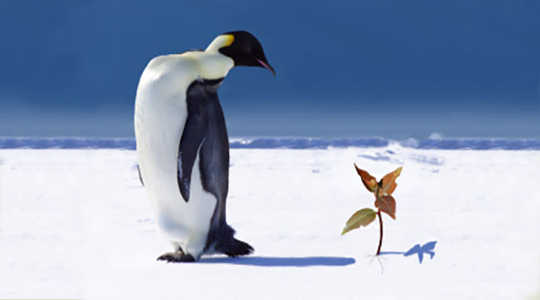 The State of the Climate in 2015 report, led by the US National Oceanic and Atmospheric Administration, was released. Unfortunately, it paints a grim picture of the world’s climate last year.
 The dip in atmospheric carbon dioxide levels during the Little Ice Age wasn’t caused by New World pioneers cutting a swathe through native American agriculture, as had been previously thought.
 Experts say the results of a study of ancient zooplankton fossils offer a warning about mass extinction events: There’s a tipping point, at which dramatic declines in populations begin.
 Think of an Australian landscape and you’re unlikely to picture snow-capped mountains or alpine meadows. But that’s what you’ll find atop the peaks of the country’s southeastern corner.
 The fossil fuel industry has spent many millions of dollars on confusing the public about climate change. But the role of vested interests in climate science denial is only half the picture.
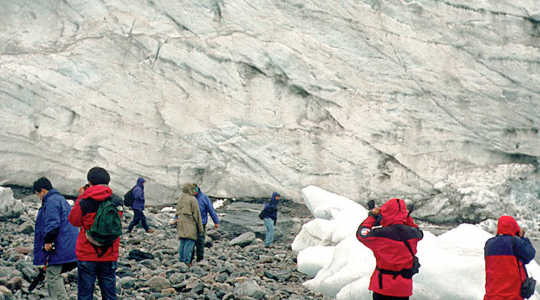 Following record-high temperatures and melting records that affected northwest Greenland in summer 2015, a new study offers the first evidence linking melting in Greenland to the anticipated effects of a phenomenon known as Arctic amplification.
 Antarctica is already feeling the heat of climate change, with rapid melting and retreat of glaciers over recent decades. Ice mass loss from Antarctica and Greenland contributes about 20% to the current rate of global sea level rise.
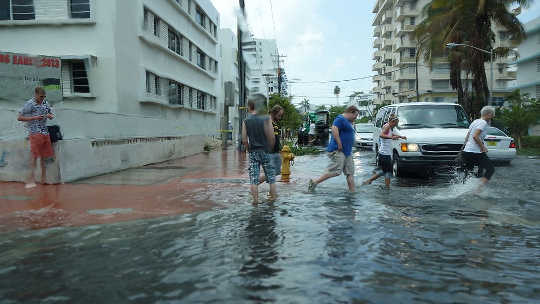 Global temperatures for February showed a disturbing and unprecedented upward spike. It was 1.35? warmer than the average February during the usual baseline period of 1951-1980, according to NASA data.
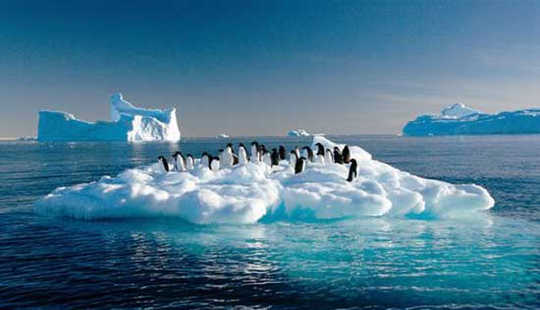 Much has been written about the challenge of achieving the targets set out in the Paris climate agreement, which calls for global warming to be held well below 2? and ideally within 1.5? of pre-industrial temperatures.
 Global sea level rose faster in the 20th century than in any of the 27 previous centuries, a new analysis shows.
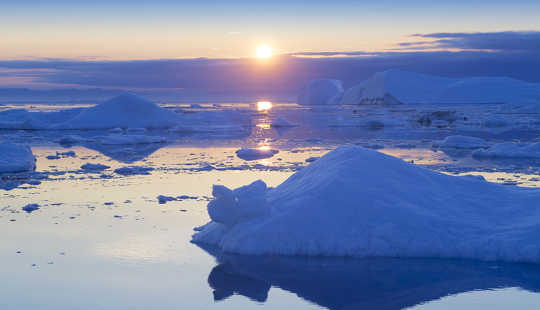 Antarctica and Greenland may be two of the most remote places on Earth but what happens in both these vast landscapes can significantly impact on human activity further afield.
 Wouldn’t it be great if scientists could make their minds up? One minute they’re telling us our planet is warming up due to human activity and we run the risk of potentially devastating environmental change.
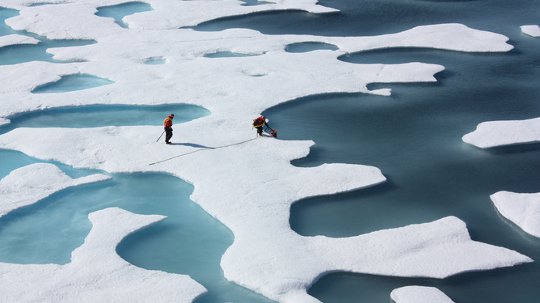 National and international studies have shown that the Earth is warming, and with this warming, other changes are occurring, such as an increasing incidence of heat waves, heavy downpours and rising sea levels.
 At first glance, asking whether global warming results in more snow may seem like a silly question because obviously, if it gets warm enough, there is no snow. Consequently, deniers of climate change have used recent snow dumps to cast doubt on a warming climate from human influences. Yet they could not be more wrong.

2014 has been confirmed as Australia’s third-hottest year, capping off a record-breaking decade, according to the Bureau of Meteorology’s annual climate statement, released today.