


Can You Really Change the World Starting With One Choice?
The world feels broken, but what if the solution isn’t out there—it’s within you? Every thought, every reaction, every choice shapes…

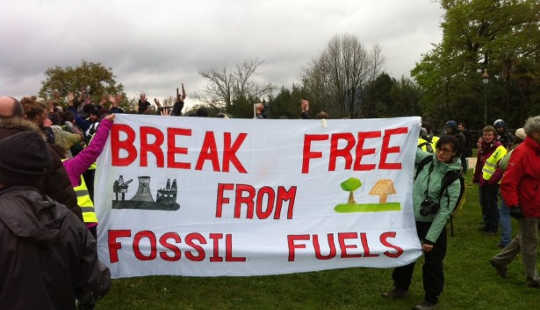 For two weeks this May, organizers across 12 countries will participate in Break Free 2016, an open-source invitation to encourage “more action to keep fossil fuels in the ground and an acceleration in the just transition to 100 percent renewable energy.”
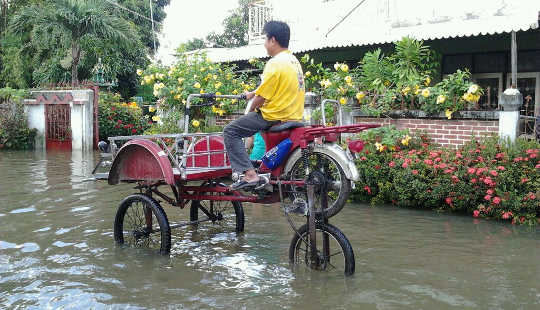 One of the biggest threats to a thriving world today is that the world’s poorest people face disproportionate risk from climate change. The World Bank’s Turn Down the Heat report notes that climate change threatens to erode progress made on reducing poverty.
 The title of this piece should instead be: how to weather the next few years of stupid politics over climate change while watching the oceans rise, acidify, and lose oxygen, and while watching extreme drought, forest fires, and weather slap us upside the head.
Representatives of Australian coastal communities have gathered this week to discuss the major challenges they face. Delegates at the conference in Rockingham, Western Australia, represent 40 councils around Australia, some falling within the 24 federal electorates held by a margin of 5% or less.
 Worsening wildfires endanger communities. Invasive insects imperil forests. In the American West, many worry about these threats — but fewer fret about climate change, a major force behind both the burning and the bugs. Why? Apparently, because lots of people don’t see the local connection. Polling residents of eastern Oregon
 By putting a temporary halt to Obama’s cornerstone climate policy, the Supreme Court puts the next president in the driver’s seat. Earlier this week, the U.S. Supreme Court decided to halt, at least temporarily, implementation of one of the central components of the federal effort to constrain U.S. climate emissions, the Clean Power Plan.
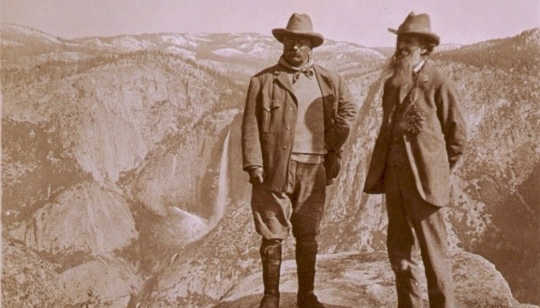 An environmental activist friend of mine recently shook her head and marveled at the extraordinary accomplishments of the last several months. “Still lots of work to be done,” she said. “But wow! This has been an epic period for environmentalists!”
 More than three out of four Americans—or 76 percent—now believe that climate change is occurring. The number is up from 68 percent just one year ago, but partisan politics are still a huge factor in how people respond.
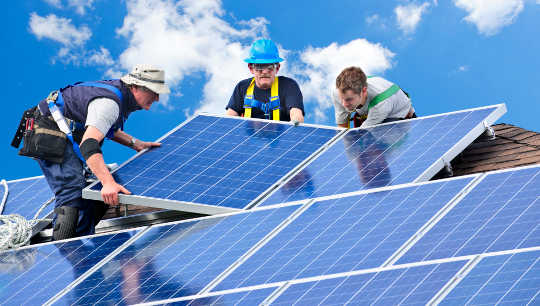 Converting the world’s entire energy infrastructure to run on clean, renewable energy could effectively fight ongoing climate change, eliminate air pollution deaths, create jobs, and stabilize energy prices.
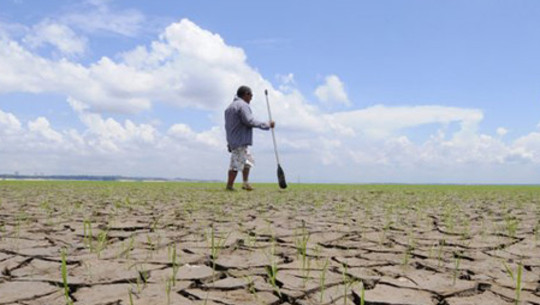 The climate debate seems to be as polarised as ever. While joint political pledges offer some hope that climate change no longer has to be a partisan issue, a look at the comments below most articles on global warming says otherwise.

If we want to use scientific thinking to solve problems, we need people to appreciate evidence and heed expert advice. But the Australian suspicion of authority extends to experts, and this public cynicism can be manipulated to shift the tone and direction of debates. We have seen this happen in arguments about climate change.

There are many complex reasons why people decide not to accept the science of climate change. Climate scientists, myself included, have strived to understand this reluctance. We wonder why so many people are unable to accept a seemingly straight-forward pollution problem. And we struggle to see why climate change debates have inspired such vitriol.
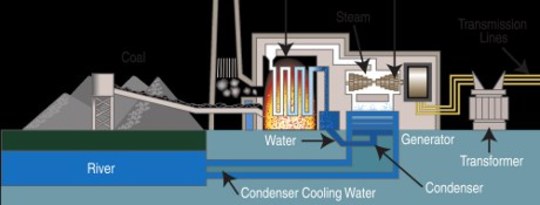
The climate science might be gloomy but at least governments seem to be doing something about it. But this is only half the story. Side by side with policy initiatives designed to cut greenhouse gas emissions have come new policies that have the opposite effect: increased emissions.

Naomi Klein’s third attack on capitalism, This Changes Everything, has put the urgency of climate change front and centre.

Each of the 125 leaders attending the New York climate summit this week has been given four minutes to speak to the world. They (or their aides) may well have dipped into the climate literature to add scientific ballast to their speeches.
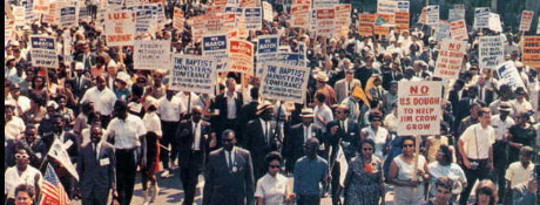
On August 28, 1963, 200,000 people swarmed into the nation’s capital for one of the most iconic moments in the civil rights movement: the March on Washington for Jobs and Freedom. More often remembered today simply as the March on Washington, it was seen by many as a turning point for the civil rights movement, which helped spur passage of the 1964 Civil Rights Act and 1965 Voting Rights Act.

Bill McKibben, an activist who has dedicated his life to saving the planet from environmental collapse, talks about his hopes that Americans will collectively pressure Obama to stand up to big oil. Also included a interview with McKibben and Democracy Now.

The People's World has obtained internal documents produced by the right wing American Legislative Exchange Council outlining a new ALEC plan to kill clean energy programs across the nation. The operation involves the top U.S. energy companies and hundreds of state lawmakers from one end of the country to the other.