

Can You Really Change the World Starting With One Choice?
The world feels broken, but what if the solution isn’t out there—it’s within you? Every thought, every reaction, every choice shapes…


The New York Times revealed that the Obama administration had prepared a cyberattack plan to be carried out against Iran in the event diplomatic negotiations failed to limit that country’s nuclear weapons development.

For others, as for myself, the yearning for just a drop of miraculous balm to quiet the troubled waters of daily life is universal. Loved ones hope to heal the bitter quarrels that sunder them from one another. Busy people maneuver to snatch a moment of calm. Those who are poor long for the peace of a full stomach and physical security.
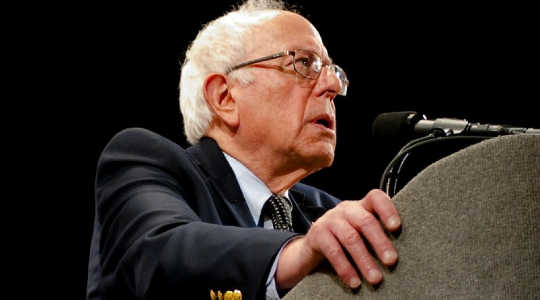 "If there's anything we should've learned from the wars in Iraq and Afghanistan...it's that it's easier to get into a war than get out of one"
 Much has been written lately about Russia “hacking” the US presidential elections, and how Vladimir Putin’s government is in a new Cold War with the West.
 The Syrian civil war and subsequent refugee migration caused sudden changes in the area’s land use and freshwater resources, according to new satellite data.
 California is now the capital of liberal America. Along with its neighbors Oregon and Washington, it will be a nation within the nation starting in January when the federal government goes dark.
 The number of refugees in Central America has reached a scale not seen since armed conflicts tore the region apart in the 1980s, with more than 110,000 people fleeing their homes.
 The UN secretary-general, Ban Ki Moon, is set to open a new investigation into the death of former secretary-general Dag Hammarskjold, whose plane crashed during a peace mission in the Congo in September 1961.
 A number of catastrophic events have afflicted the Arab world in recent years. Western news reporting and Hollywood cinema tend to present these crises through disaster footage or stories about Western protagonists in which local people are merely extras. Film from the Arab world is often more complex and nuanced.
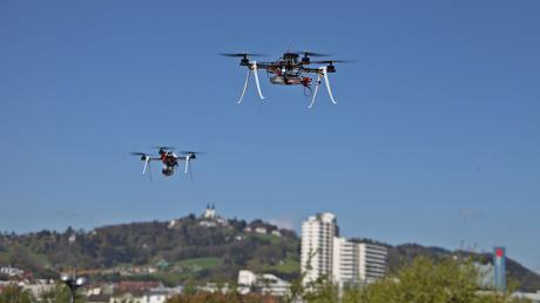 A new kind of warfare: how urban spaces are becoming the new battlefield, where the distinction between intelligence and military, and war and peace is becoming more and more problematic.
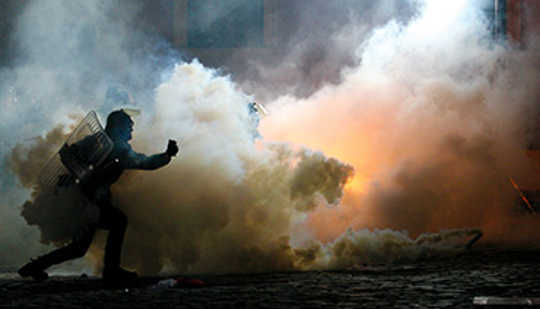 A bomb exploded in the Chelsea neighborhood of Manhattan on Saturday, injuring 29 people. Police discovered a second explosive device nearby.
 Chatham House’s new report on elite perceptions of the US in Latin America and the post-Soviet states – which follows a previous survey of Asia and Europe – underlines the uniquely daunting task of expectation management task that awaits anyone in charge of America’s image in the world.
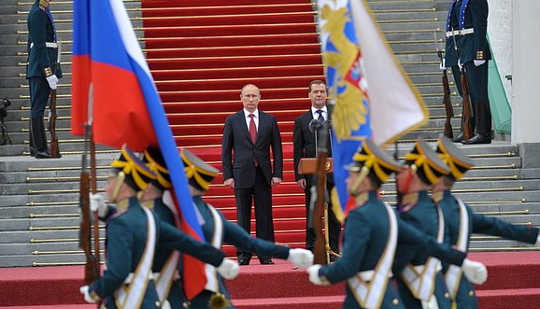 Tensions are again mounting between Russia and Ukraine.Dubiously claiming provocation, Russia has stationed 40,000 troops on the Ukrainian border. Russian President Vladimir Putin has warned of a full-scale invasion.
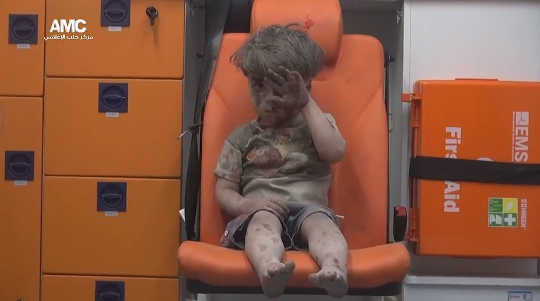 Few images have captured the peculiar horrors of the war in Syria more powerfully than the photograph and short video that emerged recently showing five-year-old Omran Daqneesh sitting in an ambulance after being rescued from the aftermath of an airstrike in Aleppo.
 The death of 22-year-old Dean Carl Evans, the second British man to be killed fighting the Islamic State in Syria after Konstandinos Erik Scurfield was killed last year, should prompt us to wonder why he and others would choose to travel to the frontline and involve themselves in the bloody civil war of a country other than their own.
 Opponents of the Iraq war often highlight the importance of oil when explaining why the invasion took place. While leaders at the time denied it was a motivation there is no doubt the country’s huge oilfields did offer possible post-conflict opportunities for the Iraqi industry and international corporations.
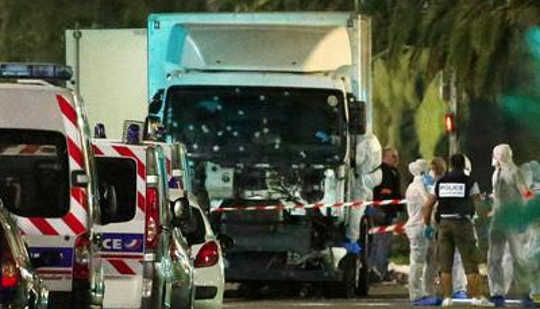 Only four months after a series of coordinated attacks in Paris left 130 people dead, Europe was once again the target of chilling acts of terrorism when yesterday, March 22, 2016, two explosions rocked the airport in Brussels and another ripped through a subway station in the Belgian capital. At least 30 people were killed and several hundred others were wounded in the attack.
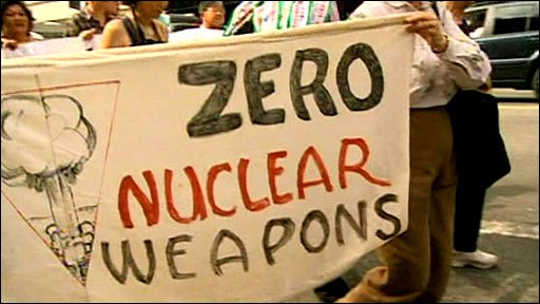 As it seeks to modernize its nuclear arsenal, the United States faces a big choice, one which Barack Obama should ponder before his upcoming Hiroshima speech.
 We need to define terrorism independently of who is employing it. Terrorism is violence against some innocent people aiming at intimidation and coercion of some other people. This definition says nothing about the identity of terrorists. They can be insurgents or criminals. But they can also be members of the military or of some state security agency.
 Lieutenant-General James L. Terry, commander of US forces in Iraq and Syria, recently admitted he had no idea how many civilians have died as a result of coalition airstrikes in the region.
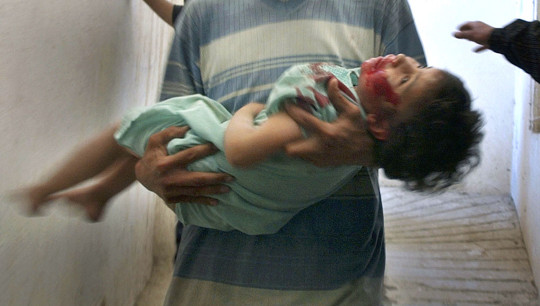 After watching the movie “American Sniper,” I called a friend named Garett Reppenhagen who was an American sniper in Iraq. He deployed with a cavalry scout unit from 2004 to 2005 and was stationed near FOB Warhorse.
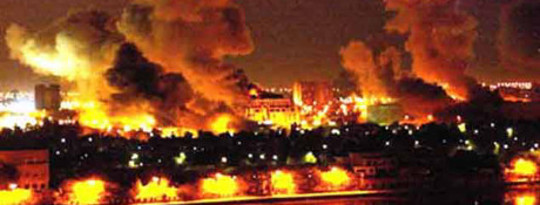
The drums of war are beating once again with U.S. bombers to, in President Obama’s words, “degrade and destroy ISIS.” The Republican Party, led by war-at-any-cost Senators Lindsay Graham and John McCain, wants a bigger military buildup which can only mean U.S. soldiers on the ground.

“Collective trauma” happens to large groups of people — attempted genocide, war, disease, a terrorist attack — and can be transmitted down generations and throughout communities. Its effects are specific: fear, rage, depression, survivor guilt, and physical responses in the brain and body that can lead to illness and a sense of disconnection or detachment...