Can You Really Change the World Starting With One Choice?
The world feels broken, but what if the solution isn’t out there—it’s within you? Every thought, every reaction, every choice shapes…


A surge in childhood food allergies across the United States has turned classrooms into homemade-treat-free zones and parents into experts at scanning labels. But what’s fact and what’s fiction?
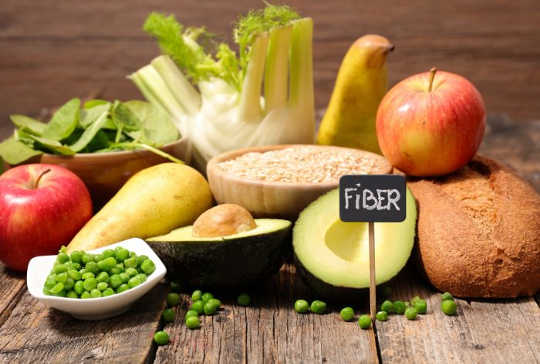 A high-fiber diet may boost a group of gut bacteria that can benefit people with type 2 diabetes, according to a new study.

Curcumin, a component of the spice turmeric, may be able to reverse some of the effects of Gulf War illness (GWI), according to a new study
 In Australia, almost 6,000 deaths a year can be attributed to alcohol, as well as around 400 hospitalisations a day.
 Standing rather than sitting burns, on average, an additional 0.15 calories per minute — a small increase that could add up to a weight loss of nearly 6 pounds per year.

When you google “weight loss” the challenge to sort fact from fiction begins. These five supplements claim to speed up weight loss, but let’s see what the evidence says.

While plant-based milk beverages like soy milk have been on the market for a couple of decades and are advertised as being healthy and wholesome for those who are lactose-intolerant, little research has compared the benefits and drawbacks of the various kinds of plant-based milk.

People who are overweight may be at higher risk for overeating in the evening hours, especially when experiencing stress, a new study suggests.

Researchers have developed a new way to attack cancer: using a non-toxic dose of sodium formate—found in nettles and ants—to trigger an organic-osmium compound.
 Kids who eat fish at least once a week sleep better and have IQ scores that are 4 points higher, on average, than those who eat fish less frequently or not at all, a new study shows.

In less than six weeks’ time working together, Sandy lost fifteen pounds and within four months she was a total of forty-five pounds lighter while eating more fat and exercising less. Her war with food was over, and she finally had what she wanted. Here’s what she did.
 Research in animal models with different genetics shows that one diet really doesn’t fit all, and what works for some may not be best for others, according to a Texas A&M study published in the journal Genetics.
 As the weekend approaches, people are opening wine bottles in bars and restaurants and homes around the world, ready to kick back and relax.
 New research clarifies the mechanisms by which caloric restriction rapidly reverses type 2 diabetes. One in three Americans will develop type 2 diabetes by 2050, according to recent projections by the Center for Disease Control and Prevention. Reports indicate that the disease goes into remission in many patients who...
 A high-fat, or ketogenic, diet not only increases longevity, but also improves physical strength, according to new research with mice. Ketogenic diets have gained popularity for a variety of health benefit claims...
 A look at menu items from 66 of the top 100 chain restaurants shows that while restaurants are offering lower-sodium options, food—particularly in main course items—is still high.
 Researchers have discovered brain cells that control our appetite. This major discovery opens up new possibilities for creating more effective diets—and even future treatments to suppress one’s appetite by directly activating the brain’s tanycytes, bypassing food and the digestive system.
 Humans began domesticating animals for food over 10,000 years ago, cultivating a close relationship with animals over the following millennia.
 It’s fair to say that frozen food has a bit of an image problem. One in three Britons believe it is inferior to fresh food, and 43% say that nothing could persuade them to buy more frozen fare.
 Our sense of smell is key to the enjoyment of food, so it may be no surprise that obese mice in a recent study who lost their sense of smell also lost weight.
 Some industry messaging efforts are so heavy-handed they end up highlighting their own PR tactics more than the message they are trying to convey.
 Some people on very low-carb diets say they feel euphoric, have clear minds and lose their appetite.
 Eating late at night could be worse for your health than you might think.