Can You Really Change the World Starting With One Choice?
The world feels broken, but what if the solution isn’t out there—it’s within you? Every thought, every reaction, every choice shapes…

 Aspirin is, like ibuprofen and Voltaren (diclofenac), a non-steroidal anti-inflammatory drug (NSAID) used to treat pain and reduce fever.
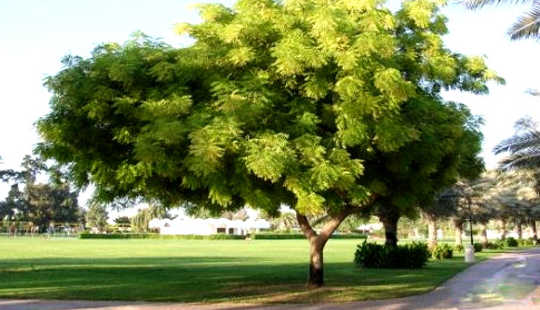 A compound derived from the leaves of the neem plant could significantly suppress the development of prostate cancer, according to new research with mice.
 Three in five Australian adults get sucked in by promotions and specials on junk food and sugary drinks at the supermarket, research released today shows.
 Metformin is the most widely used drug to treat type 2 diabetes globally. In Australia, approximately two-thirds of patients with type 2 diabetes are prescribed metformin, either alone or in combination with other pills, or with insulin injections.
 Food scientists argue that near-infrared spectroscopy would work better than other methods to detect food fraud.
 There’s a lot of hype around edible insects. Insects are being championed as a healthy and sustainable alternative to conventional protein sources in Europe and the US, and “ento-prising” new products are appearing almost every week.
 Opponents and proponents of genetically modified food have invoked science in their arguments, but science has no definitive answer.
 Lysergic acid diethylamide (LSD) is a synthetic chemical made from a substance found in a fungus that grows on rye and other grains, called ergot.
 A friend reckons he has it good. His partner cooks a bacon-hash-brown-fry-up for breakfast every day. “Are you sure?” I said. “Cause that’s exactly what I would feed my partner if I wanted to bump him off!”
“An apple a day keeps the doctor away” says the proverb—but maybe not in China. Due to a lack of regulation and enforcement, farmers in China regularly add dangerous amounts of fertilizers, preservatives, pesticides, and other chemicals
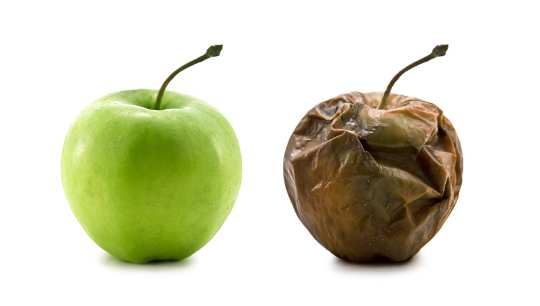 A hotel in Reykjavík has on display a McDonald’s burger and fries, seemingly undecomposed after 2,512 days – and counting. It was bought on October 30, 2009, the day that the last McDonald’s in Iceland closed.
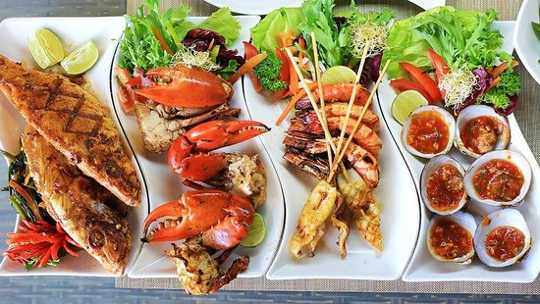 In a squalid fish farm in Yangjiang, Guangdong, farmers fed tilapia fish with the feces of pigs and geese to lower the cost of production.
 In one of television’s more bizarre recent offerings, the History Channel show “Appalachian Outlaws” follows a band of West Virginians as they hunt rugged forests for American ginseng, a medicinal root worth hundreds of dollars per pound.
 After numerous food scares in China, the Chinese have become disillusioned with the communist regime’s ability to properly regulate the food industry. And the contaminated food does not just stay in China. The U.S. Food and Drug Administration (FDA) regularly refuses shipments from China...
 A new study complicates the “five-second rule,” the widely accepted idea that it’s okay to scoop up fallen food and eat it if you’re quick enough.
 Low levels of vitamin D are linked to an increased risk of cognitive decline and impairment in elderly Chinese people.
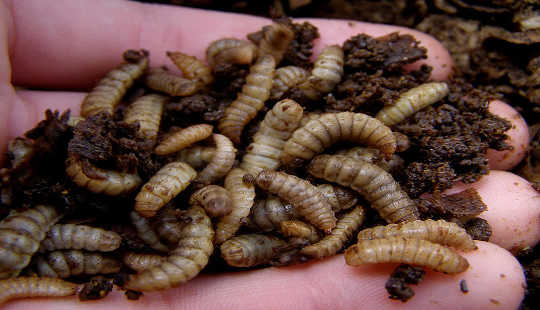 Scientists have predicted that by 2050 there will be 9.6 billion humans living on Earth. With the rise of the middle class, we are expected to increase our consumption of animal products by up to 70% using the same limited resources that we have today.
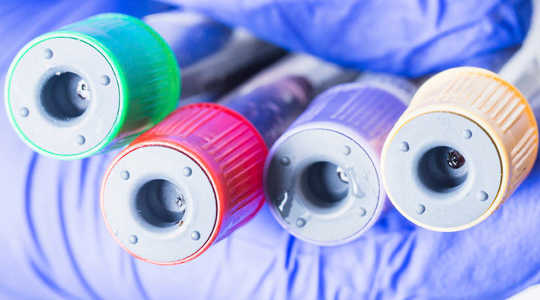 It is a hotly debated, highly researched subject: which fats are good for us and which aren’t?
 The use of food supplements and herbal medicinal products by the public, including athletes, is common practice – but it is not well regulated.
 It’s easier than you think to experience the beauty and healing properties of lavender by growing and using your own fresh lavender for use in food, body care, bathing, and other purposes. It can easily be done indoors in pots or outside in your garden.
 Foraging, or wandering in search of food and plants, isn’t relegated to remote forests and idyllic fields. Edible and usable weeds are abundant in urban environments too.
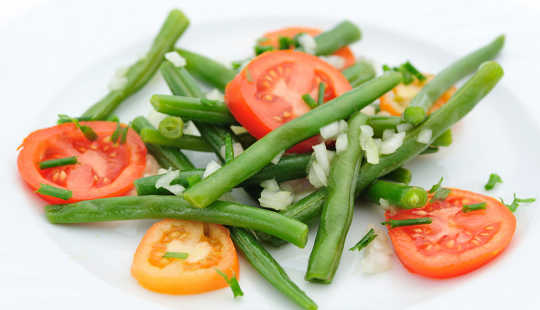 We all know the score: current trends predict there will be 9.7 billion mouths to feed by 2050. Producing enough food without using more land, exacerbating climate change or putting more pressure on water, soil and energy reserves will be challenging.
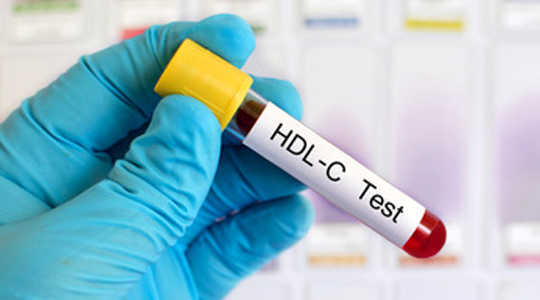
Commonly touted as “good cholesterol” for helping reduce risk of stroke and heart attack, both high and low levels of high-density lipoprotein (HDL) cholesterol may increase a risk of premature death, a new study suggests.