
Science tells us that love isn’t just a poetic metaphor; it’s a biological force running through our veins. Nowhere is this clearer than in the bonds we form with our pets. Whether it’s a dog meeting your gaze with unwavering loyalty or a cat curling up on your lap with a rhythmic purr, something profound is happening in both your body and theirs. That something is oxytocin , the so-called love hormone , and it’s reshaping how we understand relationships not just between humans, but between species.
In This Article
- What is oxytocin and why is it called the “love hormone”?
- How does oxytocin shape the bond between humans and dogs?
- Do cats also trigger oxytocin in their owners?
- What role does oxytocin play in stress relief and well-being?
- How can we strengthen oxytocin bonding with our pets?
How Dogs and Cats Bond with Us Through the Love Hormone
by Alex Jordan, InnerSelf.comOxytocin is often called the love hormone because of its role in human bonding , between mothers and infants, between romantic partners, even between friends. But narrowing its role to just human interactions misses something revolutionary: oxytocin is a cross-species connector. When released, it floods the body with signals of trust, safety, and calm. This is why you feel soothed after a hug, reassured after a smile, or lifted when your pet curls against you. Oxytocin is not sentimental fluff; it’s biochemistry with evolutionary purpose.
The history of oxytocin research is a reminder that science often lags behind experience. People have always known pets were more than property or entertainment. We speak of dogs as family members and cats as confidants. Only recently has science caught up, measuring hormone shifts in humans and pets that prove what many have long felt in their bones: our animals aren’t just companions, they’re co-creators of our emotional lives.
The Dog Gaze: Evolution’s Secret Bond
Dogs hold a special place in the oxytocin story. When dogs make eye contact with their owners, both species experience a measurable rise in oxytocin. This “gaze loop” mirrors the bond between human parents and infants. It’s a cycle: the dog gazes, oxytocin rises, the human responds with affection, oxytocin rises again, and the loop continues. This is why the simple act of looking into your dog’s eyes can feel grounding, even healing.
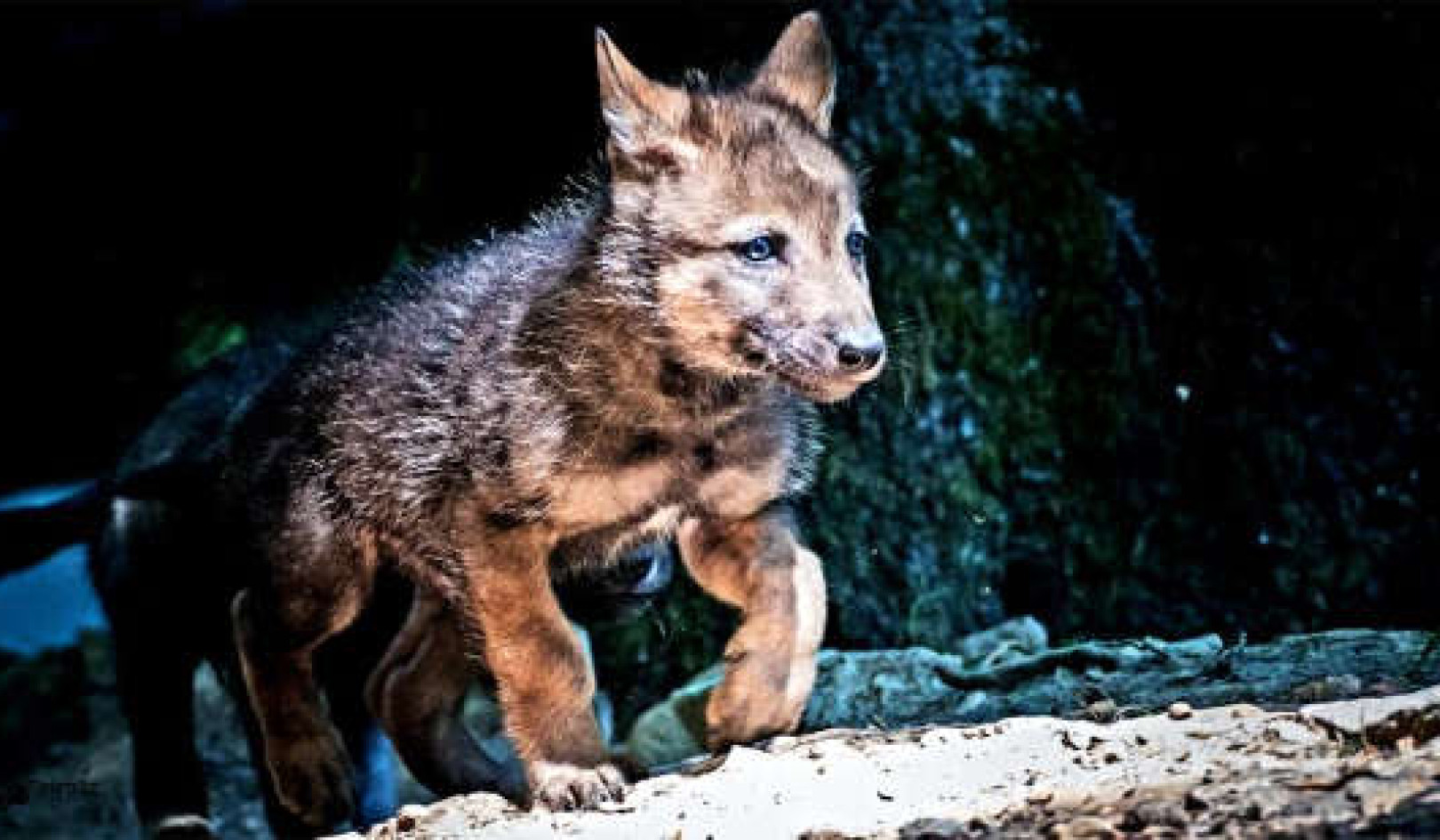
But this is more than a sweet anecdote. The dog gaze loop may have played a role in domestication itself. Wolves that tolerated or sought human contact were more likely to thrive near human settlements. Over thousands of years, those with stronger oxytocin-gaze responses flourished. In other words, the same hormone that keeps a newborn alive by strengthening parental love may have helped transform wolves into dogs. Oxytocin wasn’t just shaping families; it was nudging evolution.

Cats: Subtle Masters of Oxytocin
If dogs are masters of oxytocin through gaze, cats take a different route: touch. Stroking a cat, listening to its purr, or feeling the gentle kneading of paws can trigger oxytocin release in humans. Cats, too, experience hormonal changes during these interactions, though not always as predictably as dogs. Cats are famously selective, and their oxytocin response is more situational. But when it occurs, it’s powerful , a quiet surge of safety and trust that softens the nervous system.
Why would a creature known for independence be capable of such intimacy? Because cats, like dogs, have coevolved with humans , just differently. Rather than being bred for cooperative tasks, cats first partnered with us as pest controllers and gradually moved closer to our homes and hearts. Their path to companionship relied less on obedience and more on subtlety. A soft purr, a head bump, a slow blink , enough to cement their place in our households. Oxytocin has quietly shaped these feline-human alliances.
Shared Pathways: Pets as Emotional Regulators
Both dogs and cats provide something astonishing: a physiological anchor in a chaotic world. The rise in oxytocin when we interact with pets doesn’t just make us feel good; it actively lowers cortisol, the stress hormone. When you stroke your dog’s fur or let your cat nap on your chest, you’re not just enjoying company. You’re engaging in a biological act of stress regulation, with measurable effects like reduced blood pressure, steadier heart rate, and improved mood stability.
Consider this: in a society where loneliness and stress are epidemic, our pets are doing work that no pill can duplicate. They are walking, purring antidepressants, filling the gaps where human relationships or social safety nets fall short. And unlike pharmaceutical solutions, they come without a list of side effects , unless you count the occasional scratched sofa or chewed shoe.
From Hearth to Clinic: Therapeutic Lessons
Oxytocin strengthens attachment by turning down the brain’s threat detectors and turning up cues of safety. With dogs, steady gaze and synchronized activity , walking, training, playing , reinforce the sense of a secure base. With cats, respect for boundaries is key. When we read their signals accurately and respond gently, oxytocin does its quiet work. Over time, this chemistry becomes character: calmer homes, more patient humans, more confident animals.
The therapeutic power of pets is more than a feel-good slogan. Therapy dogs can help regulate arousal in people with trauma histories; cats can ease loneliness and foster routine in elders. The mechanism isn’t mystical. It’s hormonal and behavioral: predictable affection, sensory comfort, and a reliable partner for co-regulation. Oxytocin helps teach the nervous system a new story , that safety is possible and connection is real.
The Politics of Companionship
In an age when institutions often commodify human worth, pets insist on a different metric. They don’t care about your résumé or your income. They care about presence. By releasing oxytocin, pets remind us that what matters , trust, comfort, mutual care , can’t be priced. Imagine a civic culture that measured success not by quarterly growth but by the depth of connection its people experience. Biology hints this isn’t utopian fluff; it’s closer to how humans thrive.
Presence beats perfection. For dogs, share brief sessions of eye contact, gentle touch, and cooperative play or training. Narrate your actions in a calm voice on walks; match your pace to theirs. For cats, offer choice and predictability: a routine of gentle petting when invited, play that mimics prey behavior, and safe elevated spaces. In both cases, consistency matters more than length. Five minutes of undivided attention can shift the chemistry of an entire day.
Ethics: Love Is a Responsibility
If oxytocin helps us love our pets, it should also help us love them well. That means humane training, veterinary care, consent-based handling, and environments designed for species needs. The biology of bonding isn’t an excuse for control; it’s a call to stewardship. The goal is reciprocity , two nervous systems learning safety together.
Ultimately, the story of oxytocin in pets isn’t just about dogs and cats. It’s a mirror for the kind of society we want: less driven by fear and scarcity, more organized around connection and care. Every wagging tail and gentle purr is a small policy proposal , a reminder that love is a behavior we practice, a chemistry we can cultivate, a culture we can choose.
About the Author
Alex Jordan is a staff writer for InnerSelf.com
Recommended Books
Animals Make Us Human
Temple Grandin shows how understanding animal emotions leads to better care , and stronger, healthier bonds.
Cat Sense
John Bradshaw explains the evolution and behavior of cats, offering practical insights for deepening the human–cat bond.
Decoding Your Dog
Veterinary behaviorists translate canine behavior into humane, science-based guidance for everyday life.
Article Recap
Oxytocin pets and oxytocin bonding explain why dogs and cats feel like family. Through gaze, touch, and daily rituals, pets trigger oxytocin that lowers stress, builds trust, and strengthens well-being. The science of oxytocin shows our relationships with animals are not sentimental illusions but shared biology , a practical path to calmer minds, healthier bodies, and a more connected culture.
#OxytocinPets #DogsAndCats #HumanAnimalBond
#OxytocinBonding #LoveHormone #PetRelationships
#AnimalCompanionship #PetWellbeing #MindBodyHealth