Can You Really Change the World Starting With One Choice?
The world feels broken, but what if the solution isn’t out there—it’s within you? Every thought, every reaction, every choice shapes…


Bullying isn’t just an event—it leaves a lasting imprint on personality. Both the bullied and the bully undergo profound shifts in character and behavior. Victims often become more withdrawn and anxious, while bullies internalize aggression as normal. These effects ripple into adulthood, shaping how people relate, trust, and thrive. Understanding bullying’s personality impact is key to healing and breaking the cycle of harm.

We spend our days trying to avoid boredom, but science shows healthy boredom is a powerful ally. Creative rest gives your nervous system time to reset, reduces stress, and sparks fresh insights. By welcoming life’s pauses instead of resisting them, we gain clarity, creativity, and inner balance. Maybe the moments we call “wasted time” are actually the foundation of our best growth.

Your self-image isn’t as fixed as you think. Every snapshot, every selfie, every portrait changes the way you see yourself. A mirror gives one truth, but a photograph offers another—a truth filtered through distance, angle, and perspective. The real question is not “Which one is accurate?” but “Which one ends up shaping who you believe you are?”

When faced with conflict, we have a choice: attack mode or protection mode. Attack mode fuels negativity, while protection mode shields us through peace and love. This article explores how to resist the pull of anger, protect your energy, and send healing instead of retaliation. By choosing protection mode, we stop feeding darkness and instead contribute to light, harmony, and renewal in our lives and the world.

When was the last time you spoke to yourself the way you would to a dear friend? Many of us extend kindness outward with ease but struggle to direct it inward. Yet research is showing something profound: self compassion and self kindness do not just feel good—they transform our health, reshape our outlook, and ripple into every part of our lives.

Why do people collect things? Recent research in collecting psychology points to one powerful driver: the desire for control. Collecting offers a sense of structure and meaning in uncertain times. Each piece added to a collection brings order to chaos and creates a deeper sense of completion. Understanding this psychology helps us see why humans collect and how it connects to well-being.

Empathy decline is not just personal, it’s societal. Compassion fade explains why we care less as suffering grows, leading to indifference, division, and even cruelty. By recognizing this psychological trap, we can reignite human connection and responsibility. Restoring empathy is vital for rebuilding trust, justice, and compassion in our world today. Without it, society risks unraveling into fear and isolation.

Dopamine anchoring is a powerful brain hack that helps you beat procrastination and build momentum today. By pairing ordinary tasks with enjoyable triggers, you train your mind to take action instead of delaying. This mindful method combines science and self-awareness, offering a simple yet effective way to stay motivated. Instead of waiting for tomorrow, dopamine anchoring helps you move forward now.

Life often asks us to choose: do we go with the flow or resist the flow? Each decision shapes our path, either aligning with the current or pushing against it. True empowerment isn’t about always surrendering or always resisting, but knowing which moment calls for which. This article explores the wisdom of balance, offering clarity on when to drift and when to steer your own course.

Some mornings, grief feels like waking into weather—heavy air, a sky that can’t decide whether to weep or hold it in. You make coffee, your hands remember the ritual, and yet something in the room is missing. If you’re honest, the question isn’t “How do I stop this?” It’s “How do I live with this and still feel like myself?” That’s where grief recovery begins: not with erasing the love, but with graceful grieving that lets love keep its place.

Anger can derail relationships, work, and health if left unchecked. With practical anger control techniques, you can learn to manage anger before it manages you. From quick calming exercises to mindset shifts, this guide helps you transform frustration into constructive energy, so you stay grounded and in control—even when life tries to push your buttons.

Somewhere along the way, you may have noticed a shift. Science, once a beacon of wonder and progress, now finds itself under a shadow of doubt. Friends share skeptical posts on social media, headlines scream about “fake experts,” and even you might have found yourself wondering, can I really trust what I’m being told? That hesitation, that unease, is more common than you think. But it doesn’t have to be the end of trust. It can be the beginning of a healthier relationship with knowledge.

An attitude shift isn’t just feel-good fluff—it’s a practical, powerful way to reset your inner compass. This article shows how even small mindset changes can impact your relationships, health, and resilience. With grounded insight and real-life perspective, we’ll explore how to turn your inner critic into your inner coach using tools anyone can apply—right now.

Worry loses its grip when we cultivate specific opponent forces taught in Buddhist psychology. By reflecting on impermanence, widening our circle of concern beyond self, and questioning the solidness of me, we create a calmer, kinder mind ready to meet life as it is.

Loneliness hides in plain sight, often mistaken for tiredness or stress. By recognizing the signs of loneliness and taking small, brave steps to reconnect—with others and yourself—you can begin to overcome loneliness and rediscover joy, presence, and meaning in your life.

Feeling anxious or overwhelmed? You’re not alone—and you’re not broken. Anxiety and worry are simply the body and mind’s response to fear. In this article, we explore how emotional presence—not pills or panic—can bring lasting relief. Learn to shake, breathe, and return to now.

Once upon a time, we at least pretended to be decent. We taught our kids to share, said “please” and “thank you,” and gave the occasional damn about the well-being of others. But now? We meme our way through cruelty, monetize humiliation, and elect leaders who treat compassion like a contagious disease. Something has shifted—and no, it’s not just politics or culture. It’s something deeper: a fundamental inversion of what it means to be human. That shift—from benevolent behavior to malevolent traits—isn’t just a quirk of the times. It’s the blueprint of decay. It’s the junkification of everything.

Why does Trump always find someone else to blame when things go wrong? From narcissism to Machiavellian strategy, psychological research reveals the deeper traits behind his leadership style. While taking credit for success, he pushes blame onto loyalists. Understanding this pattern helps us see how power, personality, and manipulation collide in modern politics—and why the buck never stops with him.

Why do we feel better in summer and gloomy in winter? Your brain—and the sun—have more to do with it than you think.
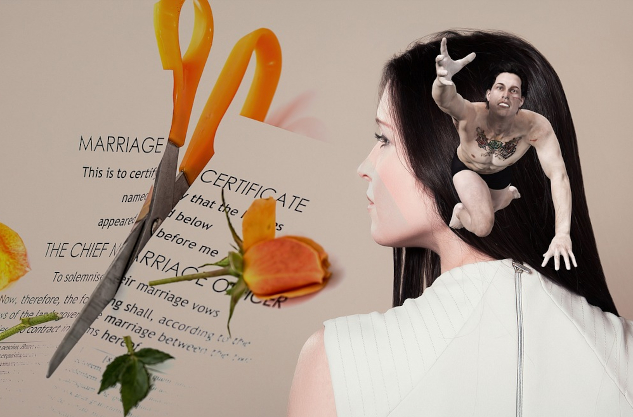
It’s in the air, isn’t it? The tension between genders. A war of words. A swirl of online rants and real-world frustrations. You scroll through social media and feel it—anger, sarcasm, blame. Somewhere along the way, conversation turned into confrontation. Misogyny isn’t just back; it’s louder, more organized, more shameless. But here’s the thing: behind the rage is a story. A human story. And understanding that story might be our only way out of the war zone.
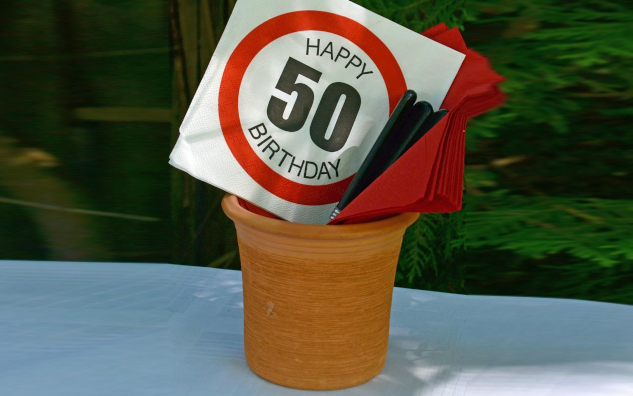
Each birthday comes with candles, cake, and—for many—a creeping anxiety. Milestone ages like 30, 50, or 70 often arrive with an invisible question: “Am I where I’m supposed to be?” But what if that question is the problem, not the answer? Aging isn't just survival; it's evolution. And developing a positive attitude toward it could be one of the most transformative acts of resistance in a culture obsessed with youth.

Fairness isn’t enough anymore. Learn how choosing the win-win path can transform your relationships, your decisions, and even the world around you.

Have you ever walked away from a conversation wondering if that person actually likes you, or if you're reading too much into their polite smile? That knot in your stomach, the replay of every word they said, the analysis of their body language—it's exhausting, isn't it? The truth is, most of us have become detectives of our own social interactions, searching for clues that might not even exist while missing the ones that actually matter.