
Can You Really Change the World Starting With One Choice?
The world feels broken, but what if the solution isn’t out there—it’s within you? Every thought, every reaction, every choice shapes…

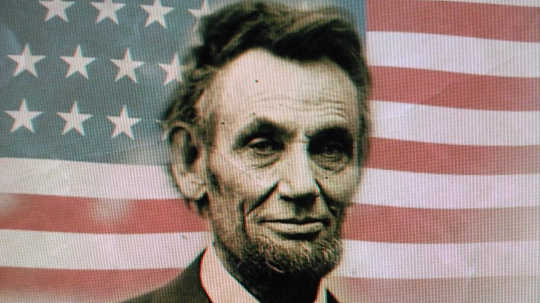 When two politics professors compared how historians rate presidents against the number of Americans who died in wars fought during those presidents’ terms, they noticed a troubling pattern
 It would be wrong to ignore the psychological, social and political damage this poisonous election is causing. When the movement called Citizen Therapists Against Trumpism, an effort to awaken therapists to their public responsibilities.
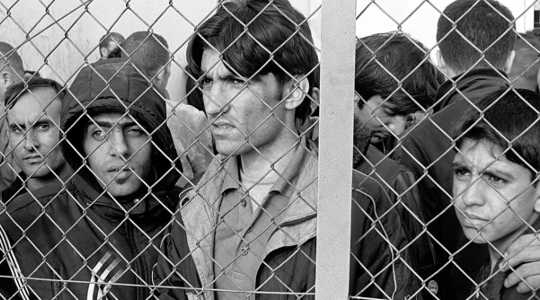 Is there something about the deep logic of democracy that destines it to succeed in the world? Democracy, the form of politics that includes everyone as equals – does it perhaps suit human nature better than the alternatives?
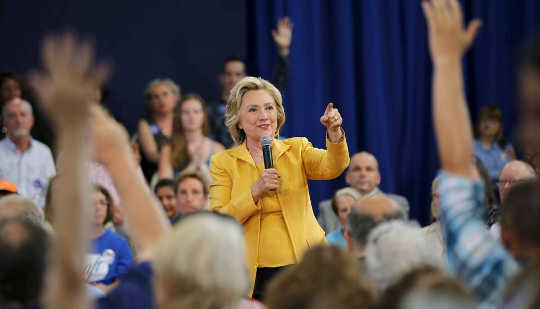
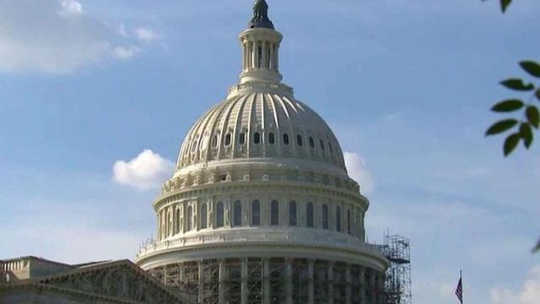 The Clinton campaign is relentlessly focusing on the defects of Donald Trump rather than the defects of the Republican agenda. That’s understandable, and it could be a winning strategy. But it has pitfalls.
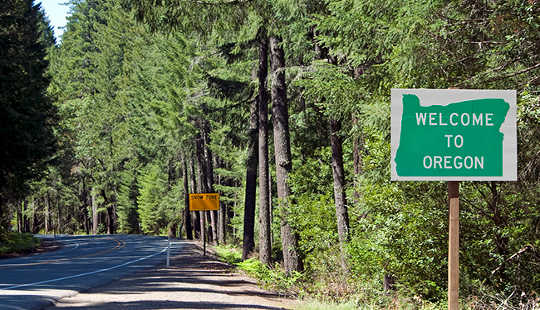 Charles Tso is an urban planner who moved to Portland, Ore., from California more than a year ago. An avid biker, the 26-year-old doesn’t own a car and seldom drives.
 Washington doesn’t think very highly of the American people, a study of 850 non-elected officials and others working in the nation’s capital concludes.
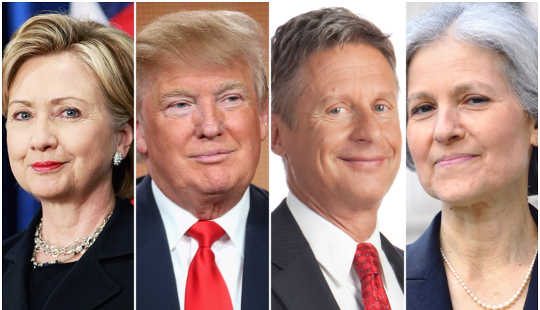 How do voters select a candidate when no one they like is on the ballot?
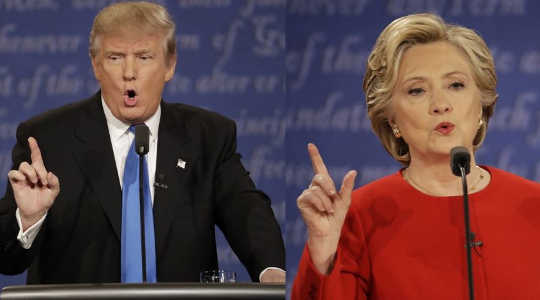 The vast majority of pundits declared Hillary Clinton the decisive winner of this week’s debate.
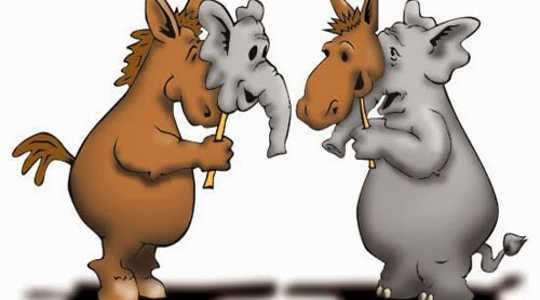 This year, much interest is focused on what The Economist calls drawbridge politics. Voters who believe in leaving the drawbridge down, so to speak, see opportunities in open borders for immigrants and trade.
 Local school board elections increasingly are becoming national political battlegrounds, as millions of dollars in campaign cash pours in from out-of-state donors in the name of education reform.
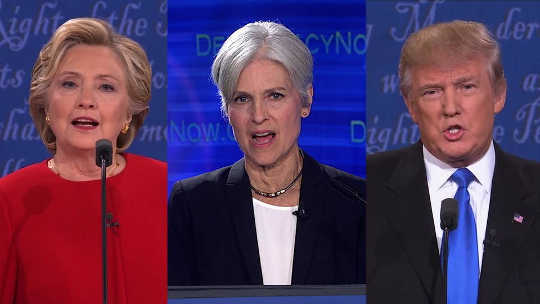 Excerpts from the presidential debate and get response from Green Party presidential nominee Dr. Jill Stein.
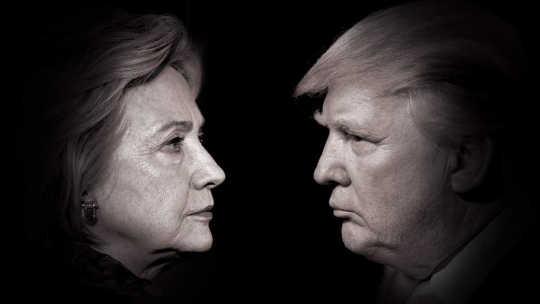 Years ago, when I first started teaching and was at Syracuse University, one of my students ran for student body president on the tongue-in-cheek platform “Issues are Tissues, without a T.”
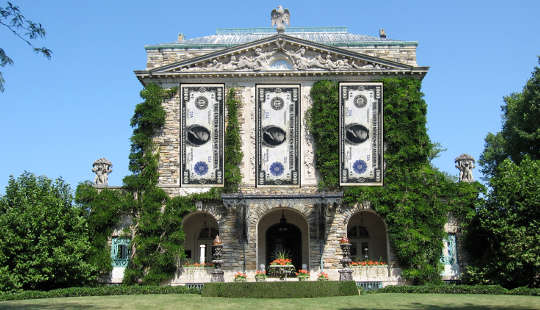 Sixty-six years ago this summer, on my 16th birthday, I went to work for the daily newspaper in the small East Texas town of Marshall where I grew up. It was a good place to be a cub reporter
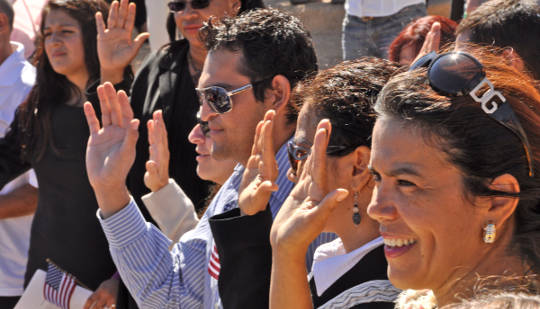 Hispanics are the largest ethnic minority group in the United States, and their concerns will have a major impact on the 2016 presidential election.
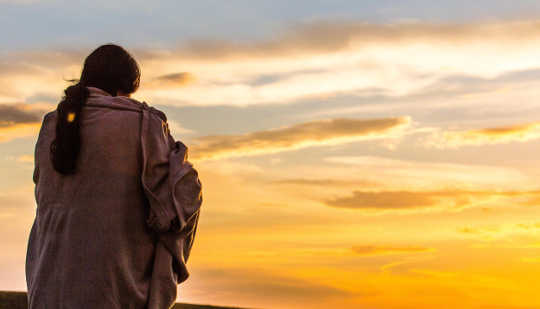 Over the past month, thousands of protesters, including Native Americans from more than 100 tribes across the country, have traveled to North Dakota to help the Standing Rock Sioux Tribe block the Dakota Access Pipeline from being built.
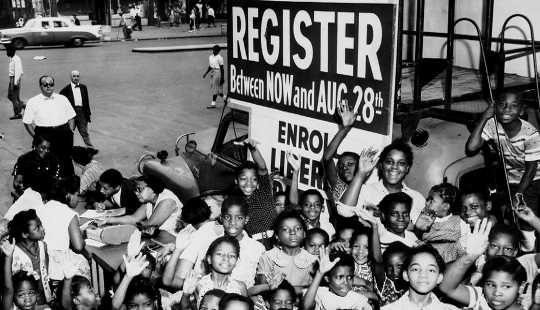 This fall, we are faced with the question of who will become president. And equally important – who can vote?
 Historian Jack Rakove says that the presidency has emerged as the strongest of all three branches of the US government, due to partisanship in Congress.
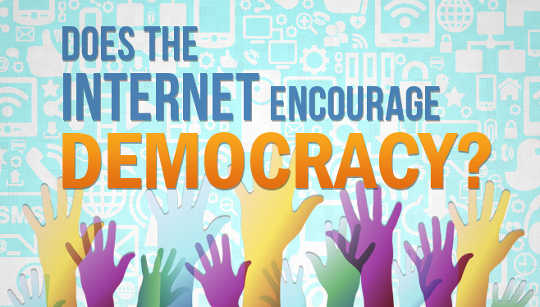 The internet has rewired civil society, propelling collective action into a radically new dimension. Democracy is now not only exercised at the ballot box, but lived and experienced online on a day-to-day basis.
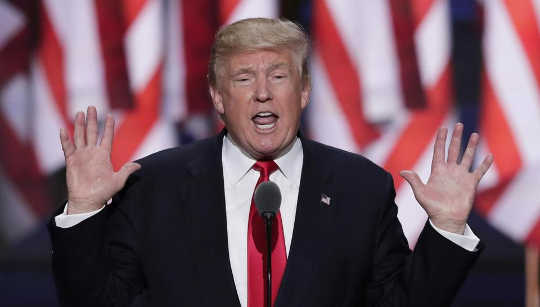 Republican presidential candidate Donald Trump seems willing to reach beyond what has been previously acceptable in his quest to be America’s next president.
 This ad in The Washington Post jumped out at me. In one tight photograph, it quickly telegraphs what’s wrong with the news media today and why the audience isn’t growing.
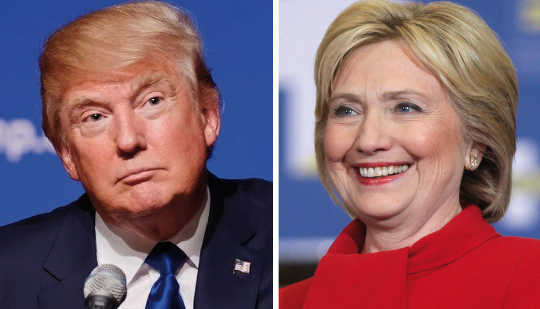 In a US presidential election year, Labor Day (the first Monday of September) marks the traditional start of what the Americans call the “fall campaign”.
 From media and money to political polarization, the 2016 United States presidential election is rewriting the rules of the game, says Nate Persily, a law professor of law at Stanford University.
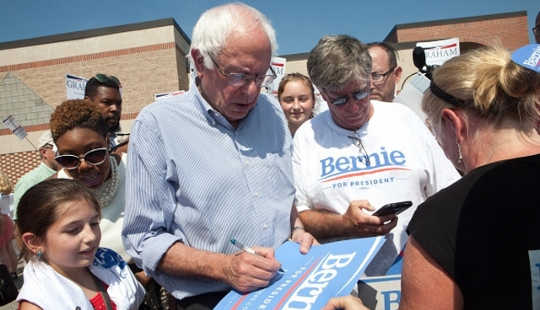 From Washington state to South Dakota, voters are pushing for public-matching systems to replace the influence wealthy bankrollers have on government.