


Can You Really Change the World Starting With One Choice?
The world feels broken, but what if the solution isn’t out there—it’s within you? Every thought, every reaction, every choice shapes…

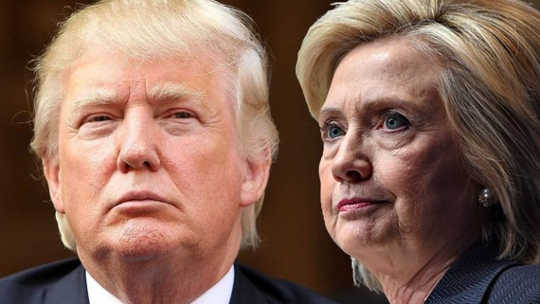 For the past 10 months, Donald Trump has been a political enigma. Against the predictions of journalists, policy wonks and odds makers, a tabloid darling with no political experience and few coherent policies is now poised to be the Republican nominee for president.
 Describing poverty as a "death sentence" for millions of Americans each year, Sanders supporters remain inspired by his call for a politics from below
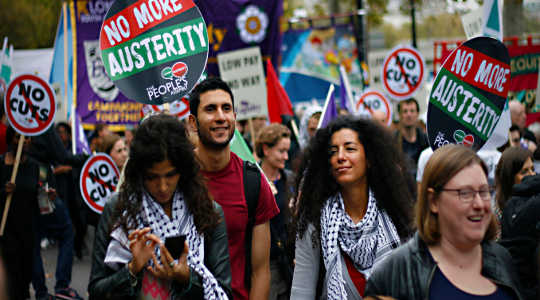 We are witnessing a crisis of representative democracy in most European countries. As I argued in “On the Political”, this is the outcome of the “consensus at the centre” established under the neoliberal hegemony between centre-right and centre-left parties.
 Having outlasted all his opponents, Donald Trump is the presumptive nominee of the Republican Party. Hillary Clinton is closing in on locking up the Democratic nomination.
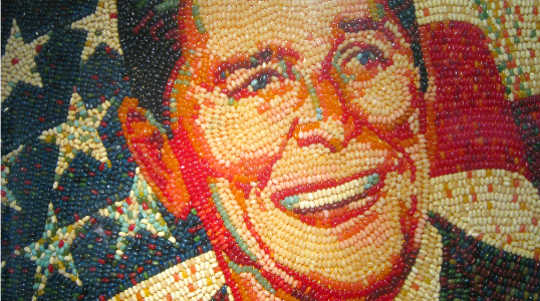 Now that Donald Trump is the presumptive Republican presidential nominee, we are likely to get all sorts of mainstream media analysis about how his narrow pathway to Election Day victory runs through white working-class America, the way Ronald Reagan’s did, while the presumptive Democratic nominee, Hillary Clinton, must corral young people, minorities and the well-educated.
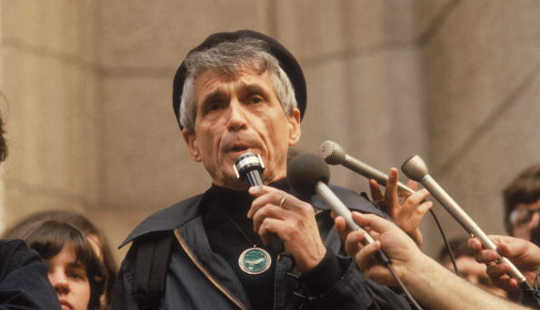 After being sentenced to three years in prison for his part in the 1968 burning of stolen draft files in Catonsville, Maryland, Rev. Daniel Berrigan went underground, evading capture by the FBI for four months.
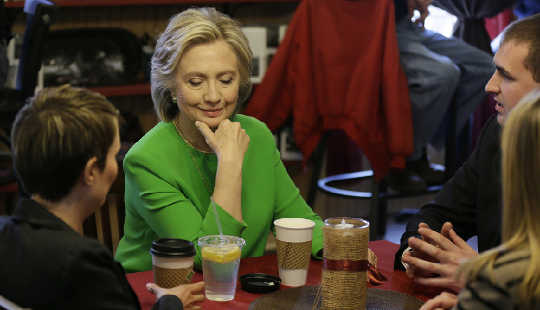 At a recent “Town Hall” debate Hillary Clinton announced that she would appoint a cabinet that is half female if she is elected president. When questioned by MSNBC host Rachel Maddow, Clinton pledged: “Well, I am going to have a cabinet that looks like America, and 50% of America is women, right?”
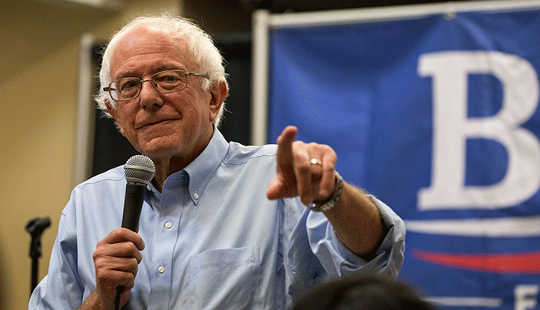 The race for the Democratic presidential nomination has pitted a dreamer against a realist, right? Bernie Sanders is the unrealistic one, and Hillary Clinton, the pragmatist, is the candidate who can get things done, right? But...
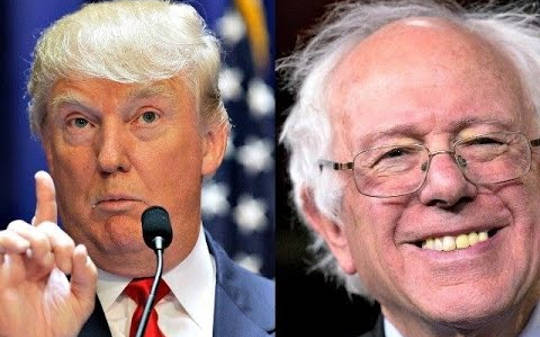 Will Bernie Sanders’s supporters rally behind Hillary Clinton if she gets the nomination? Likewise, if Donald Trump is denied the Republican nomination, will his supporters back whoever gets the Republican nod?
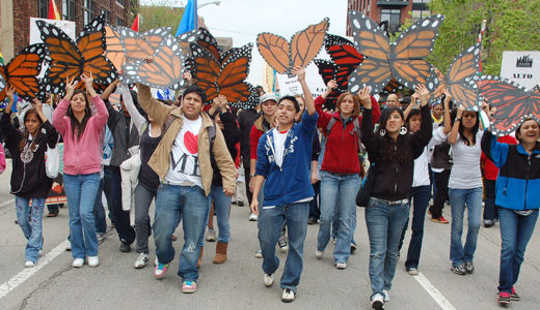
It's often forgotten, but the May Day holiday, the original, real, workers' holiday, originated in the U.S. And specifically it originated to honor the memory of labor's four martyrs unjustly sent to the gallows, in an atmosphere of hysteria and anti-worker oppression after the so-called Haymarket "riot" of 130 years ago, on May 4, 1886.
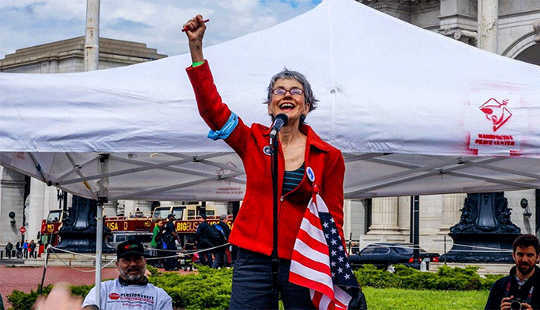 It was the most important day of my life. I walked up to the Capitol building and sat on the steps with more than 400 people. When asked to move, we refused and were arrested. We committed nonviolent civil disobedience together to protest the power of money in politics and support the restoration of real democracy.
 If you had the opportunity to vote for a politician you totally trusted, who you were sure had no hidden agendas and who would truly represent the electorate’s views, you would, right?
 “Bernie is doing well but he can’t possibly win the nomination,” a friend told me for what seemed like the thousandth time, attaching an article from one of the nation’s leading newspapers showing how far behind Bernie remains in delegates.
 The kid was not your typical feminist. Granted, he did stand out for a 20-something living in central Maine. In these parts, his male peers’ uniform tends to be Carhartts, work boots, a beard, and a woolen cap. This fellow slinked up to the microphone in skinny suit pants and a hipster jacket.
 Young Americans don’t care much for political parties. According to the Pew Research Center, 48 percent of millennials (ages 18-33) identify as independents. That’s almost as many as identify as Democrats (28 percent) and Republicans (18 percent) put together.
 Talk of changing pensions connects with us at an emotional level – how secure do our futures look? And crucially, how much power do we have over this process? It is a tricky business for the Treasury, too, as its recent retraction of the pensions review, due to feature in the spring budget, shows.
 Third parties have rarely posed much of a threat to the dominant two parties in America. So how did the People’s Party win the U.S. presidency and a majority of both houses of Congress in 2020?
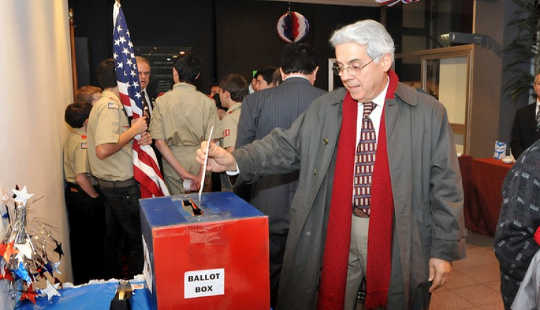
The founding fathers minced no words about their distrust of the masses. Jefferson insisted, "Democracy is nothing more than mob rule.”
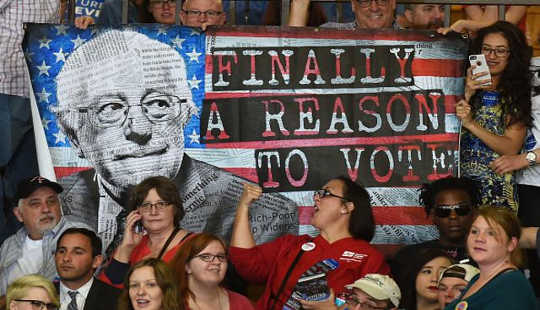 The world is currently transfixed by the spectacle of American elections. From New York, London and Paris to Beijing, Moscow, and Sydney there is endless heated debate in the news media and across dinner tables about the factors fueling the remarkable success of Donald Trump
 For the roughly 2.2 million people incarcerated in U.S. prisons and jails, daily life is often violent, degrading, and hopeless. In a 2010 study of inmates released from 30 prisons, the federal Bureau of Justice Statistics found that more than three-quarters were arrested for a new crime within five years of being freed.
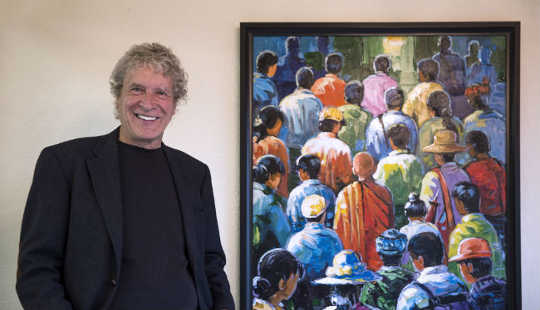 Twelve years ago, John Perkins published his book, Confessions of an Economic Hit Man, and it rapidly rose up The New York Times’ best-seller list. In it, Perkins describes his career convincing heads of state to adopt economic policies that impoverished their countries and undermined democratic institutions. These policies helped to enrich tiny, local elite groups while padding the pockets of
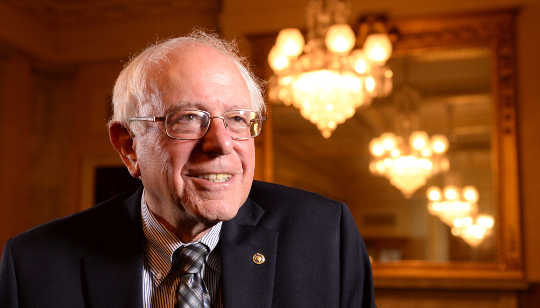 Whatever slim chance Sanders had to capture the nomination ended when Hillary Clinton won convincing victories in the key March 15 primaries. Clinton finished the night with an insurmountable lead of more than
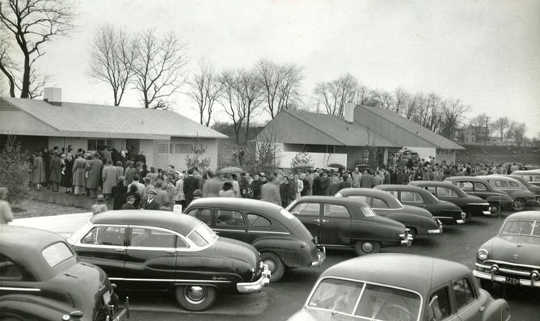 The Flint water crisis and the sad story of Freddie Gray’s lead poisoning have catalyzed a broader discussion about lead poisoning in the United States. What are the risks? Who is most vulnerable? Who is responsible?