Can You Really Change the World Starting With One Choice?
The world feels broken, but what if the solution isn’t out there—it’s within you? Every thought, every reaction, every choice shapes…


Anyone who has raised children or grown up with siblings knows there are some bumpy times in a child’s life.
 Primary care providers and pediatricians may be less confident than child and adolescent psychiatrists in their ability to tell whether irritability in young patients is normal or could be linked to deeper mental health issues, a new study suggests.
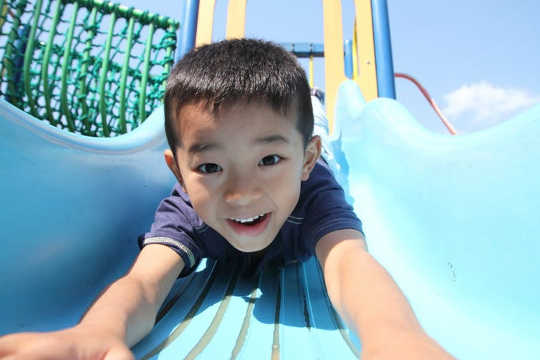
The idea that four-year-old boys have a spurt of testosterone is often used to explain challenging behaviour at this age. But how did this idea come about? Is there any truth in it? And if not, what else could explain their behaviour?

Before the 1980s, clinicians actually performed surgery on newborns without giving them anaesthetics or pain medications.

Ask your children two simple questions: "What is a happy home like?" and "What makes our home feel good?" The answers are usually about small, everyday things. Almost never have children mentioned exotic trips, pools, large houses, or expensive clothes or toys.

Certainly, in our role as parents, teachers, or care-givers, we watch as our children are shaken up by the inescapable barrage of scary news involving death, bombs, enemies, and the like. They are frightened and confused...

As parents, our desire and role is to have children who have a positive sense of self, feel fulfilled and can lead a positive life with the ability to thrive on their own after leaving the nest. We want to give them necessary tools to move easily through challenges in life and create the best life they can.
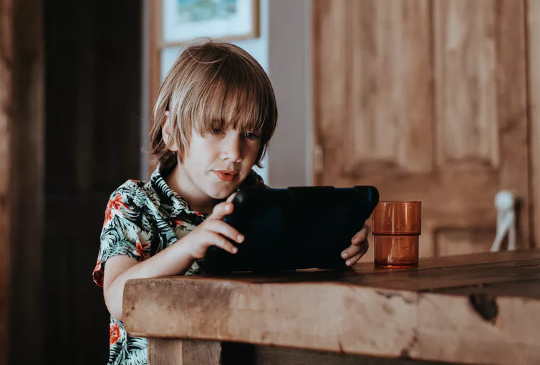
Every day, we have to remember intentions to perform specific tasks in the future. We may need to remember to buy milk on the way home from work, to return a book to the library next week, or take a certain pill at 8am every day. Psychologists call this “prospective memory”.
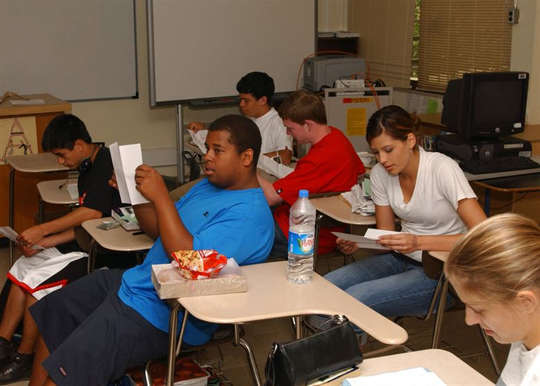
It is possible to eliminate war and destruction, if we start with our youth, educating them to understand the conditioning that teaches them to hate those different from themselves. If we teach our children to understand the barriers to peace and the skills to resolve conflict, we have invested in our future. We've invested in a peaceful world. We need to start somewhere. We can begin in our homes and our schools. Plant the seed, nurture it and watch it grow.

Parent behavior may affect how well children with certain behavioral problems like attention deficit hyperactivity disorder, ADHD, perform in school, a new study suggests.
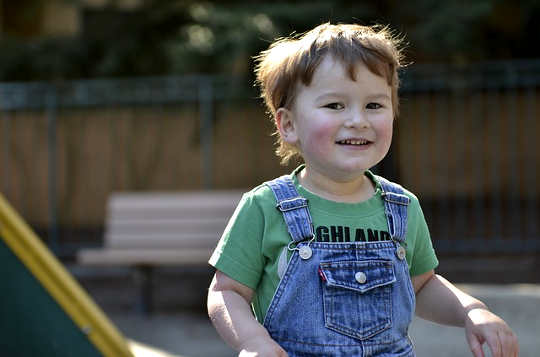
Being bilingual may make it easier for children with Autism Spectrum Disorders (ASD) to switch gears from one task to another, according to a new study.
 Children as young as five may have already formed distinct emotional reactions to spending and saving money, a new study suggests.
 If you grew up in a home where you were either neglected or constantly on the losing end of a win-lose situation, you will be trying to build responsiveness and responsibility in yourself at the same time that you try to maintain it in your household -- not an easy task by any means, but one you can handle.
 Knowing how to navigate the online social networking world is crucial for parents and teens. Being educated and talking about online experiences can help reduce any negative impacts on youth mental health and well-being.

Standardized tests have become the primary tool for determining a student’s academic ability. Legislators and administrators use test data to evaluate the effectiveness of schooling on children and create curriculum.
 Our indigo kids' are deeply committed to be who they came here to be, and that is likely different from anything that has come before them. It may challenge us as parents, teachers, counselors, and adults, but it is our work to help them find their way in this world. Of course, I would be lying if I...

Teenagers, teenagers, teenagers!! Oh how we rack our brains trying to be the best possible parents. And no matter what we do, it seems we can never get it quite right!
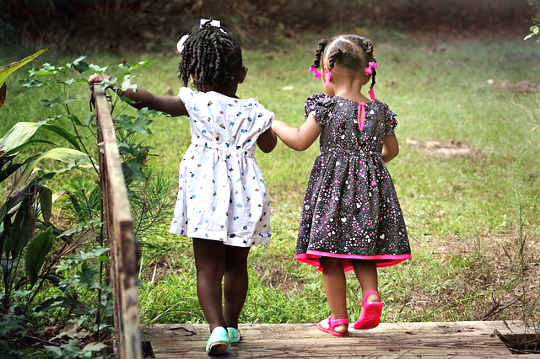
Unlike the childhood experiences of so many of us in the “baby boom” generation, who were raised, at best, to ignore our telepathic abilities and our spiritual, non-physical perceptions–or, at worst, to fear them–there are children now all over the world, including in western cultures, who are being raised consciously.
 All children need to see inspiring, courageous characters–who look like them–in literature.
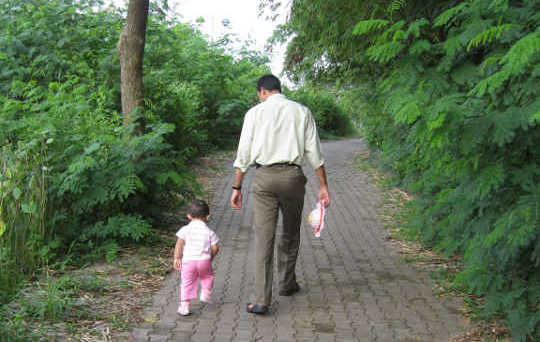
In the month of June, we celebrate Father’s Day, which provides me another opportunity to reflect on my own role as a parent. Of all my roles—daughter, sister, wife, friend, professor—the most profound for me has been parenthood. It has been my greatest gift...
 Adults whose parents separated during their childhood have an increased risk for poorer health, but experts haven’t understood why.
 I believe it is important for every parent to keep in their heart the possibility that their child might one day “come out” to them. Barry and I were totally surprised when our son came out to us when he was nineteen. We had no idea.
 I can remember like yesterday sitting at the dinner table as a child with my parents and siblings and feeling like the world was going to end. My parents would openly discuss current events. I thought to myself what will be in this world? How will I be safe? What can the future look like when these terrible things are happening all the time?