Can You Really Change the World Starting With One Choice?
The world feels broken, but what if the solution isn’t out there—it’s within you? Every thought, every reaction, every choice shapes…


There are ways to ease the transition back to school for kids, parents, and caregivers during the COVID-19 pandemic.

Having kids wearing a mask doesn’t have to be a daily battle, says a nursing expert.

During the first few months of 2003, I was taught something remarkable by 123 children, from 2 to 13 years of age. There is something remarkable about kids: they experience life in a way that expresses deep and profound wisdom. Their wisdom is born of their own connection to life and to living things.

The most important job a person can have is to teach another. Educators have a great responsibility toward those they teach, because everything they do and say has a lifelong impact upon their students. For this reason, it is very important that the children and youth be empowered by allowing them to make their own decisions...
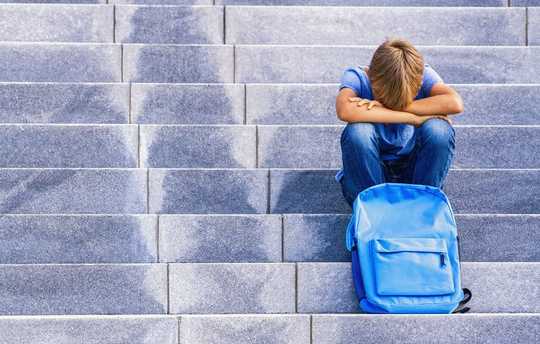
As COVID-19 lockdown measures are lifted, some children may experience social anxiety about the prospect of returning to school.

Bonding gives an intuitive, extrasensory kind of relationship between mother and child. Bonding is a felt process, not available to discursive thought, language, or intellect. It is a communion that bypasses our ordinary reasoning mind. The mother senses the infant's need to evacuate the same way she recognizes her own bodily needs, but the communion of bonding goes beyond just physical processes.
There are many parents who would never imagine that their child doesn't have the nerve to talk with them. When I first created my school programs more than twenty years ago, I was amazed at how many thousands of children told me they felt this way and hadn't let their parents know. How close do you think your child feels to you?
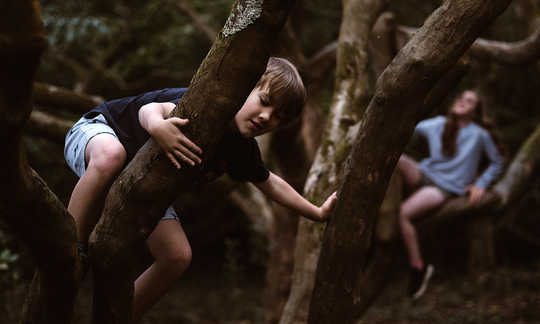
Some people are lucky enough to look back at their childhood with affection for a time in life without much stress and anxiety.
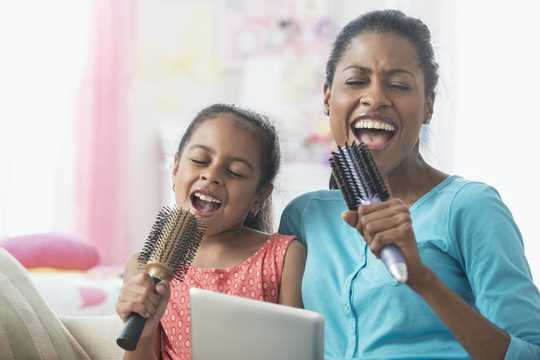
Parenting musically is the way I describe what happens when moms and dads use music for many nonmusical tasks and goals.

With governments around the world asking their citizens to avoid places, activities and gatherings to save lives, this just might be the largest ever international effort to self-regulate our actions against competing desires and impulses.
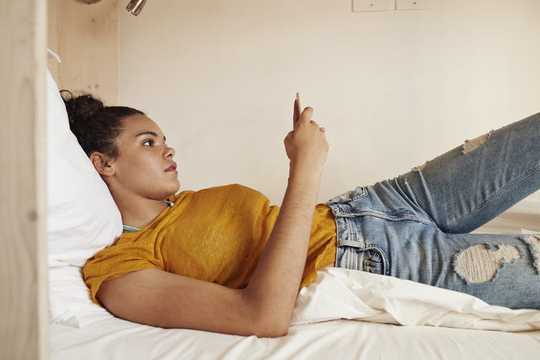
With many college students forced to return home due to the COVID-19 pandemic, tensions and arguments are bound to flare up.

About 55 million U.S. schoolchildren attend schools that have been closed or are being directly affected by the new coronavirus social distancing rules.
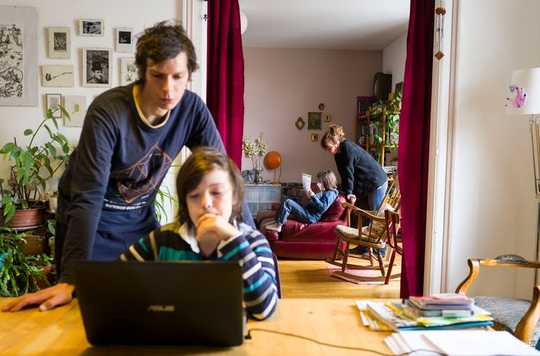
Parents have always helped with homework and made sure their children fulfill responsibilities like chores, but the extended and often unstructured time families are spending together during the current crisis creates new challenges.
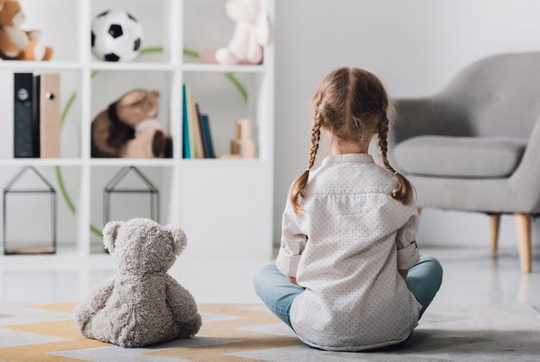
Earlier that day her swimming and basketball lessons were cancelled, a birthday party postponed, and she had to race with me between several meetings before the university campus shut down. “Stupid coronavirus indeed!”
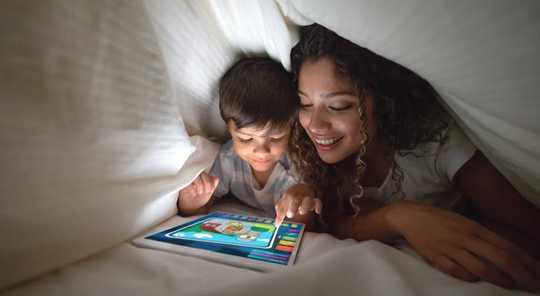
As families everywhere adjust to social distancing measures like closed schools and child care centers, workplaces and more, parents are grappling with questions regarding their kids’ use of technology.
For years, psychologists, educators and church leaders have warned about subversive and decadent influences on children in our society -- the internet, pornographic literature and films, violent video games, raunchy TV, and so on. It's an old story: the more sexually perverted the entertainment, the more teenagers watch it, and the higher the ratings and the profits.
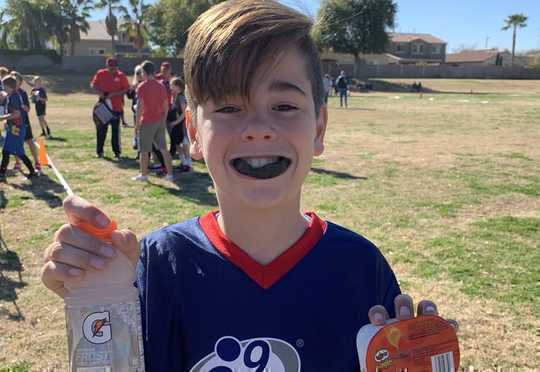
Research has shown that youth who participate in sports leagues are eight times as likely to be active in their early 20s than those who don’t participate.

About one-third of women using contraception use the pill. But how effective is it?
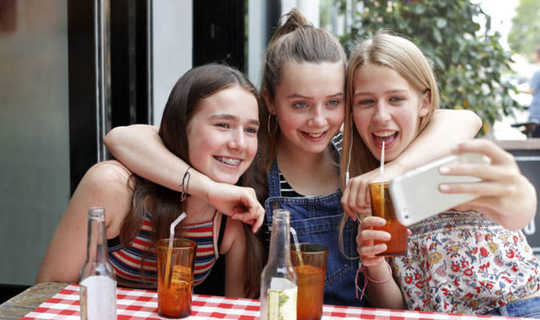
Major depression among teen girls in the U.S. increased even more – from 12% in 2011 to 20% in 2017.

With art, you have all the colours in the world to share your thoughts,” wrote one youth in the Holistic Arts-based Program at Laurentian University.
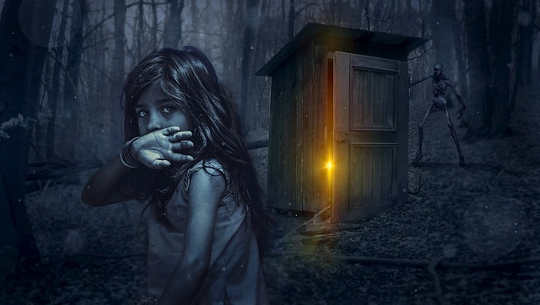
A common childhood fear is fear of the dark. Many children become terrified of the dark and can't go to sleep in a darkened room alone, convinced the "bogeyman" or some other night creature is waiting in the shadows to get them. I had a client whose son was terrified...

Disturbing events related to cyberbullying in recent months and years have raised great concern among parents, youths and educators regarding the everyday lives of children in online spaces

Disappointment is a natural human emotion that occurs after a perceived failure.