

Can You Really Change the World Starting With One Choice?
The world feels broken, but what if the solution isn’t out there—it’s within you? Every thought, every reaction, every choice shapes…


As a parent of an estranged adult child attempting to repair the rupture and reconcile, what do you need to consider or do to make that happen? What needs to be in place for your reconciliation efforts to be successful?

How having conversations with children builds their language — and strengthens family connections
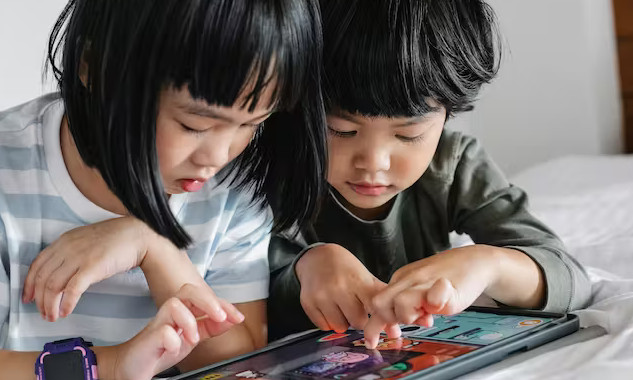
Many parents worry about how much time their children spend watching screens. While some time on devices is fine for entertainment and education, we also know it is important children do things away from TVs and devices.
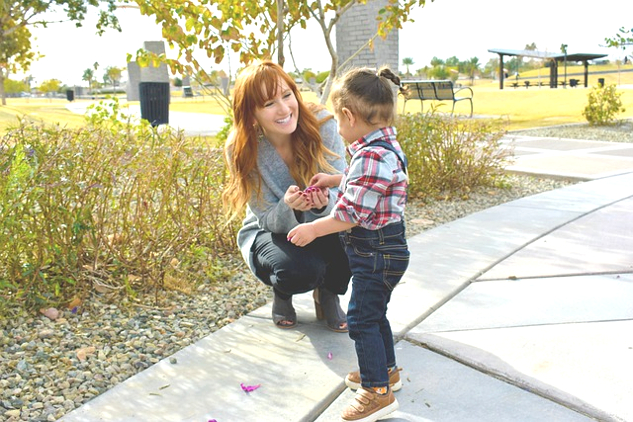
My child’s pain is always calling me into a new relationship with my highest intentions. The difficulties I encounter smooth the rough edges of my heart and mind, giving me more wisdom, balance, and capacity as long as I have the courage to be near the pain.

I had longed to be a mother and felt so fortunate that I was afforded the luxury of being home with her. So against all my feminist leanings, we settled into very traditional family roles, with me spending a lot more time with Sammi than he did.
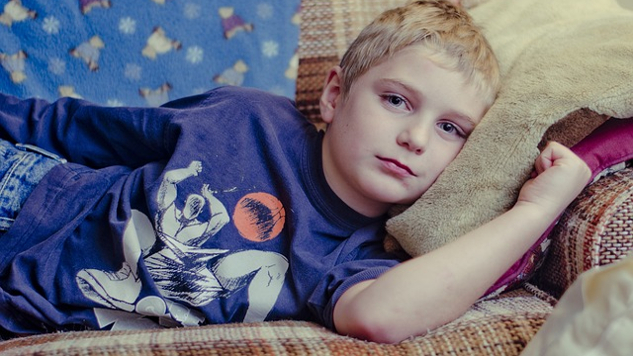
All parents I know have gone through hard times with their children. And the holidays with either unexpressed or expressed expectations add more pressure to the family system.

The thing about divorce that is hard to remember is that as much as it is happening to you, your partner, and your children, it’s also happening to everyone else in your little world. Your friends, your extended family, everyone is affected.

States sue Meta for knowingly hurting teens with Facebook and Instagram ? here are the harms researchers have documented

I’ve decided to write a letter to my daughters in 2050. But when I pick up my pen, I can’t do it. My brain is too crowded with images of a mid-century that I may not live to see.

The origins of obesity are deep and wide, beginning at conception and even earlier. To consider an individual with obesity, we need to view that person as a biological, emotional, and spiritual being in a historical and social context.

A key finding of our Australian Child Maltreatment Study, published in early 2023, is that emotional abuse is widespread and associated with similar harms as sexual abuse.

In her book, Parenting on Earth, philosopher and mother Elizabeth Cripps argues that to do right by their kids, parents must also attempt to do something about the problems caused by climate change.

Everyone has one, but you might not know much about it. Biologist Sarah Leupen explains the ins and outs of belly buttons.

It’s a well-established fact that children’s and teens’ mental health took a hit during the pandemic. But new research suggests that teen girls in particular are suffering in unprecedented ways.

We are the ones who make the choices and convey the lessons—by word and deed, wittingly and unwittingly—that shape a young person’s ethics and values, point of view, and priorities.

Some of you might be thinking, "I'd love to start dating, but who would want to date someone with four children, a dog, and two parakeets?" Don't assume just because you have children, you're less desirable. There are plenty of people who like children and who want to date someone with children.

The bullying paradigm has parents, teachers and coaches believing they must be tough to the point of emotional abuse in order for children to acquire grit and resilience.

Emotions are tricky things. They allow for humans to fall in love, wage war and, as it turns out, engage in self-harm.

Just as an infant knows to tune into her mother's voice, an adolescent knows to tune into novel voices. As a teen, you don't know you're doing this. You're just being you. Your mind is increasingly sensitive to and attracted to these unfamiliar voices.

The Russian invasion of Ukraine is a bitter reminder that there is no end to the horrific suffering that humans are sometimes willing to inflict on others.
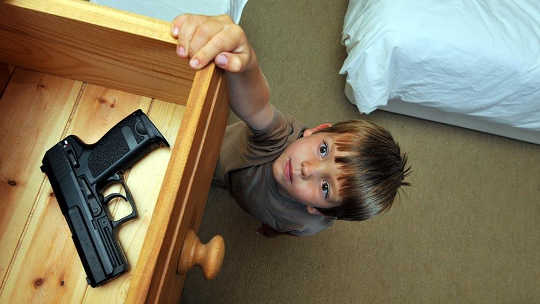
Firearms have surpassed motor vehicles as the leading cause of death among children and adolescents in the United States, according to a new analysis of federal data.

Teens are more likely to report psychosomatic symptoms, a combination of physical and psychological complaints, if they exceed two hours of screen time and these effects were similar regardless of physical activity levels.