


Can You Really Change the World Starting With One Choice?
The world feels broken, but what if the solution isn’t out there—it’s within you? Every thought, every reaction, every choice shapes…

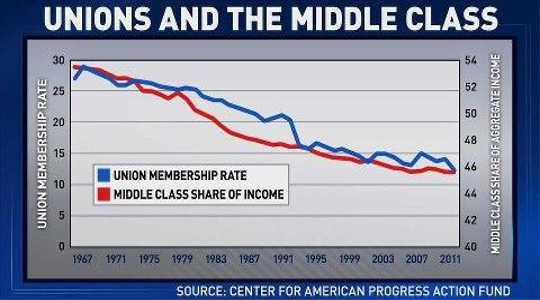 A dramatic decline in the density of US labor unions since the 1970s has resulted in lower wages for both union and nonunion workers, a new study suggests.
 What can be done to deter pharmaceutical companies from jacking up prices of critical drugs? To prevent Wall Street banks from excessive gambling? To nudge CEOs into taking a longer-term view? To restrain runaway CEO pay?
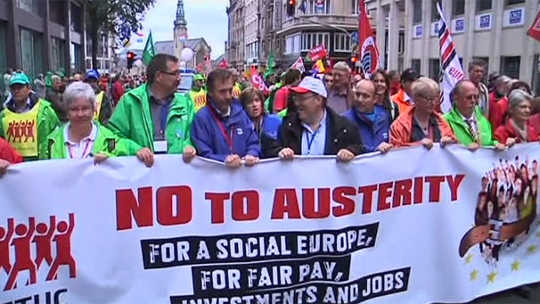 Leading economic think-tank the institute of Fiscal Studies has warned that “middle-income families are the new poor” – a damning indictment of the way poverty in Britain has spread far beyond groups that are traditionally considered poor.
 Inequities in wealth and income are one of the biggest social, economic and political challenges of our time. It’s important to address these inequities for three key reasons.
 Despite the United Nations Millennium Development Goal of a 75 percent reduction in maternal deaths by 2015, the estimated maternal mortality rate for 48 US states and the District of Columbia actually increased by 26.6 percent from 2000 to 2014.
 Earlier this year, I wrote about a cache of bitter writings by Woody Guthrie that I had discovered while conducting research for a book on the balladeer.
 Here are some conclusions from a recent economics research paper. Do you think the authors are from some left-leaning think tank full of malcontents?
 In business the concept of happiness is likely to make some groan, roll their eyes or be dismissive. But increasingly we can’t ignore the evidence that it helps business.
Your typical wage is below what it was in the late 1970s, in terms of what it can buy. Two-thirds of you are living paycheck to paycheck. Almost 30 percent of you don’t have steady employment:
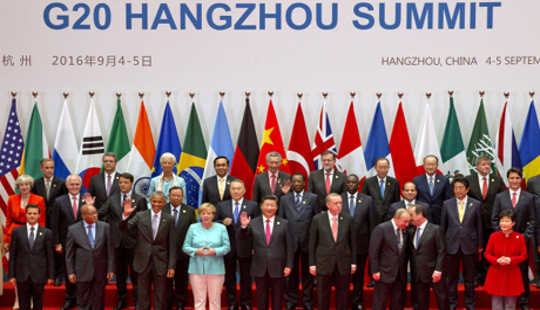 As the leaders of the world’s 19 biggest economies and the European Union meet in the beautiful southern Chinese city of Hangzhou for the culmination of China’s year at the helm of the G20, it pays to ask exactly what they’re doing – and why it matters.
 When it comes to their wages, McDonald’s workers around the world are not “Loving It” – and they haven’t been shy about expressing their discontent over the past four years.
 Free trade is figuring prominently in the upcoming presidential election. Donald Trump is against it. Hillary Clinton has expressed qualms.
 Labor Day is a U.S. national holiday held the first Monday every September. Unlike most U.S. holidays, it is a strange celebration without rituals, except for shopping and barbecuing. For most people it simply marks the last weekend of summer and the start of the school year.
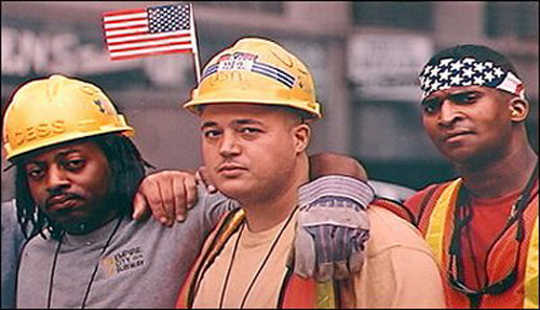 The labor question is back. After World War II, it seemed to many that widespread unionization and collective bargaining had made sure that the people who did the work in this country were getting a fair share
 While commanding four vessels sailing between England and India in 1601, Captain James Lancaster performed one of the great experiments in medical history.
 On Labor Day, politicians have traditionally paid lip service to the plight of the worker, whom the national holiday is meant to honor. With working-class struggles taking center stage in this year’s election
 For years, Washington lawmakers on both sides of the aisle have attacked big corporations for avoiding taxes by parking their profits overseas. Last week the European Union did something about it.
 Every presidential election cycle, journalists descend on the ever-reliable swing state of Ohio in an attempt to play prophet.
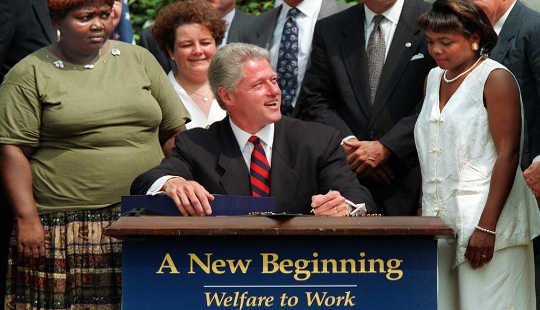 A recent UNICEF report found that the U.S. ranked 34th on the list of 35 developed countries surveyed on the well-being of children.
 The rising price for EpiPens, a drug delivery system that is crucial for persons experiencing potentially life-threatening allergic reactions, has resulted in outrage.
 Here’s what today’s nontraditional workers are doing to build democratic, worker-led communities within the growing gig economy.
 Since the Affordable Care Act – or what many call Obamacare – has been labeled a failure since the day it started, according to some political types, it’s difficult to know if the recent defections by large insurance companies are really a death knell or just growing pains.
 Immigrants have become a major scapegoat in recent years for sputtering Western economies.