

Can You Really Change the World Starting With One Choice?
The world feels broken, but what if the solution isn’t out there—it’s within you? Every thought, every reaction, every choice shapes…

 On Sunday, for a brief, shining moment, renewable power output in Germany reached 90 percent of the country’s total electricity demand.
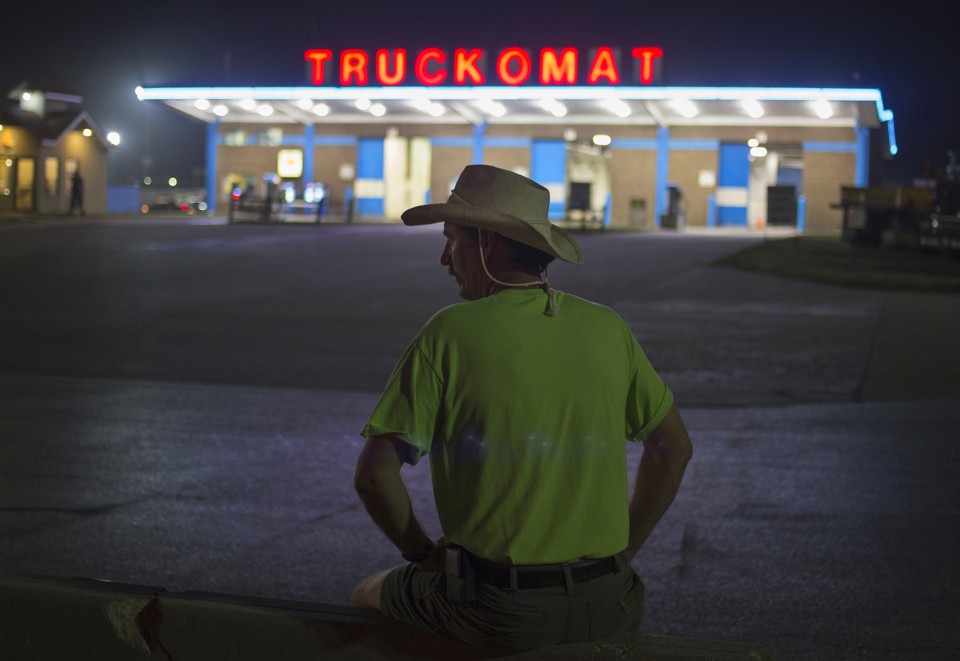
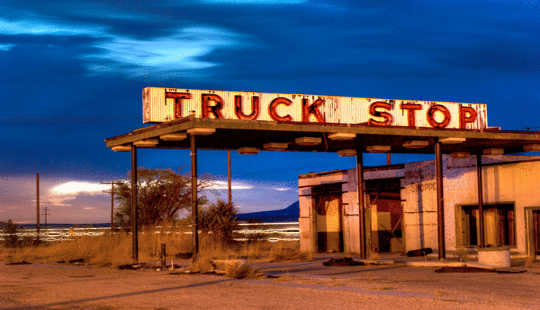
I met Claudio at a Midwestern truck stop just before the Great Recession. At the time, I was a sociology grad student trying to understand how long-haul trucking had gone from one of the best blue-collar jobs in the U.S.
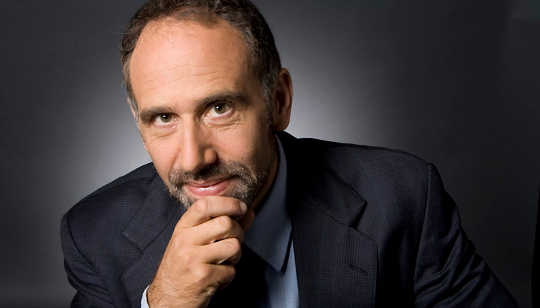 I see Greg Mankiw used his NYT column to tell folks that politicians are spinning tales when they say the economy is rigged. I would say that economists spin tales when they tell you it is not. (Mankiw and I just ran through this argument on a panel in Boston last week.) Let's quickly run through the main points.
 I’m going to let you in on a little secret about the Internet: Big cable companies hate it. That’s a bad thing because for most Americans big cable companies are the on-ramps to the wired world.
 "The socioeconomic profile of a district is a powerful predictor of the average test score performance of students in that district," says Sean Reardon. "Nonetheless, poverty is not destiny: There are districts with similarly low-income student populations where academic performance is higher than others."
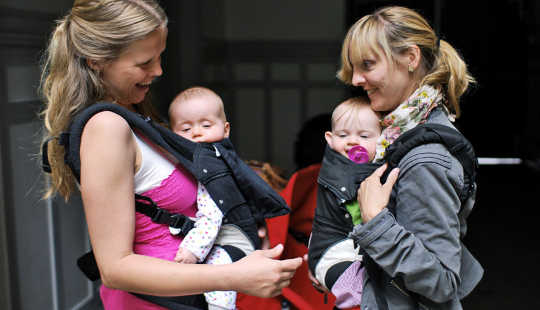 "Children do not kill careers, but the earlier children arrive the more their mother's income suffers. There is a clear incentive for delaying," says coauthor Raul Santaeulalia-Llopis.
 Most small farms have to follow the same rules as big corporate ones. In Maine, flexible food ordinances have increased the number of small farmers.
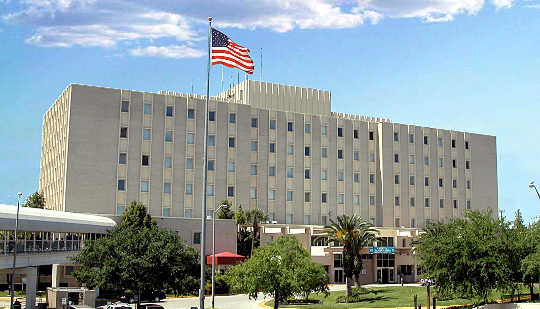 There are few areas where there is more bipartisan support than the need to provide adequate health care for the country's veterans. While many of us opposed the war in Iraq and other recent military adventures, we still recognize the need to provide medical services for the people who put their lives at risk.
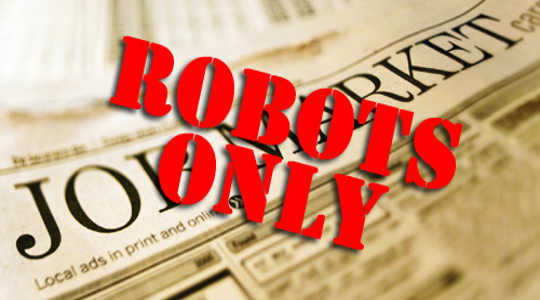 If you put water on the stove and heat it up, it will at first just get hotter and hotter. You may then conclude that heating water results only in hotter water. But at some point everything changes – the water starts to boil, turning from hot liquid into steam. Physicists call this a “phase transition.”
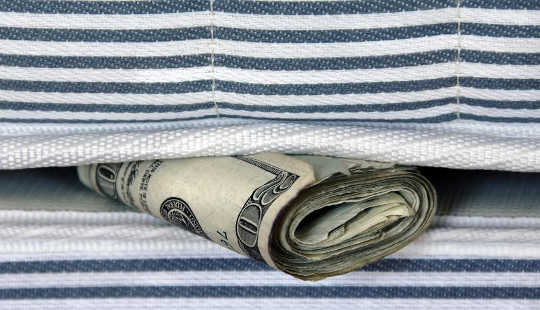 Exposing tax dodgers is a worthy endeavor, but the “limited hangout” of the Panama Papers may have less noble ends, dovetailing with the War on Cash and the imminent threat of massive bail-ins of depositor funds.
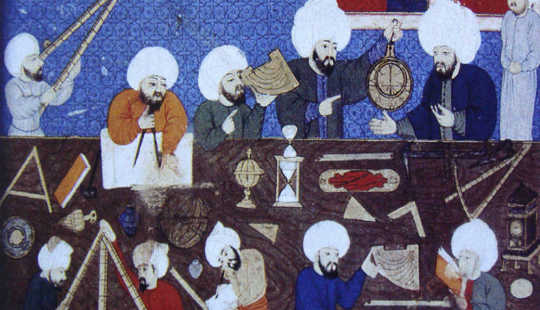 True innovation is hard to find, as few things come out of nothing. Take the now ubiquitous selfie, for example. The format may have changed but the concept of making self-portraits is hundreds, if not thousands of years old. The same is true of many inventions that we typically think of as modern.
 As a chain of volcanic islands, Hawai‘i doesn’t have coal and natural gas readily available to generate electricity. The state depends on oil, shipped in by tanker, to generate electricity. In 2002, Kaua‘i Island Utility Cooperative (KIUC) became the first and only member-owned utility company in...
 Tesla Motors has already established its electric cars as fast, well-sized and capable of competing with petrol cars in how far they can go without needing a recharge. Now, the US firm run by Elon Musk appears to have countered the final remaining negative perception of electric vehicles: price.
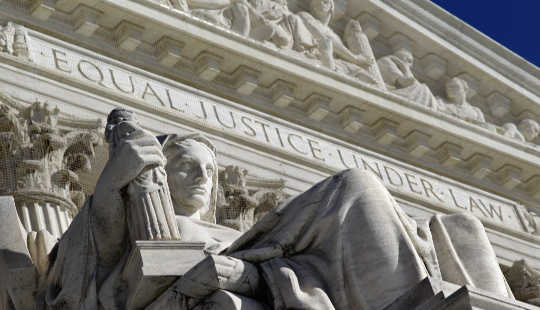 Economic inequality is now firmly on the public agenda as candidates and voters alike look for someone to blame for stagnant wages, entrenched poverty and a widening gap between rich and poor.
 Patients with prostate cancer in England and Wales will now have early access to abiraterone, a drug which can delay the need for chemotherapy. The drug previously cost £3,000 a month, and was not considered “cost-effective” for the NHS until cancers were more advanced – even though patients in Scotland had access to it.
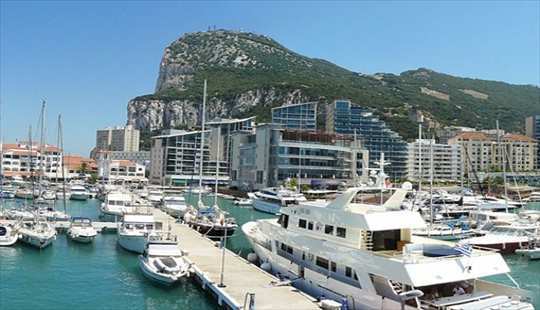 The Panama Papers is a treasure trove of information on the activities and clientele of a large, but not atypical law firm operating in an offshore financial centre. In this case, it is a firm called Mossack Fonseca, based in Panama. It follows a series of spectacular leaks by the International Consortium of Investigative Journalists, including the HSBC files
 From chants of “Drill, Baby, Drill” to outrage over the BP oil spill, offshore drilling has been highly controversial in recent years. Some view it as a vastly underused revenue source, while others see it as a grave environmental threat. In parts of the Gulf of Mexico, drilling continues
When we think about disadvantages and challenges in the labor market, unemployment generally takes center stage, clearly exemplified by the monthly jobs report hype over one stat: the unemployment rate.
 On Wednesday May 30, Emma Johnston, Nalini Joshi and Tanya Monro spoke at the National Press Club for a special Women Of Science event. Here they outline their views on how to promote greater participation by women at the top levels of science.
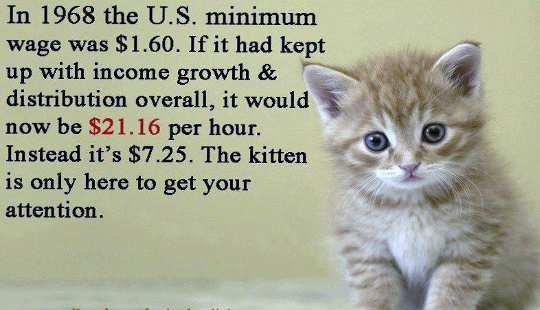 Income inequality in the United States has been a major flashpoint during the 2016 presidential election, with much debate focused on whether America is divided between “the 1 percent” who make up the wealthy elite and the lagging middle and working classes.
 Despite appearances to the contrary, this year’s presidential follies have managed to feature at least a few policy discussions amid all the name-calling. Income inequality in particular has animated voters on both sides of the partisan divide, but the solutions advocated by candidates from each party are markedly different.
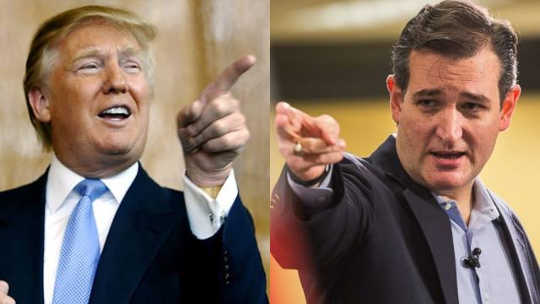 The tax cuts for the rich proposed by the two leading Republican candidates for the presidency – Donald Trump and Ted Cruz – are larger, as a proportion of the government budget and the total economy, than any tax cuts ever before proposed in history.
 In 1983, the National Commission on Excellence in Education published A Nation At Risk: The Imperative for Educational Reform, which documented widespread academic underachievement at every level, concluding: