


Can You Really Change the World Starting With One Choice?
The world feels broken, but what if the solution isn’t out there—it’s within you? Every thought, every reaction, every choice shapes…

 Almost everyone enjoys a bank holiday. A three-day weekend means more time to spend with family and friends, to go out and explore the world, and to relax from the pressures of working life.
 When a person goes to the doctor, there’s usually one thing they want: a diagnosis. Once a diagnosis is made, a path toward wellness can begin.
 Latin America has traditionally been the world’s most unequal region, but it has recently shown signs of change. Through the 2000s, high international prices for exports have brought inequality levels down.
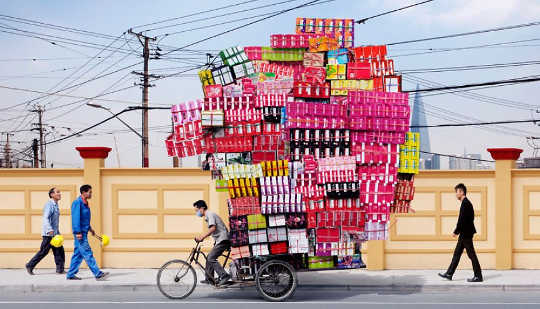 Donald Trump’s candidacy gives rise to many descriptors — authoritarian, bigoted, divisive. It is also the culmination of long-developing dysfunctions of a culture where market values have spread beyond appropriate limits and radically eroded citizenship.
 The U.S. coal industry is in rapid decline, a shift marked not only by the bankruptcy of many mine operators in coal-rich Appalachia but also by a legacy of potential environmental and social disasters.
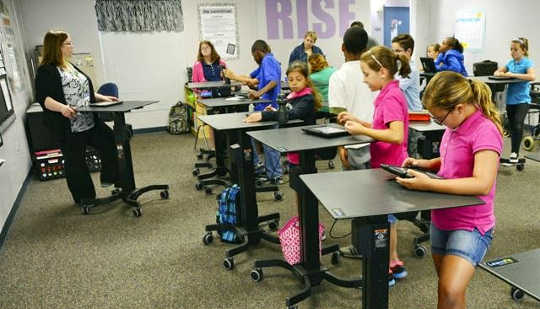 There’s new evidence that standing desks in classrooms can slow the increase in elementary school children’s body mass index (BMI)—a key indicator of obesity—by an average of 5.24 percentile points.
 It took two days for 60 members of the Cowboy and Indian Alliance to plant the heirloom seeds by hand.
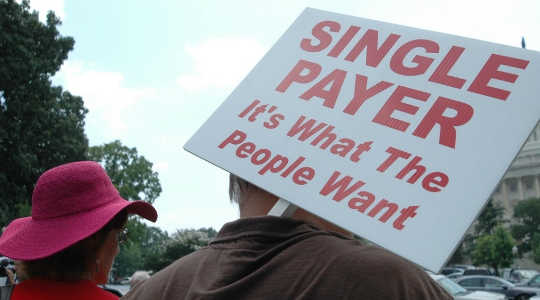 The best argument for a single-payer health plan is the recent decision by giant health insurer Aetna to bail out next year from 11 of the 15 states where it sells Obamacare plans.
 Political polarization today is greater than it’s been in recent history – at least since the 1970s. To see that, one need only look at the current U.S. presidential election.
 Privatization is a policy that has consistently failed but is remorselessly pushed by the political elite. It is little surprise that voters are turning to populism in response.
 Women who need to see the urologist prefer female providers, but there aren’t enough of them to meet that need, a new study shows.
 A new study finds a startling scarcity of children’s books for sale in low-income neighborhoods in Detroit, Washington, DC, and Los Angeles.
 More and more adults are going back to school to learn new skills. The National Center for Education Statistics data show a 7 percent growth in college enrollment for adults over the age of 24 between 2005 and 2015. This is projected to increase to 12 percent by 2019.
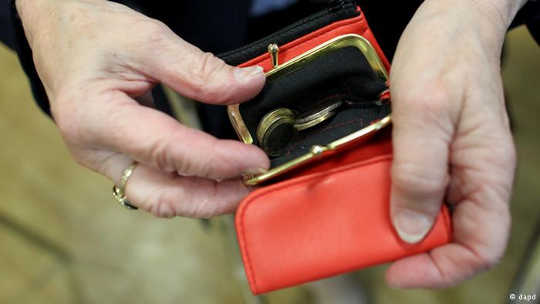 Brexit caps off a turbulent decade for the EU. Many in the eurozone will be hoping that it does not cause further economic turmoil, as it is becoming increasingly clear that the financial crisis of 2008-09 led to a substantial increase in poverty across the continent.
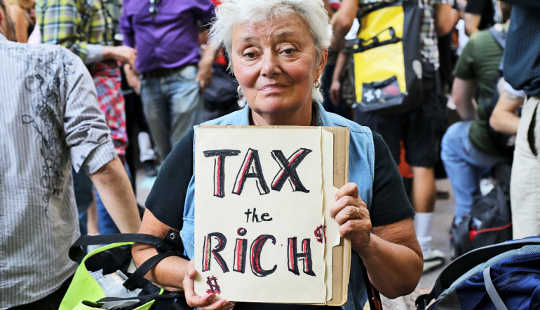 "We should not expect a return to the high top tax rates of the post-war era," predicts Kenneth Scheve.
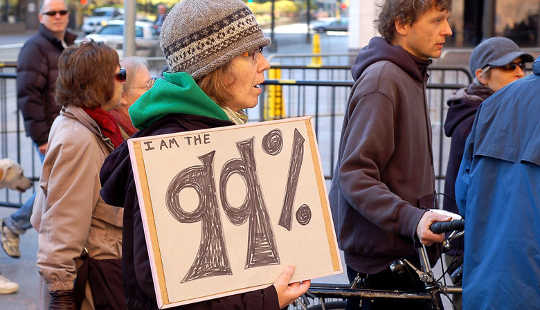 Some 36 percent of all U.S. residents are either financially desperate - meaning they don't earn enough to pay basic bills - or barely getting by, a new international survey says.
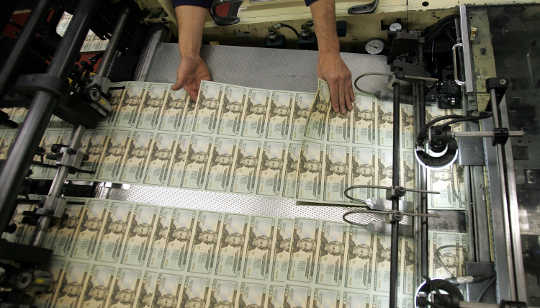 As a student I was taught (and this will date me) that macroeconomics (the study of the economy as a whole) was essentially governed by two alternative views – Keynesianism and Monetarism.
 In her new book,White Trash: The 400-Year Untold History of Class in America, Nancy Isenberg rips apart the myth that the United States is a class-free society where hard work is rewarded by social mobility.
 Austerity does not necessarily have to be neoliberal and neoliberalism does not have any necessary connection to austerity. But taken together they represent a toxic combination, one that attacks us body and soul.
 After a campaign lasting more than a year and taking in all 50 states, Hillary Rodham Clinton has delivered a speech that will go down in history.
 As the spotlight shifts from the Republican to Democratic convention, Hillary Clinton’s plans for health care reform, including a proposed new “public option” for health insurance for some Americans, may draw greater attention from voters.
 Consumers who participate in a company’s “green” programs—like recycling or reusing a hotel towel—are more satisfied with its overall service, a new study suggests.
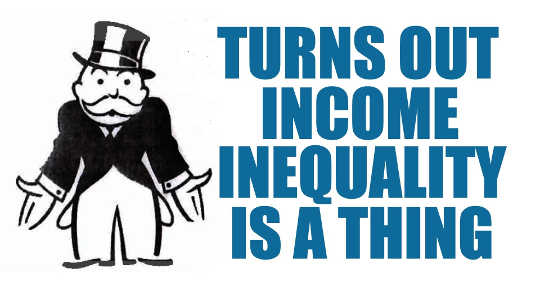 Whether it’s by coincidence or causation, the financial collapse of 2008 and 2009 has resulted in growing angst over income inequality.