


Can You Really Change the World Starting With One Choice?
The world feels broken, but what if the solution isn’t out there—it’s within you? Every thought, every reaction, every choice shapes…


Summer and fall are wildfire season across the western U.S. In recent years, wildfires have destroyed thousands of homes, forced hundreds of thousands of people to evacuate and exposed tens of millions to harmful smoke.

As Hurricane Sally headed for the northern Gulf Coast on Tuesday, September 15, 2020, forecasters warned of a potentially life-threatening storm surge, with water levels that could rise as high as 7 feet in some areas.

What is driving the wildfires that are ravaging California, Oregon and Washington? President Trump and state officials have offered sharply different views.
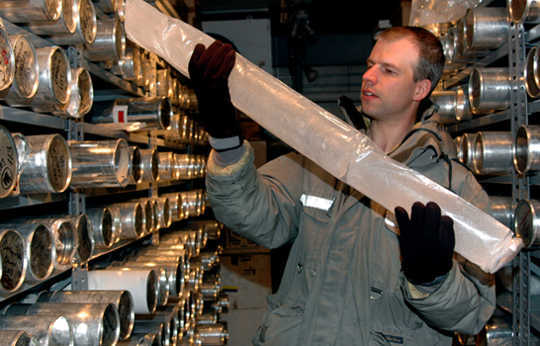
Ice cores are columns of ice drilled through glaciers that are highly versatile and detailed recorders of Earth’s climate and environment that cover hundreds to many thousands of years.

Anyone who’s tending a garden right now knows what extreme heat can do to plants. Heat is also a concern for an important form of underwater gardening: growing corals and “outplanting,” or transplanting them to restore damaged reefs.

Hurricane Laura blew up quickly as it headed for the Louisiana coast, intensifying from a tropical storm to a major hurricane in less than 24 hours.
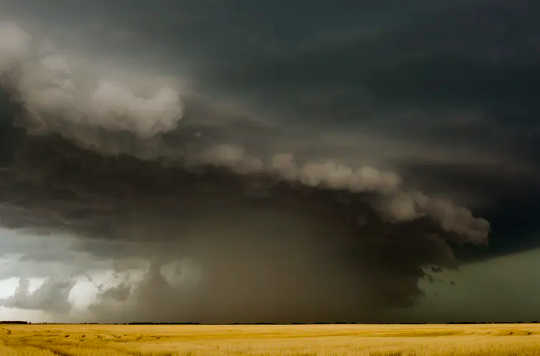
Thunderstorms are common across North America, especially in warm weather months. About 10% of them become severe, meaning they produce hail 1 inch or greater in diameter, winds gusting in excess of 50 knots (57.5 miles per hour), or a tornado.
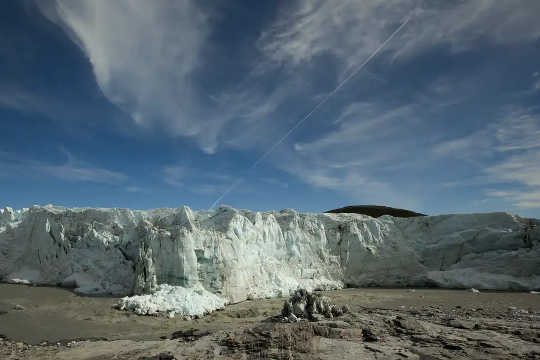
Massive ice-sheets covered northern Europe and northern Asia, and about half of North America, and global sea-levels were as much as 130 meters lower than today.
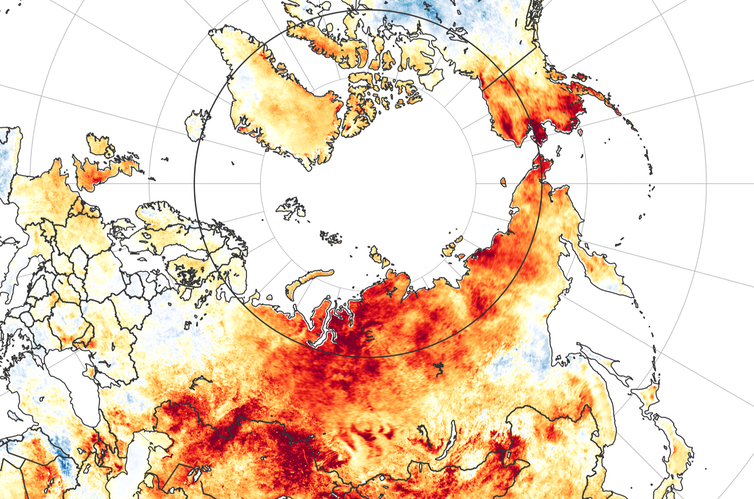
The Arctic heat wave that sent Siberian temperatures soaring to around 100 degrees Fahrenheit on the first day of summer put an exclamation point on an astonishing transformation of the Arctic environment that’s been underway for about 30 years.

Heat may kill more people in the US than previously reported, according to a new study.
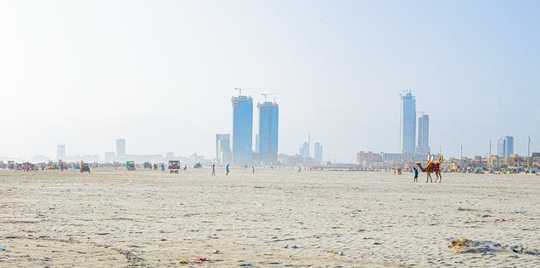
The explosive growth and success of human society over the past 10,000 years has been underpinned by a distinct range of climate conditions.

Up to half of the world’s sandy beaches are at risk of disappearing by the end of this century if no action is taken to limit greenhouse gas emissions.

Successful implementation of the Paris agreement targets could help reduce extinctions considerably, possibly to 16% or less by 2070, according to lead author Cristian Román-Palacios.

Evidence suggests the number of species going extinct, and the rate at which they disappear, is increasing dramatically.
The world’s largest polar research expedition is currently underway in the Arctic. The year-long expedition, known as the Multidisciplinary drifting Observatory for the Study of Arctic Climate (MOSAiC), involves 300 researchers from 19 countries.

Between the summer of 2015 and the spring of 2016, a marine heatwave swept the northern Pacific Ocean that was hotter and lasted longer than any since records began in 1870.

For over a quarter of a century, United Nations climate negotiations have failed to reach a legally binding treaty.

The Australian Medical Association (AMA) recently declared climate change a health emergency, reflecting similar positions taken by a growing list of peak medical bodies around the world.
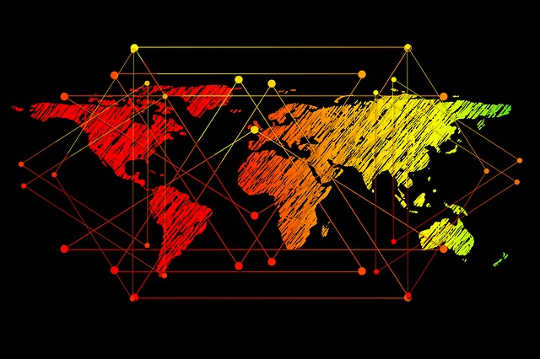
Modern society has given significant attention to the promises of the digital economy over the past decade. But it has given little attention to its negative environmental footprint.

Almost 40% of global land plant species are very rare, and these species are most at risk for extinction as the climate continues to change, according to new research.

People who directly depend on the natural world for their livelihoods, like farmers and fishers, will be among the greatest victims of the climate crisis.

The fossil fuel industry, political lobbyists, media moguls and individuals have spent the past 30 years sowing doubt about the reality of climate change - where none exists. The latest estimate is that

A new modeling approach can help us better understand how policy decisions will influence human migration as sea levels rise across the globe.