

Can You Really Change the World Starting With One Choice?
The world feels broken, but what if the solution isn’t out there—it’s within you? Every thought, every reaction, every choice shapes…

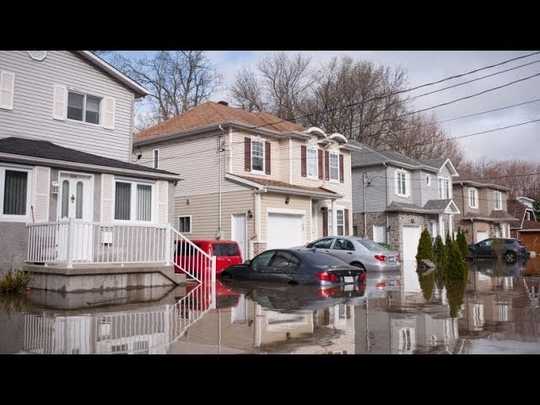
Climate change has fundamentally changed the nature of the risk for homeowners and insurance companies alike.
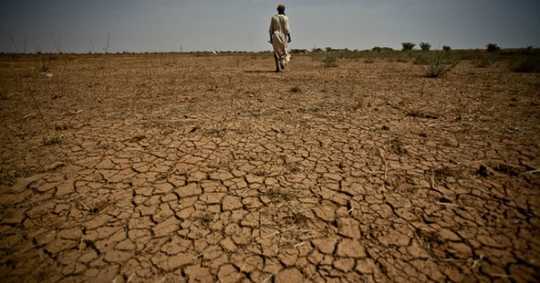
"There is no denying it: The longer we wait to take bold action to curb emissions, the higher the costs will be for all of us."
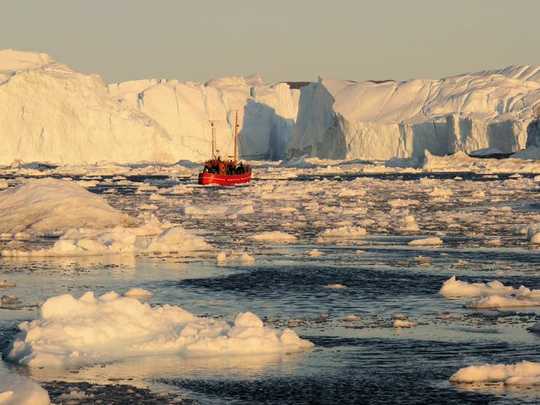
Antarctica is further from civilisation than any other place on Earth. The Greenland ice sheet is closer to home but around one tenth the size of its southern sibling.
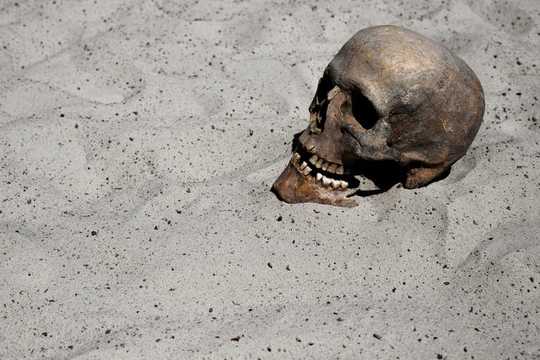
The claim that humanity only has just over a decade left due to climate change is based on a misunderstanding.
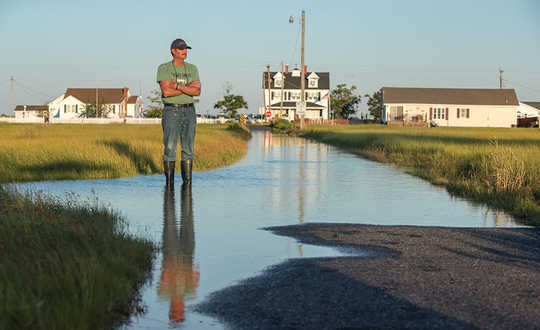
Managed retreat in the face of sea level rise will be a mixed bag, researchers predict.
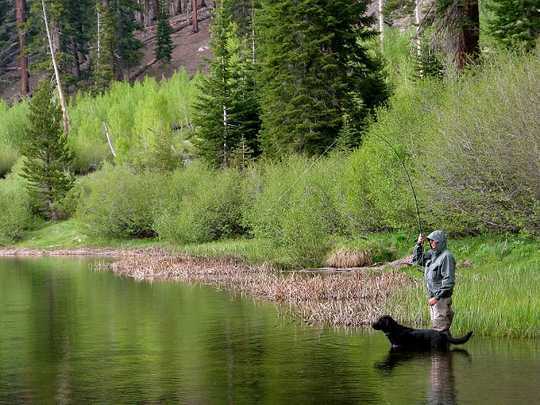
The Sierra Nevada mountain streams that naturalist John Muir extolled are now in peril, research finds.
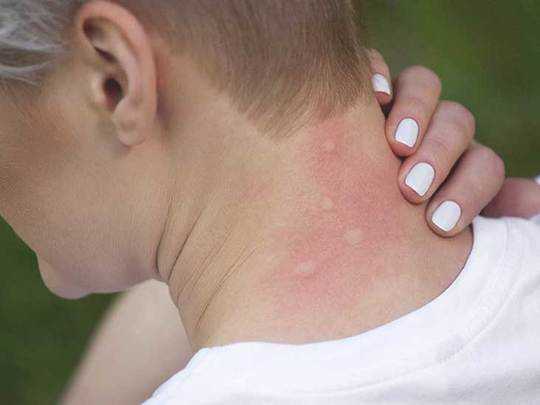
Nearly half a billion more people could be at risk for contracting mosquito-borne diseases in the next 30 years as a result of climate change.
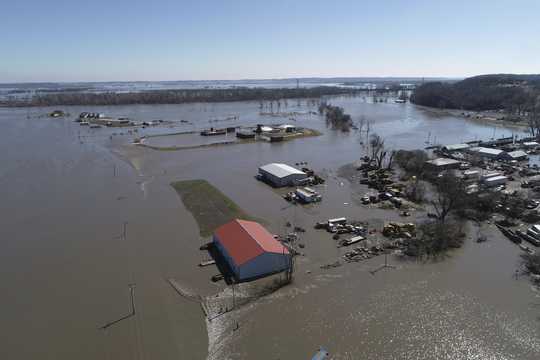
Flooding in the Midwest, triggered by an intense “bomb cyclone,” has devastated parts of the region, which has been plagued by flood events in recent decades.
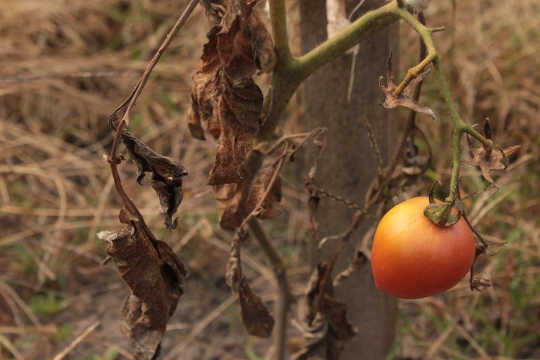
Due to food shortages related to climate change, the Earth may experience a net increase of 529,000 adult deaths by 2050, according to a new review article published in the New England Journal of Medicine.

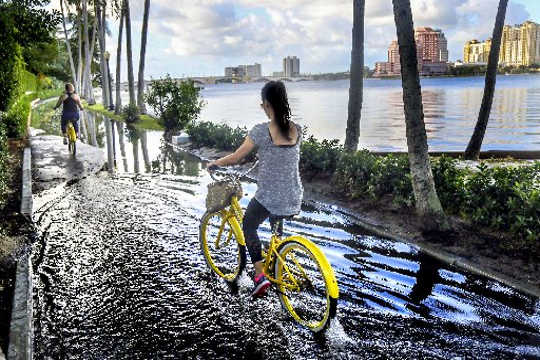
Scientists say the answer is in the ice. Scientists know that sea levels have risen more in some places during the past century than in others.
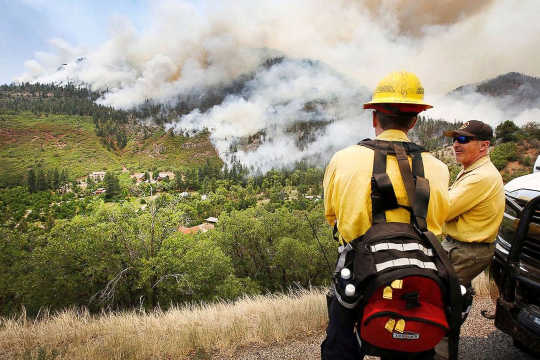 The kind of hot, dry conditions that can shrink crop yields, destabilize food prices, and lay the groundwork for devastating wildfires are increasingly striking multiple regions simultaneously as a result of a warming climate, according to a new study.
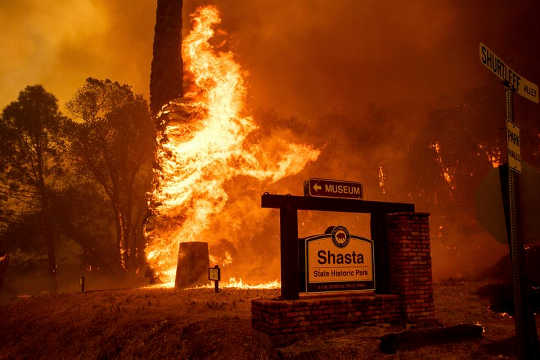 Hopes for fewer large wildfires in 2018, after last year’s disastrous fire season, are rapidly disappearing across the West.
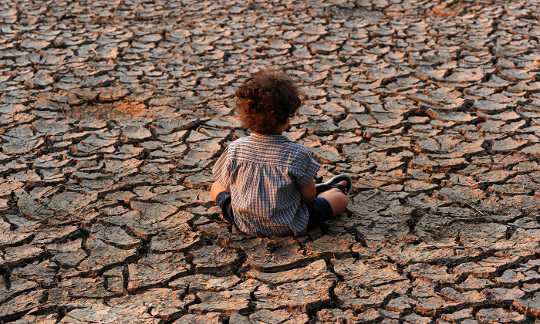 Drought, crop failure, storms, and land disputes pit the rich against the poor, and Central America is ground zero for climate change. Guatemala, Honduras, and El Salvador lie in the trajectory of the so-called “dry corridor” of Central America that stretches from Southern Mexico to Panama. This epithet is a recently adopted description of the region, to describe the droughts that have risen in intensity and frequency over the last 10 years.
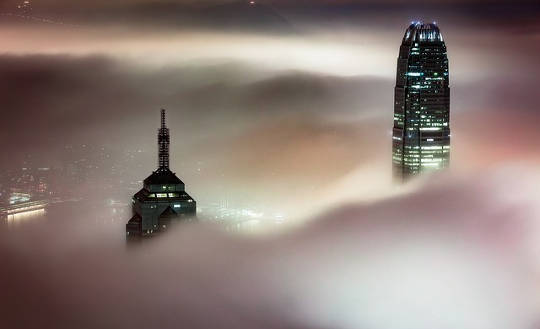
New research digs into how links between economic development, technology, politics, and decision-making affect actions people are willing to take against climate change.
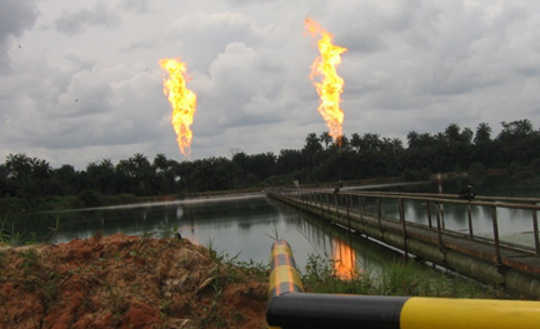
The burning of unwanted gas associated with oil production—called “flaring”—remains the most carbon-intensive part of producing oil, according to a new analysis.
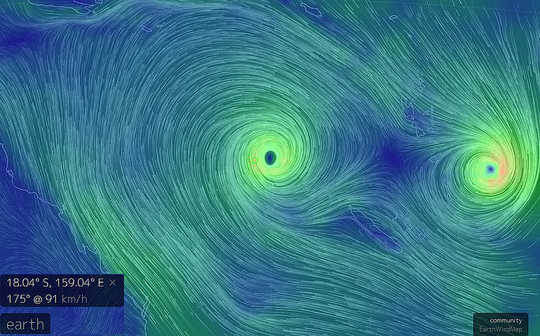
Cyclone Winston struck Fiji on February 20, 2016, leaving a trail of destruction. Winston was a Category 5 cyclone (the strongest rating) with reported wind speeds of almost 300 km per hour. This made it among the strongest cyclones ever to make landfall globally, and the and the strongest recorded in the Southern Hemisphere.
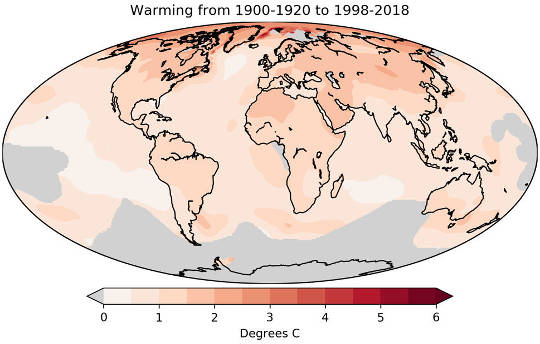
As part of the Paris Agreement on climate change, the international community committed in 2015 to limit rising global temperatures to “well below” 2C by the end of the 21st century and to “pursue efforts to limit the temperature increase even further to 1.5C”.
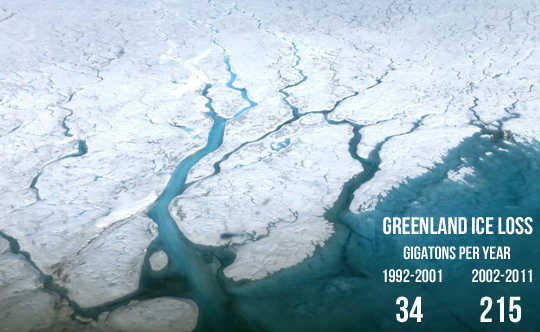
Persistent weather conditions, including dry and wet spells, that have increased in the United States may be a result of rapid Arctic warming, according to a new study.

Two generations of Australians, Generations X and Y, say climate change is their number one cause for concern, according to a new report. Contrary to stereotypes of young generations being narcissistic or complacent, researchers say both groups are united in concerns about the future of the environment.
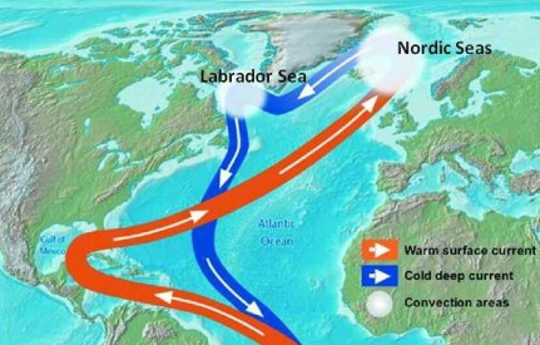 Global warming isn’t the cause of slowdown in a huge circulation pattern in the Atlantic Ocean, which is, in fact, part of regular, decades-long cycle that will affect temperatures in coming decades, according to a new study.
New research asks a big question: Is there such a thing as a sustainable civilization, perhaps one that lies far beyond our own galaxy? Or are all civilizations doomed to destroy themselves?

I am afraid my message is going to be controversial. You see, I think there are deep problems with the standard climate change narrative, which has equated "green" with carbon reduction.