Can You Really Change the World Starting With One Choice?
The world feels broken, but what if the solution isn’t out there—it’s within you? Every thought, every reaction, every choice shapes…


Your liver is your body’s silent hero. It works around the clock, asking for little recognition, but offering protection, cleansing, and balance in return. Have you ever wondered how much this organ does for you — and what small steps you can take to return the favor? Let’s explore the incredible role your liver plays, the common challenges it faces, and the choices that keep it strong and healthy for years to come.
Under a heat warning, it can feel like the world itself has turned into an oven, the air thick and heavy with moisture, pressing against your skin. You might step outside and feel that immediate wave of discomfort, your body trying to tell you something. But what do these warnings really mean? And more importantly, how can you protect yourself and your loved ones from the dangers hidden in the heat? Let’s walk through this together, so you can feel confident and prepared, no matter how high the temperature climbs.

Why does your back still hurt even when your MRI says you're “fine”? Millions of people suffer from chronic lower back pain, yet their diagnoses remain vague or missing entirely. It's one of the most common health complaints—and one of the least understood. This article breaks down why diagnosing lower back pain is so difficult, and how to manage it effectively with limited or no medication.
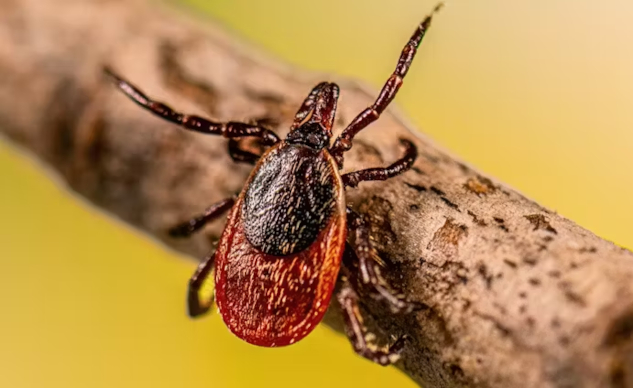
Ticks are more than pests—they’re living records of human disruption. Discover how we created the perfect conditions for them to spread disease.

Have you ever smelled something that instantly transported you back in time? A childhood kitchen, a former lover’s shirt, a forest path after rainfall? That’s not just nostalgia—it’s neuroscience. In a world addicted to screens and overwhelmed by noise, we’re missing one of the most powerful tools for mental well-being hiding in plain scent: our nose. And science now says smell doesn’t just trigger memories—it can rewire your brain.

Wildfire smoke kills far more people than the fires themselves—and it’s silently fueling a health crisis that’s worse than car accidents.
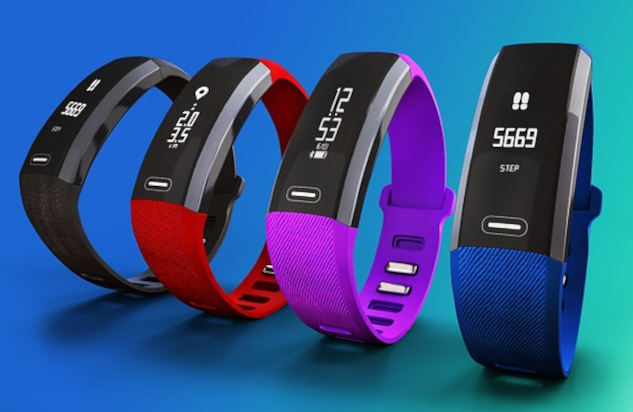
Ever feel like your fitness tracker is watching you a little too closely? You’re not alone. Those blinking lights and vibration nudges can feel like helpful reminders—or nagging digital guilt trips. But like most things in life, the truth about fitness trackers lives in the gray area. Sometimes they’re your best ally, and sometimes they quietly chip away at your peace of mind. So how do you know when they’re helping and when they’re hurting?
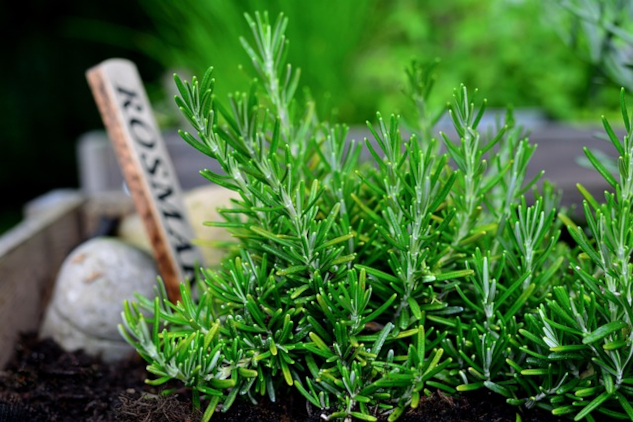
It’s amazing how a simple whiff of rosemary can stir something inside you. Maybe it’s a memory, a sudden calm, or just the comfort of something natural. For thousands of years, this humble herb has been more than a kitchen staple. It’s been a medicine, a ritual, a healer. And today, it still has so much to offer—if you’re willing to slow down and listen to what this ancient plant has to say.

Frontotemporal dementia (FTD) attacks the very circuits that make us human — empathy, judgment, morality. In this eye-opening look at the “social brain,” neurologist Bruce Miller explains how behavioral changes are driven by neurodegeneration, not character flaws. Understanding the social brain helps us reframe how we view personality, free will, and compassion — both for patients and for ourselves.

Do you remember how it felt that first winter of the pandemic? The eerie silence in the streets, the masks on every face, the uncertainty hanging in the air like fog. Now, five years later, just when life was starting to feel almost normal again, a new COVID variant, NB.1.8.1, is quietly making its way around the globe. And disturbingly, at this very moment, U.S. leaders are choosing to roll back vaccine recommendations. Haven’t we been here before?

Have you ever walked out of a doctor’s office feeling more confused—or worse, dismissed—than when you walked in? Maybe your symptoms were minimized, your concerns waved off, or you were told it was just stress or “in your head.” That hollow feeling? It has a name. It’s called medical gaslighting. And you're not alone.

Coffee is more than just a morning pick-me-up—it’s a powerful stimulant that can interact with medications you may rely on. From thyroid pills to antidepressants, your daily brew could be making treatments less effective or increasing side-effects. Understanding coffee's interaction with medication is essential for your health. Discover what to avoid and how to keep both your meds and your caffeine fix working in harmony.

You're tired, but you can't sleep. You ache, but nothing is really "wrong." You feel edgy, overwhelmed, or just... off. If this sounds like your day-to-day, you’re not alone. Chronic stress is the silent saboteur of modern life, creeping in through packed schedules, unresolved emotions, and the constant pressure to perform. But here's the truth: you can unlearn stress, one small shift at a time.

Fever isn't just a symptom—it's a vital part of your immune system's response. From humans to honeybees, creatures across the planet raise their body temperature to battle infections. Discover how this ancient, evolutionary tool helps suppress pathogens, why lowering a mild fever might be a mistake, and how even insects use heat to heal. Your body’s heat surge is smarter than you think.

Most of us don’t think twice about sitting. It's how we work, relax, and even socialize. But what if that comfy chair is quietly chipping away at your well-being? And more importantly, what can you do if you're too tired, overwhelmed, or physically limited to move much? Let’s talk honestly about the health hazards of sitting too much—and how even the lazy or infirmed can push back with kindness, not guilt.

Dementia prevention may start long before symptoms appear—even in the womb. With over 60 million people affected globally, science shows early-life health choices can shape brain health decades later. From childhood cognitive ability to teen habits like smoking or inactivity, what we do young matters. Discover why experts now say it’s never too early—and never too late—to start protecting your brain.

You're not just getting older. You're aging—at a cellular level, at a psychological level, and at a social level. The question isn't whether you're aging. The real question is: are you aging well? And if you're not, would you even know it until it’s too late?

Why is it so easy to fall for health advice that turns out to be completely false? Maybe it was that viral smoothie that promised to “cleanse your liver in 3 days,” or a headline claiming vaccines cause more harm than good. You didn’t mean to believe it, but somehow, it slipped past your radar. You’re not alone. In fact, the truth is, our minds are wired to accept things that feel good, comforting, or familiar—even when they’re dead wrong. But there’s a way to change that.

The brutal mix of heat and wildfire smoke is no longer a rare phenomenon. It's a recurring feature of our climate-changed world, and it's claiming lives—quietly, steadily, and often invisibly. For seniors, people with chronic conditions, and even healthy individuals stuck without resources, the combination can be a literal knockout punch. And yet, most people don’t understand how these forces work together—or what to do when they strike.

Want to lose weight without drugs like Ozempic? Science shows that fiber, monounsaturated fats, and even food timing can boost GLP-1—a natural hunger-suppressing hormone. From eating slowly to making breakfast count, this guide outlines strategic, food-based methods for weight loss that work with your biology, not against it. The best part? No prescriptions required—just smart choices rooted in proven nutrition.

Brisk walking is emerging as one of the most powerful tools for health and longevity. Studies show it reduces heart disease risk, slows biological aging, and may even outperform traditional markers like cholesterol. Just 10 minutes a day can make a profound difference. In a world obsessed with miracle cures, maybe the real elixir of life is right beneath our feet.
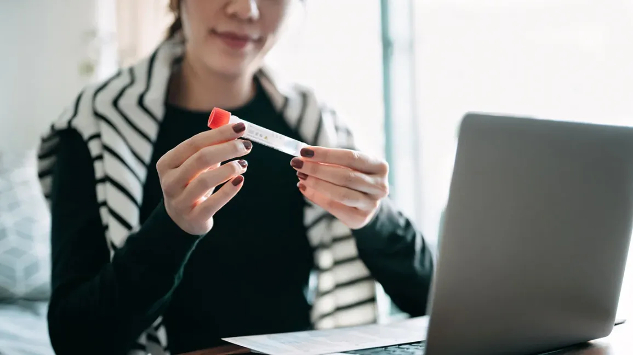
Your DNA is not your destiny, but it sure can write a rough draft of your future. And unlike horoscopes or crystal balls, genetic testing can actually tell you something useful—like whether that extra cheeseburger is fueling a heart attack waiting to happen. So why do so many people still walk around blind to the secrets in their genes? Maybe it’s time to stop fearing the truth and start using it.

Ashwagandha. Even the name feels like a whisper from the past. An ancient root that has survived millennia, passed down through generations, tucked into the corners of sacred texts and family remedies. But what’s behind the surge in popularity today? Is it really the magic bullet for modern stress? Or is there more to the story? Let’s unpack it, heart to root.