Can You Really Change the World Starting With One Choice?
The world feels broken, but what if the solution isn’t out there—it’s within you? Every thought, every reaction, every choice shapes…


Most people don’t think about blood pressure until a doctor frowns at their chart. Yet those two numbers — systolic and diastolic — are often the earliest and loudest signals of what’s coming for your heart, your brain, and your future. Now, the 2025 blood pressure guidelines are shifting the ground beneath our feet, redefining what’s considered healthy and pushing us toward action earlier than ever before. This isn’t just another tweak to medical jargon. It’s a wake-up call — one that could mean the difference between a long, vibrant life and a slow, preventable decline.

The 2025 government shutdown isn’t a budgeting exercise. It is a mirror held up to a political habit that never seems to die. EMTALA—the Reagan-era law requiring hospitals to treat anyone in an emergency—was once sold as a moral floor. Today, the same party that wrote it waves it like a warning flag and blames Democrats for the bill. That’s not governance. That’s a shell game with the lights off and your wallet on the table.

Vaccines have been one of humanity’s greatest achievements, saving millions of lives and billions in healthcare costs. Yet rising vaccine hesitancy in the U.S. now threatens to undo decades of progress. From measles resurging to preventable deaths increasing, the stakes are higher than ever. Understanding vaccine benefits, and the danger of hesitancy, may be the key to protecting both public health and America’s future.

Diabetes and dementia are more connected than most realize. New research shows that people with type 2 diabetes face a higher dementia risk, but careful blood sugar management can dramatically change the outcome. The diabetes dementia link isn’t just about genetics or aging, it’s about daily choices and medical care. This article explores what the science reveals and how you can protect your brain health starting now.
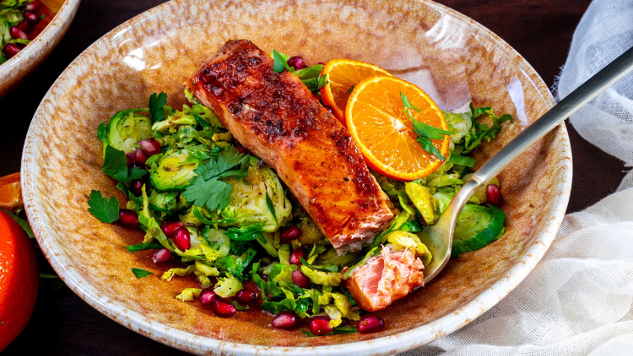
Wild salmon and farmed salmon may look similar on your plate, but the differences run deep. From flavor and texture to nutrition, safety, and sustainability, each carries its own story. Choosing between them isn’t just about taste, it’s about your health and the planet’s future. Let’s break down the wild salmon vs. farmed salmon debate so you can make choices that align with your values.
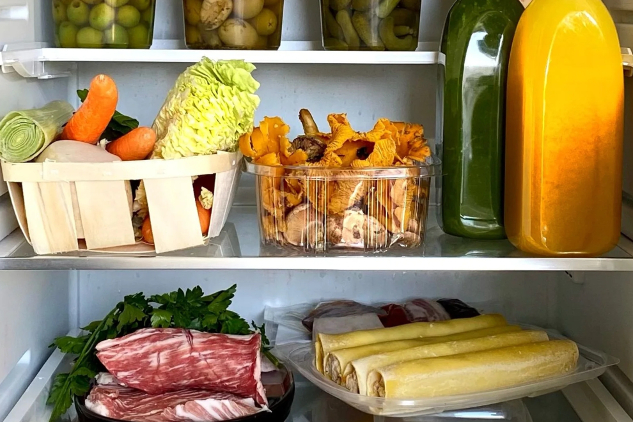
Most people don’t realize their fridge storage habits may be shortening the life of their food and even risking food safety. From eggs and berries to herbs and leftovers, small mistakes can make a big difference. This article reveals the top fridge storage errors you might be making and shows you simple ways to keep your food fresh, safe, and delicious longer.

By the time you reach your 50s or 60s, the little orange bottles often seem to multiply. A pill for blood pressure, one for cholesterol, another for sleep, maybe something for anxiety or digestion. Each prescription feels reasonable on its own, but one day you look at the row of bottles lined up on the counter and wonder, when did my life become a pharmacy shelf? And more importantly, are these midlife medications helping me, or are they quietly stealing away my vitality?
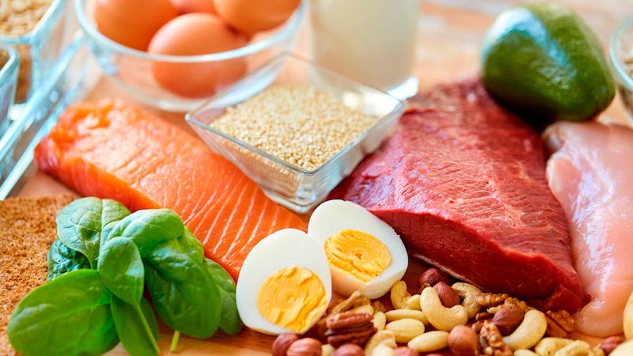
Protein intake is one of the most debated topics in nutrition. How much is enough, when should you eat it, and are plant proteins truly as good as animal sources? While protein fuels growth, repair, and energy balance, excess may strain the body. This article unpacks the myths and truths about protein intake and plant protein, offering clarity for a healthier, more balanced life.
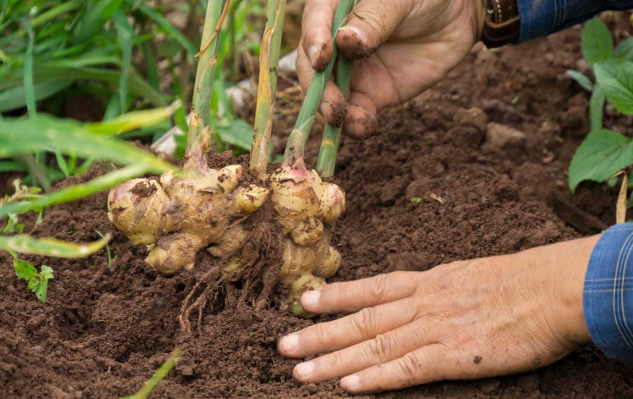
Ginger is more than a flavorful spice, it’s a potent root with powerful effects on the body. While ginger benefits range from lowering blood pressure and cholesterol to easing digestion, ginger risks include side effects and drug interactions you can’t afford to ignore. Learn how to use ginger safely in root and powder form while maximizing its healing potential for heart health and overall well-being.

Proper hydration is more than just drinking water, it’s about fueling every cell in your body. Without it, dehydration signs sneak in: fatigue, headaches, mood swings, and even long-term health risks. This article unpacks why hydration matters, how to spot the warning signals, and simple ways to stay balanced. Hydration isn’t optional; it’s the foundation of your wellbeing.
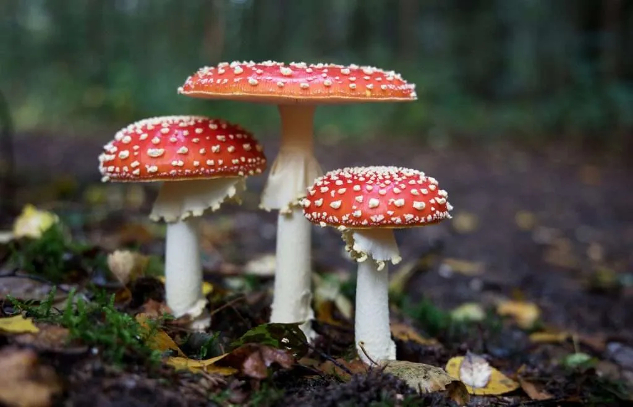
Microdosing mushrooms has become a wellness trend promising creativity, focus, and emotional balance. Yet psilocybin risks, legal, medical, and psychological, raise serious questions. Science suggests some benefits may be real while others are placebo-driven. By understanding both sides, we can approach microdosing mushrooms with awareness, discernment, and respect for its potential and its dangers.
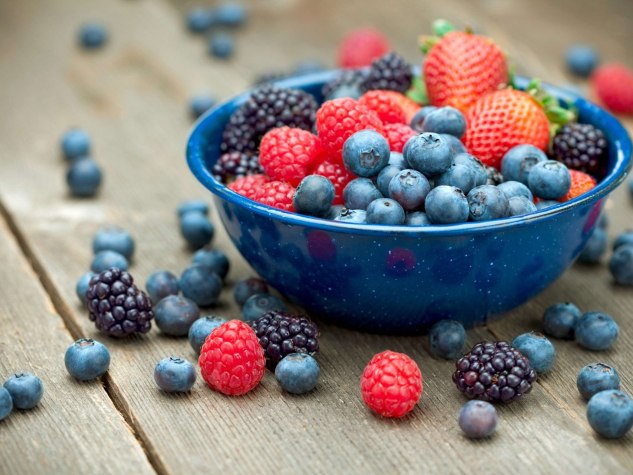
Soluble fiber is more than a digestive aid—it’s your body’s natural ally against high cholesterol and harmful toxins. By binding to cholesterol in the gut and promoting toxin elimination, soluble fiber reduces heart risks while boosting overall health. Learn how adding fiber-rich foods like oats, beans, and apples can transform your well-being, giving you both immediate and long-term benefits for heart and gut health.

As winter COVID surges escalate, mRNA cuts in vaccine research and funding shortfalls may hinder vital protection, raising concerns not only about infection but also the risk of cancer relapse, given new evidence that respiratory infections can awaken dormant tumor cells. This winter may bring unexpected health threats; here's what you need to know, and how renewed collaboration and shared trust in science can change the story.
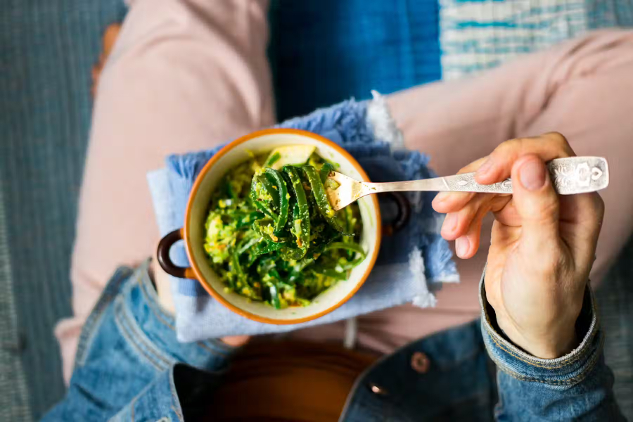
New research reveals why seaweed nutrition hasn't caught on in Western countries despite being the ultimate sustainable food. While Japanese consumers eat it daily, cultural familiarity trumps environmental and health benefits in the UK and US. Scientists found that making this climate-friendly superfood mainstream requires more than promoting its nutritional value - it needs cultural integration and strategic positioning to overcome deep-rooted dietary habits.
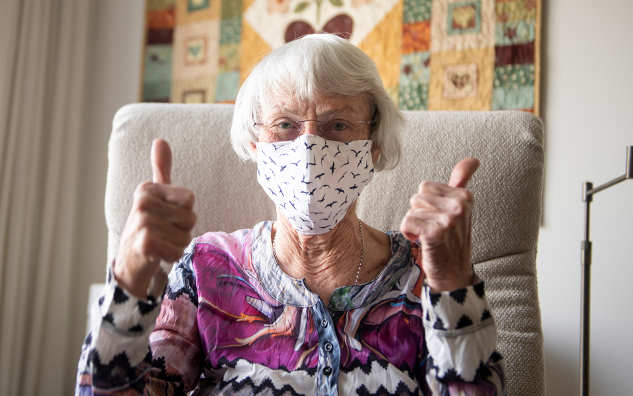
Viral infections don’t just pass through our lives; they can stir up the body in ways we’re still learning about. If you’ve wondered whether viral infections could reawaken dormant cancer, you’re not alone. While human evidence is still developing, there are practical steps you can take to feel safer during public outbreaks. This guide offers calm, doable choices, masks, ventilation, smart timing, so you can protect your health without living in fear.

After a rich meal, your blood fats rise for hours. That rise, called postprandial lipids, may briefly stress the body’s vessels, including those that help the brain keep blood flow steady through a process called cerebral autoregulation. Human evidence is still developing, but you can take simple, low-burden steps after high-fat meals to feel safer and more in control. This guide shows you how, in plain language you can use today.

As we age, our bodies demand more from our food choices. Better nutrition isn't optional, it's essential for healthy aging, energy, and long-term wellness. In this article, we explain why diet becomes more critical with age, and offer realistic, empowering steps to clean up your act, starting today. Yes, it’s not too late to feel better, live longer, and reclaim control over your health.

You’ve probably been told your whole life to “eat more fiber.” It sounds simple enough, right? A sprinkle of bran here, a handful of leafy greens there. But what if I told you that too much of this good thing can actually backfire? Yes, fiber is essential—but balance is the secret ingredient. Let’s walk through why fiber matters, what kinds your body truly needs, and how to make it your digestive system’s best friend, not its worst enemy.

Can a sweet plant used in your morning coffee hold the key to treating one of the deadliest cancers in the world? Scientists in Japan say yes—if that plant is fermented and dosed with a little microbial alchemy. In a breakthrough study, fermented stevia leaf extract showed it could selectively kill pancreatic cancer cells while sparing healthy tissue. What does this mean for the future of medicine—and for the billions of dollars poured into pharmaceutical R&D?
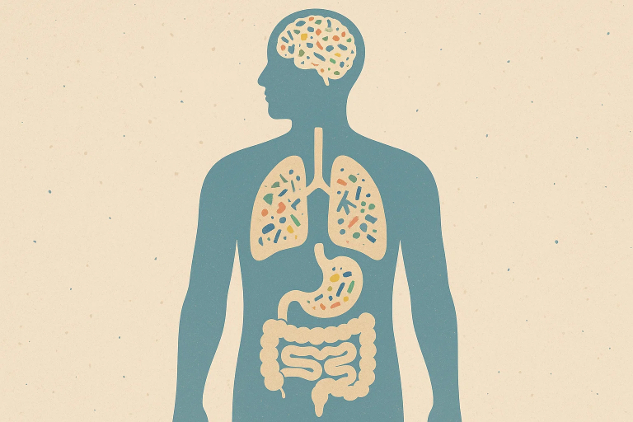
Microplastics aren’t just floating in the Pacific garbage patch—they're in your morning toast, your toddler’s sippy cup, and yes, even in your blood. We’ve turned the planet into a snow globe of plastic, and every time we breathe, eat, or drink, we shake it up and swallow the flakes. If that doesn’t concern you, it should.

Ever notice how every time someone talks about obesity, they point fingers at the couch? “People just don’t move like they used to,” they say, with the smug assurance of someone who thinks the cure for rising waistlines is a gym membership and a better attitude. But what if the real problem isn’t about how much we move—but about what the system is feeding us?

What if the so-called “inevitable” decline of aging isn’t inevitable at all? A new study in Nature Aging just threw a wrench into one of modern medicine’s favorite theories: that inflammation naturally worsens with age. Turns out, that only seems to happen if you live like most of us in the industrialized world—plugged in, stressed out, and boxed up. Meanwhile, Indigenous elders, untouched by our modern conveniences, age without that slow-burn internal fire we call inflammation. Maybe the problem isn’t age. Maybe it’s us.

When the temperature rises and the nights feel sticky and still, getting a good night’s sleep can seem like a distant dream. Maybe you’ve tossed and turned, searching for a cool spot on the pillow, or found yourself staring at the ceiling, listening to the hum of a fan that feels like it’s barely doing its job. Hot weather sleep is no small challenge—but with a few thoughtful changes, you can reclaim restful nights and protect your well-being during even the warmest stretches of summer.