


Can You Really Change the World Starting With One Choice?
The world feels broken, but what if the solution isn’t out there—it’s within you? Every thought, every reaction, every choice shapes…


Paying back student loans is not an easy thing to do. One out of every 5 borrowers with outstanding student loan debt has fallen behind their payments.
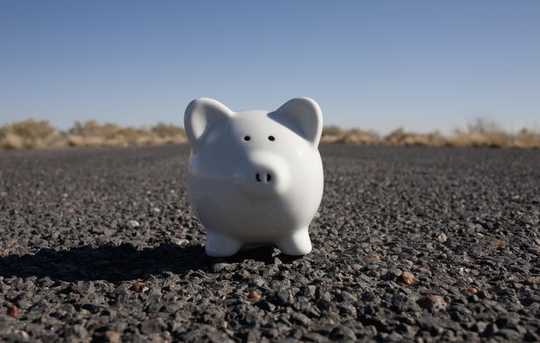
A banking desert is an area without traditional financial institutions and services. They are common in rural areas because large financial institutions are reluctant to operate in less populated areas that are less profitable.

No one should have to beg for money to get the healthcare they need in the richest country on Earth.

More than half of Australians over the age of 55 are open to downsizing, according to a new report based on a survey of 2,400 households.
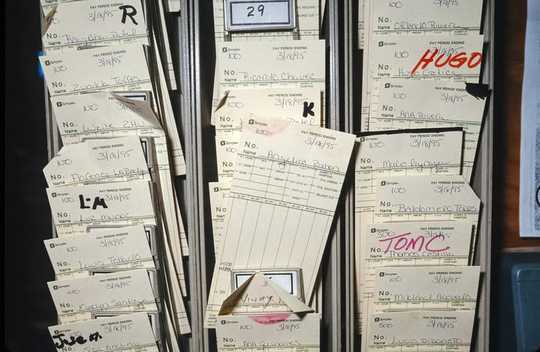
If you thought workers’ hourly pay was finally rising, think again. At first glance, the latest data – which came out on Feb. 7 – look pretty good.
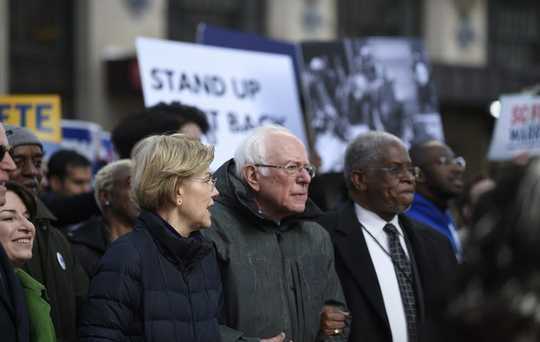
It’s hardly surprising that if a Democrat wins the White House, taxes on wealthy Americans and corporations will probably go up. How they’ll go up is the more interesting question.

What do we mean when we talk about “socialism”? Here are ten things about its theory, practice, and potential that you need to know.

As California contends with drought, wildfires and other impacts of climate change, a small yet passionate group of residents are attempting to lessen these effects and reduce the state’s carbon emissions.

Make no mistake, how we pay for healthcare in the US is broken for many individuals and for many communities. Like a tire with a slow leak, without immediate repair, the outlook for the largest industry in the US economy is bleak.
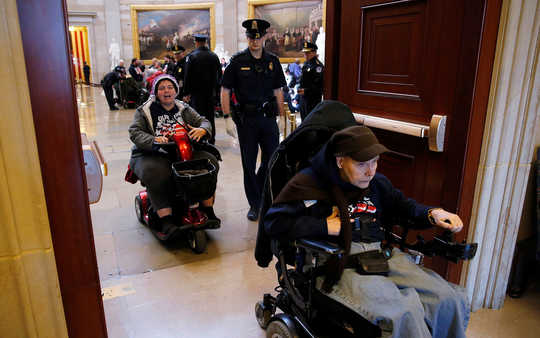
Trump wants to destroy Medicaid while claiming to save it. This fiendish scheme is an Orwellian fable conjured up by the most shameless pack of liars to ever occupy our government.
It’s no secret that the biggest gains in the growing global economy are reaped by the extremely wealthy.
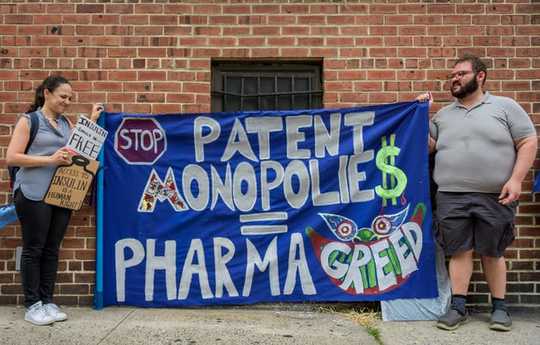
The high price of insulin, which has reached as much as US$450 per month, has raised outrage across the country. Sen. Bernie Sanders (I-Vt.) has called it a national embarrassment, wondering why U.S. residents should have to drive to Canada to buy cheaper insulin.

According to Atheendar Venkataramani, the study’s lead author and a professor in the university’s Perelman School of Medicine, economic instability can affect people’s mental well-being and drive up the risk of substance abuse.
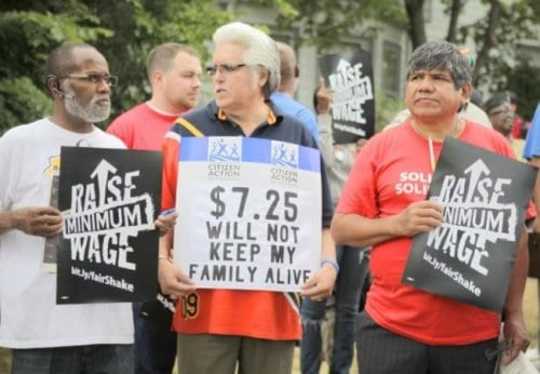
In such a world, a full-time minimum wage worker would be earning $48,000 a year in the United States.
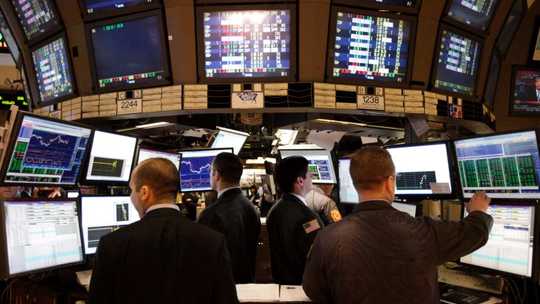
Although the repo market is little known to most people, it is a $1-trillion-a-day credit machine, in which not just banks but hedge funds and other “shadow banks” borrow to finance their trades.

Across the political spectrum, there is near consensus among these economists that a single-payer system would save money.

The same forces that are driving massive inequality between the top 1 percent and the rest of us are creating a vast generational wealth gap between baby boomers — my generation — and millennials.Millennials aren’t teenagers anymore.

An adolescent’s sense of their own family’s social and economic status is closely linked to that teen’s physical and cognitive health, according to a study of British twins.

People today are espousing some very strange beliefs about the state of our modern economy. We frequently hear things like: We can no longer afford to educate our children, provide universal health care, clean up our polluted environment, innovate around renewable energy resources, provide food, water and basic shelter for all, share...
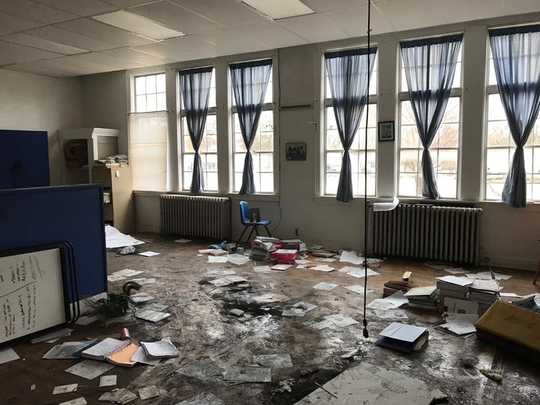
Rural school closures are causing as much, if not more, upheaval as what’s going on when public schools in Chicago and other cities close.

Partisan wrangling over health reform has perhaps been the most acrimonious issue in Americans politics, exemplified by the failed Clinton health reform efforts in the 1990s and the passage of the Affordable Care Act in 2010.

Hermit crabs can teach us about wealth inequality, according to a new study.
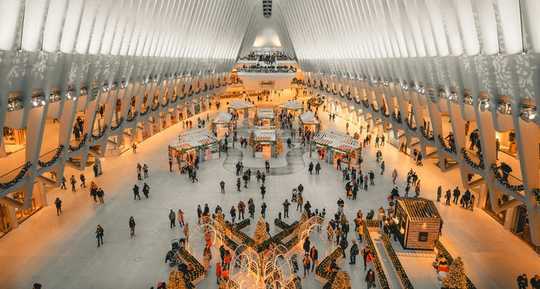
The year 2019 will be known as the year of retail closures in Canada and the United States.