


Can You Really Change the World Starting With One Choice?
The world feels broken, but what if the solution isn’t out there—it’s within you? Every thought, every reaction, every choice shapes…


Every spring and fall, we go through the same ritual—changing our clocks forward or back an hour. But beyond the minor inconvenience of lost sleep or a disrupted routine, what is the true cost of daylight savings time (DST)? From economic impacts to health consequences, shifting the clocks twice a year carries significant, often overlooked costs. Is it time to stop this outdated practice?
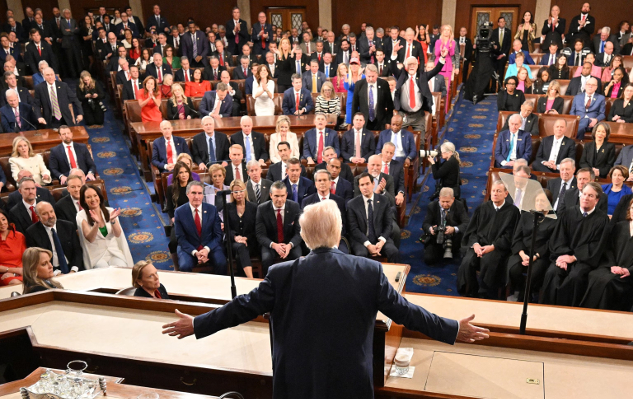
Donald Trump’s latest address to Congress was everything we’ve come to expect—long, rambling, and full of misleading claims. But what’s more concerning is not just the falsehoods, but the economic storm brewing underneath them. While his supporters cheer on the rhetoric, the real economy is shifting in ways that will hit them hardest. With tariffs taking effect, inflation creeping up, and government cuts slashing through key programs, the next few months could be a wake-up call. The question is—how long before they feel enough pain?

America is not just "going broke"—it’s being driven off a fiscal cliff by the very people who claim to be its saviors. While red states have long depended on federal support, Trump, Doge, and the Republican leadership are now engineering a financial collapse that will hit their own base first. The irony? Those same states that cry about "big government" are the ones most reliant on federal aid. With cities already in trouble and red-state budgets running on fumes, the GOP’s agenda may lead to economic cannibalism. And when the money runs dry, who will foot the bill?
For decades, politicians have weaponized the deficit myth to justify gutting social programs while giving the wealthy endless tax cuts. The real issue isn’t debt—it’s where money flows. A Progressive Consumption Tax would shift the tax burden from workers to billionaires, ensuring wealth is reinvested into the economy instead of hoarded in offshore accounts. It’s time to expose the con and fix the system.

U.S. import tariffs from Canada, Mexico, and China could trigger higher prices, industry disruptions, and global trade retaliation. Consumers and businesses alike should prepare for economic fallout.

Why do outdated economic theories dominate policy while inequality and crises grow? Post-Keynesian economics and Modern Monetary Theory offer a better way forward.

Financial inequality solutions and wealth inequality's impact are reshaping lives. From stagnant wages to soaring debt, this article uncovers the causes and possible fixes.

Trump’s freeze on federal research funding threatens medical progress and public health initiatives. This critical move could derail advancements for years.
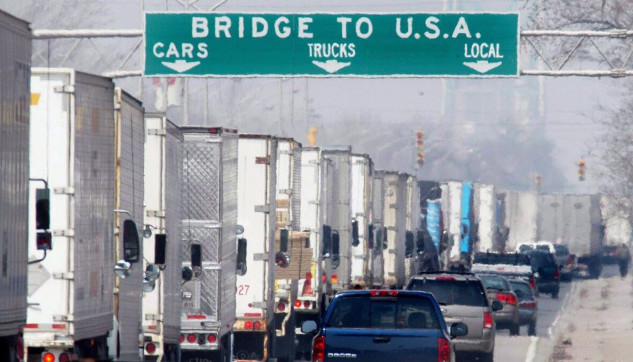
Canada must diversify its trade beyond the U.S. while tackling interprovincial trade barriers. Trump’s tariff threats underscore the urgency for economic resilience.
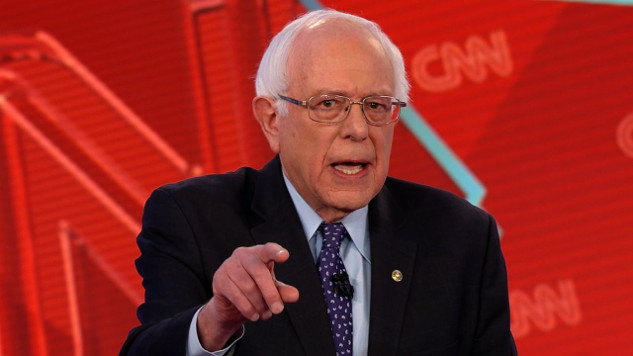
Bernie Sanders takes to the stage to once again champion a healthcare system that serves everyone, not just the privileged few.
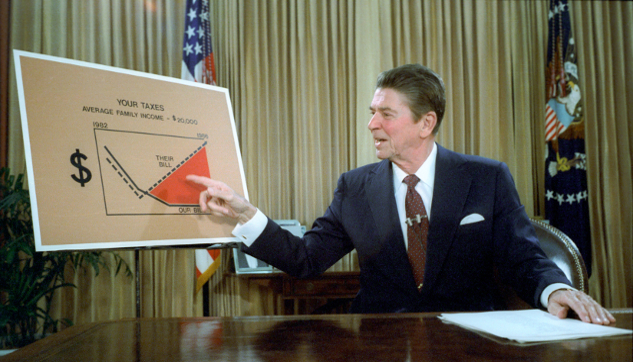
Bottom-up economic policies deliver real growth and equity by prioritizing the middle class. Discover why they outperform Trump’s economic impact and trickle-down theories.
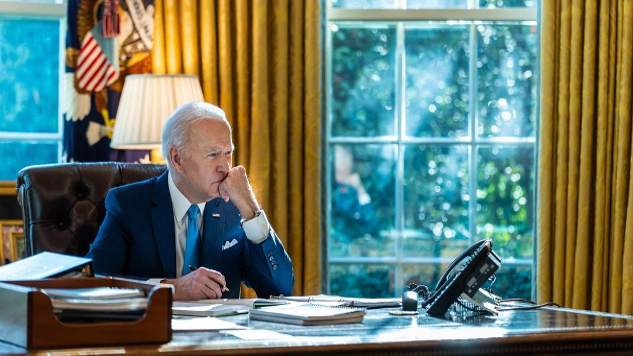
The Biden administration achieved historic economic progress, creating jobs, reducing inflation, and fostering energy independence. Learn how these policies reshaped America.

When teachers adapt to individual learning styles, classrooms come alive. Tailored teaching methods foster engagement, build confidence, and create equitable learning environments. From hands-on activities to adaptive technology, discover how personalized strategies unlock student potential and transform education.
Immigration and economic recovery are deeply connected. Learn how reforming immigration and investing in talent can address rural despair and create prosperity.
A modern monetary system and Central Bank Digital Currencies could revolutionize how we manage money. By leveraging digital tools and rethinking Federal Reserve operations, we could eliminate inefficiencies, reduce inequities, and give individuals direct access to financial tools. Discover how countries are testing these ideas and why they hold the key to a fairer, more efficient economy.

The Fourth Turning's crisis phase is here, bringing deregulation risks that affect wealth inequality, environmental safety, and public protections.
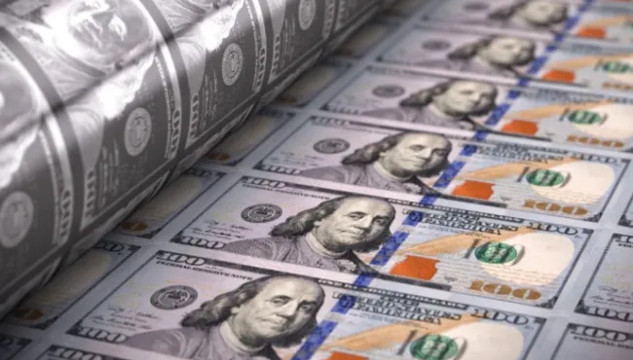
Federal deficits aren’t like household debt. This article explains federal deficits, modern money creation, and why deficits play a vital role in today’s economy.

Savings from universal healthcare and tuition-free education unlock $3 trillion annually, funding Universal Basic Income and climate change solutions to transform America.
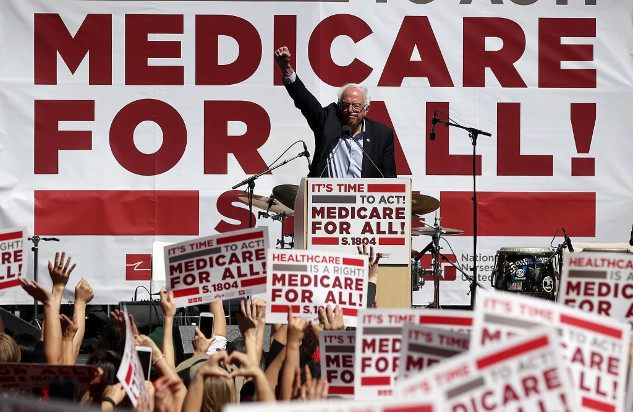
Medicare and Social Security face unprecedented threats from Trump and Project 2025, jeopardizing financial security for millions of Americans. Learn about the stakes and how advocacy can protect these lifelines.

Radical policy changes, such as tariffs on imports, deportations, and ending climate initiatives, will reshape the U.S. economy. While bold, these policies will lead to inflation, labor shortages, and weakened global relations. They will also have a negative long-term economic impact on various industries, from manufacturing to defense.
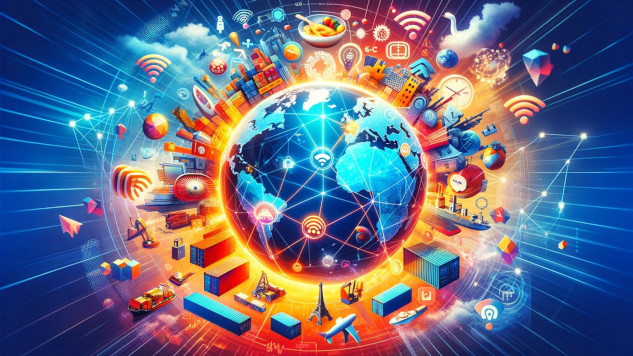
Global trade history has paved the way for our interconnected world, evolving from ancient routes like the Silk Road to the complexities of modern-day globalization. Explore how wars, economic policies, and technological advancements have influenced this journey, shaping economies and societies. Learn how the effects of globalization continue to impact our world, creating both opportunities and challenges in today’s global economy.

Uncover the natural causes of inflation and the impact of economic policies on rising prices. This article explores how global events, supply chain disruptions, and government actions contribute to inflation, comparing insights from the 1970s and the post-pandemic era. Learn why public perception of inflation can be skewed and how to understand the complex factors.
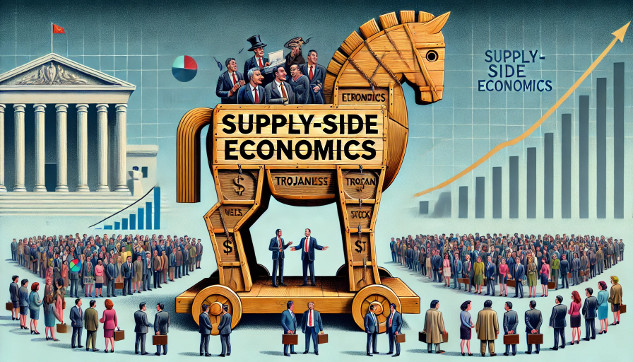
Harris and Walz's 2024 economic plan focuses on middle-class empowerment through bold reforms, including expanded child tax credits, penalties for price gouging, and homebuyer incentives. With roots in the Two Santa Claus Theory, this bottom-up approach challenges decades of supply-side economics, offering solutions to reduce wealth inequality and build a more robust economy. As America faces crucial economic decisions, Harris and Walz provide a clear alternative to trickle-down policies.