

Can You Really Change the World Starting With One Choice?
The world feels broken, but what if the solution isn’t out there—it’s within you? Every thought, every reaction, every choice shapes…

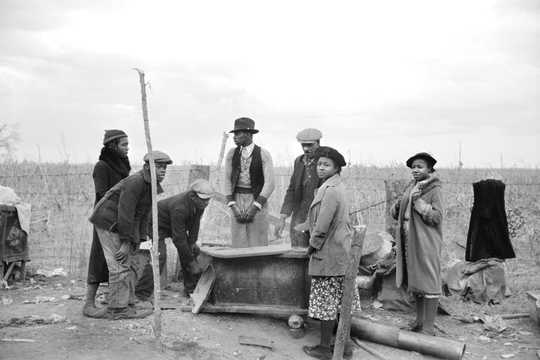
On June 19, 1865 – 155 years ago – black Americans celebrating the day of Jubilee, later known as Juneteenth, may have expected a shot at real opportunity.

Rural areas seemed immune as the coronavirus spread through cities earlier this year. Few rural cases were reported, and attention focused on the surge of illnesses and deaths in the big metro areas.
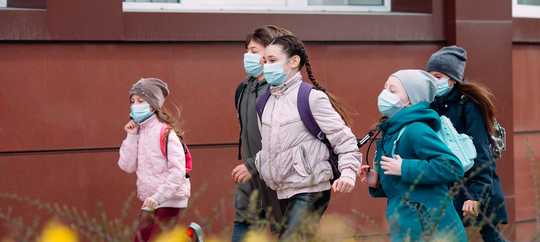
A new analysis stresses the need for caution when when reopening America’s schools.
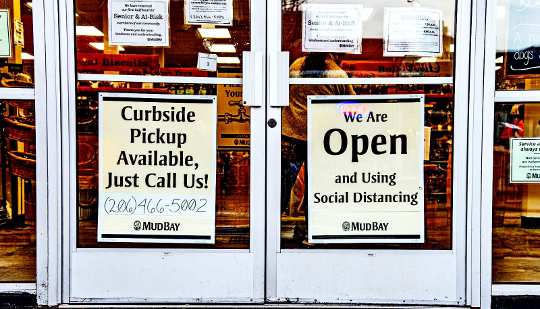
Retail isn’t going back to normal, says a professor of marketing and psychological science.

In June 1348, people in England began reporting mysterious symptoms. They started off as mild and vague: headaches, aches, and nausea.

Long after the COVID-19 health emergency ends, many Americans will still suffer from the long tail of the pandemic’s economic devastation.
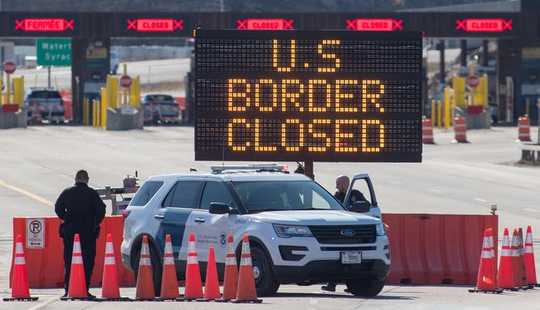
The United States and Canada have long enjoyed a stable relationship. The countries share history, the longest nonmilitarized international border in the world, and strong economic ties.

Airlines face an unprecedented international crisis in the wake of the coronavirus pandemic.
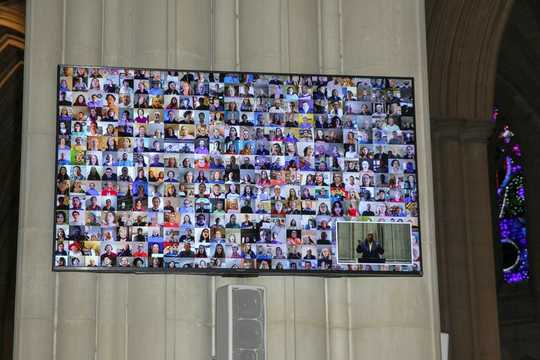
As some 350,000 American churches and other houses of worship scramble to meet the spiritual and – increasingly – material needs of their members remotely, they are doing so on a tighter budget than usual.

Policymakers are beginning to decide how to reopen the American economy. Until now, they’ve largely prioritized human health
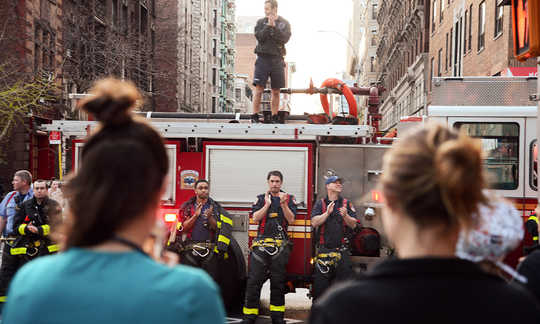
Adam Smith had an elegant idea when addressing the notorious difficulty that humans face in trying to be smart, efficient and moral.
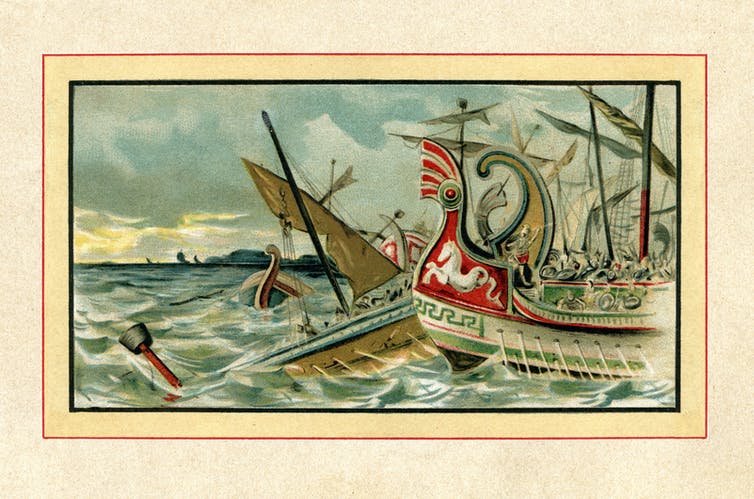
The jump in federal spending in response to the crisis of the coronavirus pandemic is not a new idea.

The coronavirus can infect anyone, but recent reporting has shown your socioeconomic status can play a big role, with a combination of job security, access to health care and mobility widening the gap in infection and mortality rates between rich and poor.

Consider these two questions: What percentage of Americans are, or have been, infected with the coronavirus?
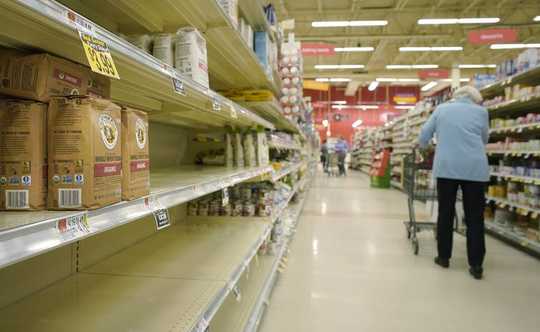
Retailers are frequently running out of everything from flour and fresh meat to toilet paper and pharmaceuticals as supply chains hammered by the coronavirus struggle to keep up with stockpiling consumers.
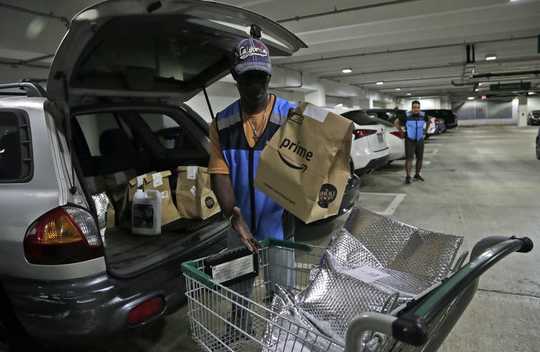
A series of recent protests by the workers preparing and delivering our essential foods and other goods highlights a key risk to our ability to combat the coronavirus.
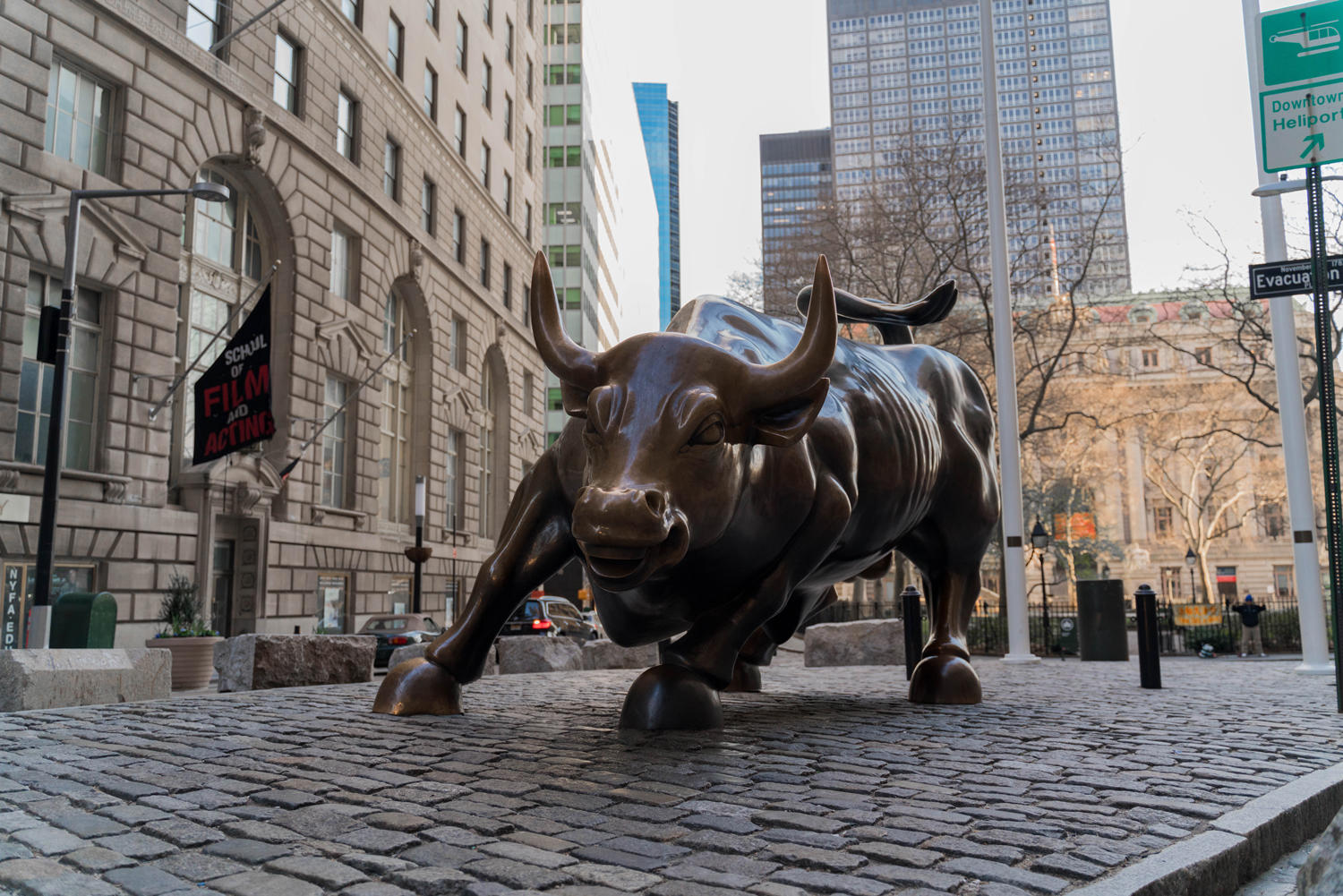
From New York to Moscow, Johannesburg to Buenos Aires, the novel coronavirus continues its global journey. On March 30, almost three months after China announced the discovery of COVID-19, the disease associated with the coronavirus, more than 780,000 people have been infected and at least 37,000 have died.
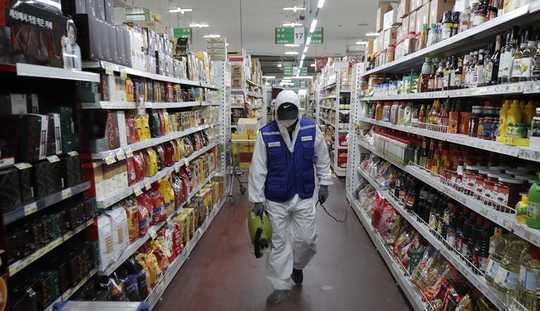
The COVID-19 outbreak appears headed for the U.S., and the Centers for Disease Control and Prevention are urging Americans to prepare now, such as by stocking up on food and prescription drugs.

Slow internet connections or limited access from homes in rural areas can contribute to students falling behind academically, according to a new study

Price transparency is the wrong goal for the free-market health care structure we have in the U.S. Instead, consumers need to know not so much the price, but the costs of things.
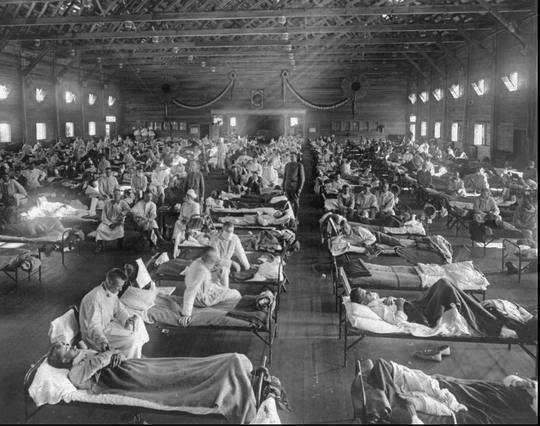
2018 marked the 100th anniversary of the great influenza pandemic of 1918. Between 50 and 100 million people are thought to have died, representing as much as 5 percent of the world’s population. Half a billion people were infected.

A potential crisis simmers in the shadows: The global dependence on China for the production of pharmaceuticals and medical equipment.
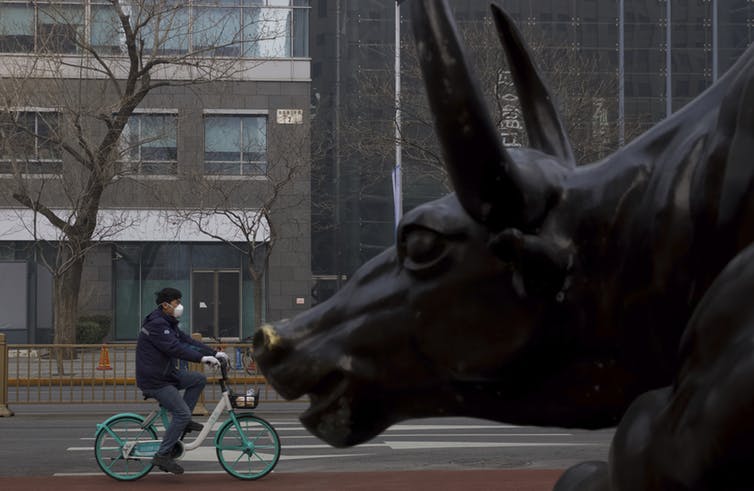
Lately, many people have asked me, as an economist, a question I haven’t heard in years: Could a virus really send the global and U.S. economies into recession – or worse? Put more pertinently, will COVID-19 trigger an economic meltdown?