


Can You Really Change the World Starting With One Choice?
The world feels broken, but what if the solution isn’t out there—it’s within you? Every thought, every reaction, every choice shapes…


He tweets at the Fed, brags at Mara Lago, and treats the U.S. economy like a slot machine. Sounds like a joke—but it's not. It's the daily reality we've been living in, where governance has become spectacle, leadership a brand, and policy a poker game with your rent money on the table. This isn’t satire. This is America under the influence—of greed, showmanship, and an ever-widening disconnect from the people who actually live in the country. And now, one music video dares to call it out… verse by verse, beat by beat.
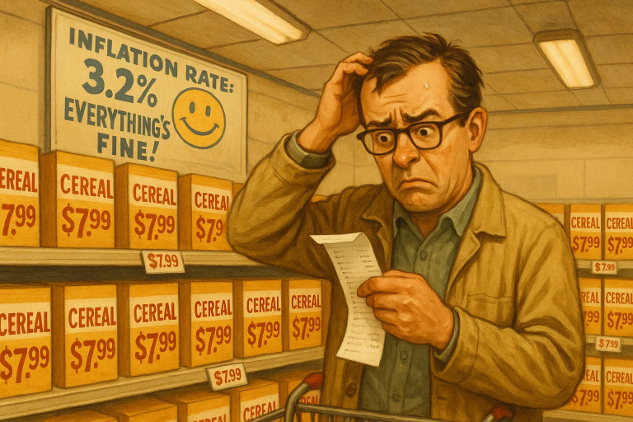
Inflation is supposedly under control at around 2.7 percent. The talking heads say we’re heading back to safe economic ground. But if you’re staring at a $150 grocery bill or wondering why your phone case just cost you 25 percent more, you already know something’s off. The inflation signals are misleading—and dangerously so.

Dorothy Gale III never quite believed the stories. Not fully. Not the way her grandmother told them. But she loved to listen. As a little girl, she’d curl up beside the old woman on a wide front porch in Kansas, the air thick with cicadas and the scent of cornfields. And the stories would spill out like magic.

RFK Jr gutted U.S. vaccine leadership, sparking global concern with Gavi defunding and revived debunked claims. Here’s what it means for you.

Imagine living in a city where you can see luxury condos from your window but can’t buy a head of lettuce within walking distance. That’s not a dystopian joke — it’s daily life in parts of New York. And while politicians bicker over slogans, communities are quietly building a better answer: ownership, cooperation, and capitalism that actually feeds people.
Donald Trump called it the “Big Beautiful Bill.” But for 16 million Americans about to lose their healthcare, it’s more like the Big Beautiful Betrayal. This isn’t policy; it’s political pickpocketing—disguised in stars and stripes. And just like a cheap magic trick, the real pain doesn’t hit until after the election. Funny how that works, isn’t it?
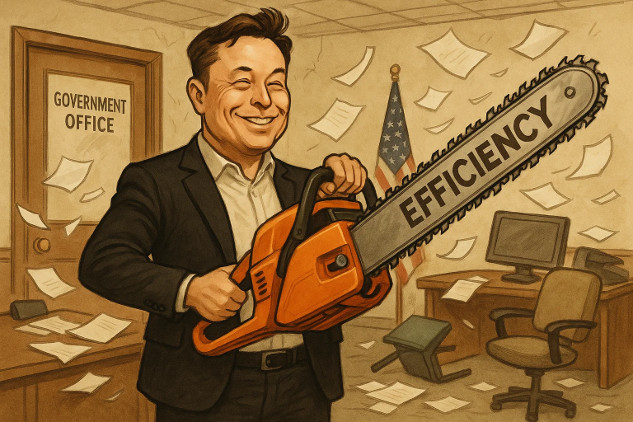
The Trump administration’s attempt to make the federal government leaner has turned into a costly lesson in what happens when ideology overrides competence. While politicians have spent decades railing about the supposed inefficiency of the U.S. government, the facts tell a different story. And now, with millions wasted on firing and then rehiring essential federal workers, it is clear who the real inefficiency peddlers are—and it is not the career public servants.
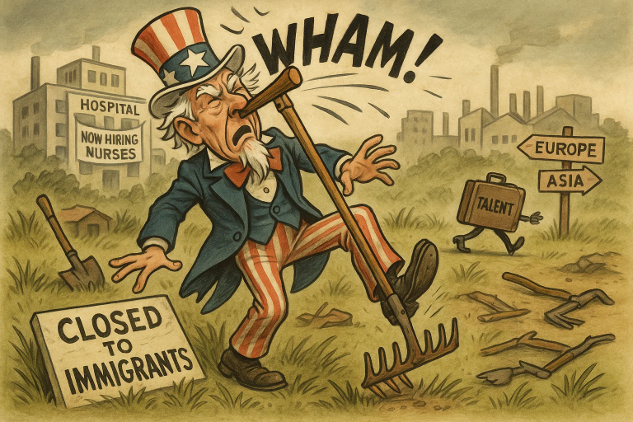
We’re careening toward an economic trainwreck, and the conductor just stepped on the gas. Canada and the United States are facing a full-blown skills shortage and workforce crisis, but instead of hitting the brakes, leaders like Donald Trump are throwing sand in the gears. Forget ideological debates for a minute—if we don’t fix the growing mismatch between education, skills, and job demand, no amount of flag-waving will save us from a productivity collapse that makes the Great Recession look like a hiccup.
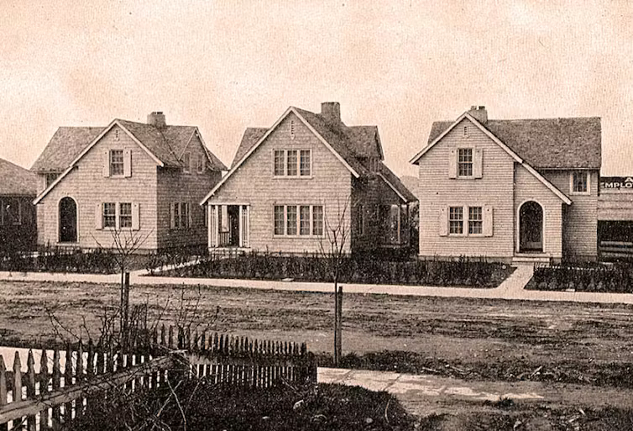
During WWI, the U.S. government built 80 public housing communities in just two years—homes with parks, schools, and sewer systems. This ambitious project, led by the U.S. Housing Corporation, housed nearly 100,000 people and set planning standards we still use today. It’s a forgotten legacy that proves bold government action can solve a housing crisis—even in wartime.
Donald Trump is back on the trade warpath, and this time, he's not just tweeting threats — he's promising to send out actual letters to America’s trading partners, outlining tariff rates like they’re overdue invoices. As with every round of this economic rollercoaster, American consumers aren’t just along for the ride — they’re the ones footing the bill. So what’s really going on behind this bizarre blend of bluster, paperwork, and price hikes? Let’s break it down.

In a world where billionaires play gods and CEOs rule with more power than monarchs ever dreamed of, it's easy to forget this wasn’t always the way. In fact, once upon a time, even peasants had a lord who owed them something in return. This is the story of how we went from mutual obligation to economic disposability—and how fear, fueled by profit, is unraveling democracy thread by thread.
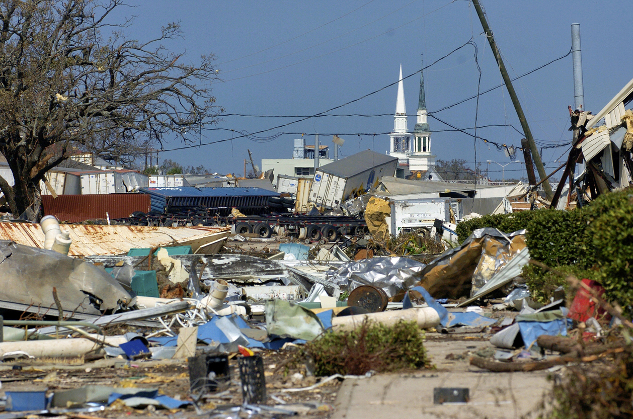
What if FEMA didn’t exist? It’s not just a political thought experiment—it’s a question that cuts to the core of how we define responsibility, coordination, and resilience in a time of escalating disaster. As hurricanes intensify, wildfires spread, and infrastructure cracks under pressure, the federal safety net provided by FEMA is often the last thing standing between chaos and recovery. But what if that net vanished overnight?
Ever feel like the economy is collapsing around you, but the headlines swear it’s never been better? You're not crazy. That uneasy feeling—that disconnect between your lived reality and the official numbers—has a name: economic gaslighting. And it’s not just a side effect of incompetence. It's strategy.

Donald Trump is once again threatening to fire the Federal Reserve Chair. This time, it's not just campaign bluster—he’s targeting Jerome Powell like a CEO would a disobedient intern. But here’s the problem: the Fed isn’t a Trump casino or a family golf resort. It's the last semi-independent institution holding the economic gears in place. If Trump wins and seizes control, we’re not just facing inflation—we're facing economic tyranny dressed up as “America First.”

They say the bond market runs the world. Presidents quake at the thought of displeasing it. Pundits treat it like some mystical beast that must be constantly appeased. Propose healthcare for all? The bond market might panic. Talk about student debt relief? The bond market could retaliate. Green infrastructure? Better check with Wall Street first. But let’s be clear: this fear is manufactured. It’s not economics—it’s theater. The “bond market fear” and “federal debt myth” are the oldest tricks in the political manipulation book.
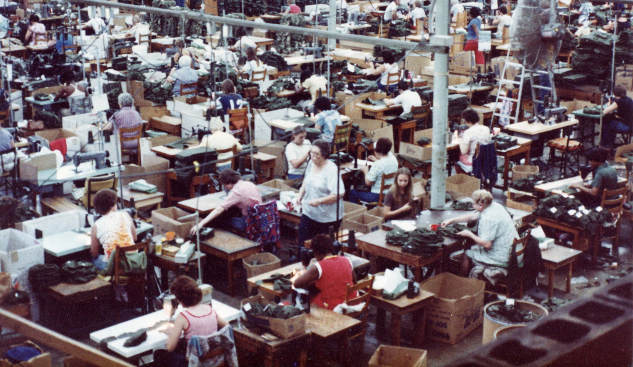
Peter Navarro has a Harvard Ph.D. in economics. Let that sink in. The same guy who helped launch a trade war with China by applying 19th-century thinking to a 21st-century economy was trained at one of the most prestigious institutions in the world. If that doesn't shake your faith in Ivy League credentials, it should. Because Navarro’s obsession with tariffs doesn’t just fail — it exposes how dangerously out of touch elite economic theory can be when it’s twisted into ideology.
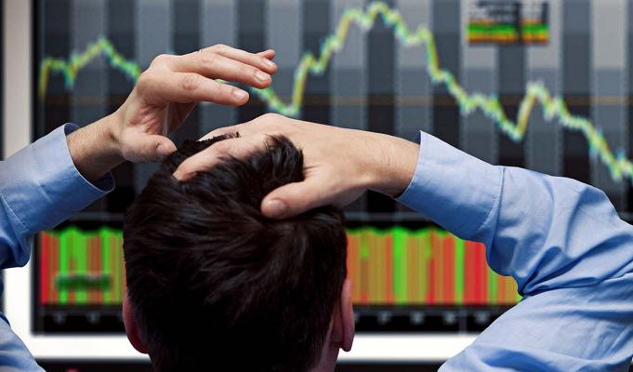
When people start voting with their wallets, politicians take notice—eventually. But what happens when the wallet isn’t just closed, it’s pointed in another direction? With mounting global frustration at U.S. policies, more citizens worldwide are turning their backs on American-made goods and bypassing those glossy vacation brochures. The results? Far more consequential than the media lets on.

Can your zip code predict your life expectancy? It might not be that simple, but a groundbreaking study says your bank balance might. Comparing older adults across the United States and Europe, researchers have found that wealth is not just a privilege—it’s a matter of life and death. And if you live in America, even being rich might not be enough to save you.
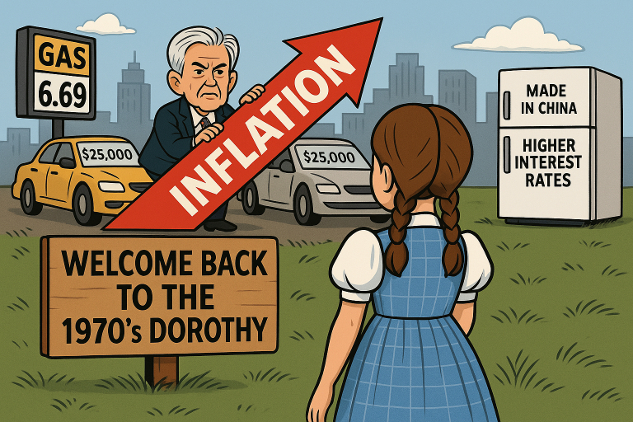
Remember the 1970s? Stagflation, gas lines, polyester leisure suits, and the unmistakable smell of economic dysfunction? Back then, it was foreign oil barons pulling the strings. This time, we’re not so lucky. The chaos isn’t coming from across the ocean — it’s being handcrafted in the Oval Office by the administration, thinking the best way to revive the economy is to drag it backward through a thicket of tariffs, trade wars, and broken supply chains. Welcome to 2025 — where inflation is rising, growth is shrinking, and yes, we’re doing it to ourselves.

Veterans are among the sickest patients in America, yet the VA treats them more cost-effectively than private healthcare. Now, Trump and Musk's sweeping VA budget cuts threaten to upend that system—leaving 900,000 disability claims backlogged, 40,000 vets homeless, and suicides on the rise.
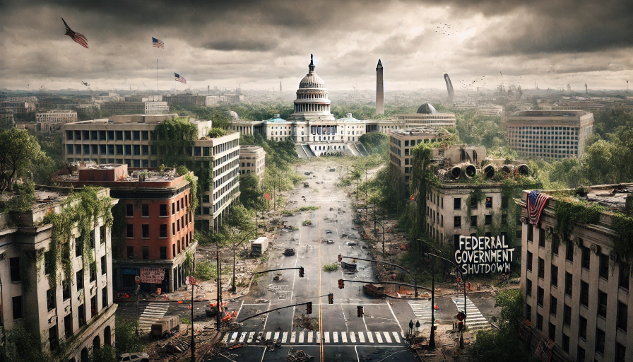
With the federal government pulls back on funding for disaster relief, healthcare, infrastructure, and law enforcement, states will scramble to fill the gap. But can they do it without raising taxes substantially? And if they do raise taxes, won’t the wealthy simply pack up and move to low-tax states, creating a bidding war for the lowest possible rates?

Trump’s economic policies are built on fantasy, and the price of those delusions will be paid by working Americans. While he distracts his supporters with talk of tariffs, tax cuts, and “bringing back” manufacturing, the real economic crisis is looming: climate-driven collapse. Instead of preparing for the challenges of the 21st century, he’s doubling down on a failed 1950s economic model. But there’s another way—a strategy that actually works. If I were king, we’d launch a WWII-style economic mobilization, one that actually makes America stronger instead of weaker.
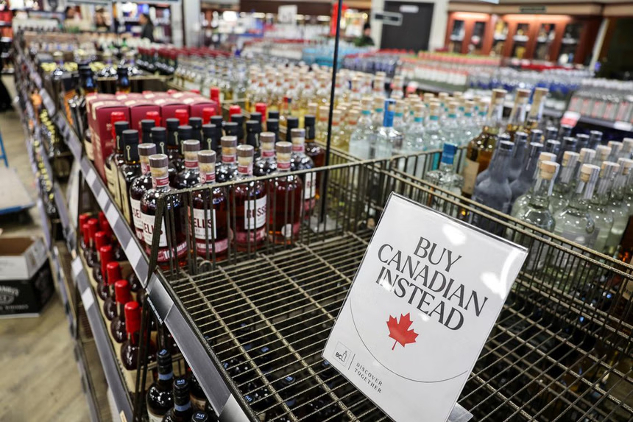
With growing concerns over American political influence and corporate monopolies, Canadians are considering an unusual but powerful form of protest: boycotting U.S. products. Could consumer choices be the key to pushing back against unchecked economic dominance?